The Glass of Water That Changed Everything
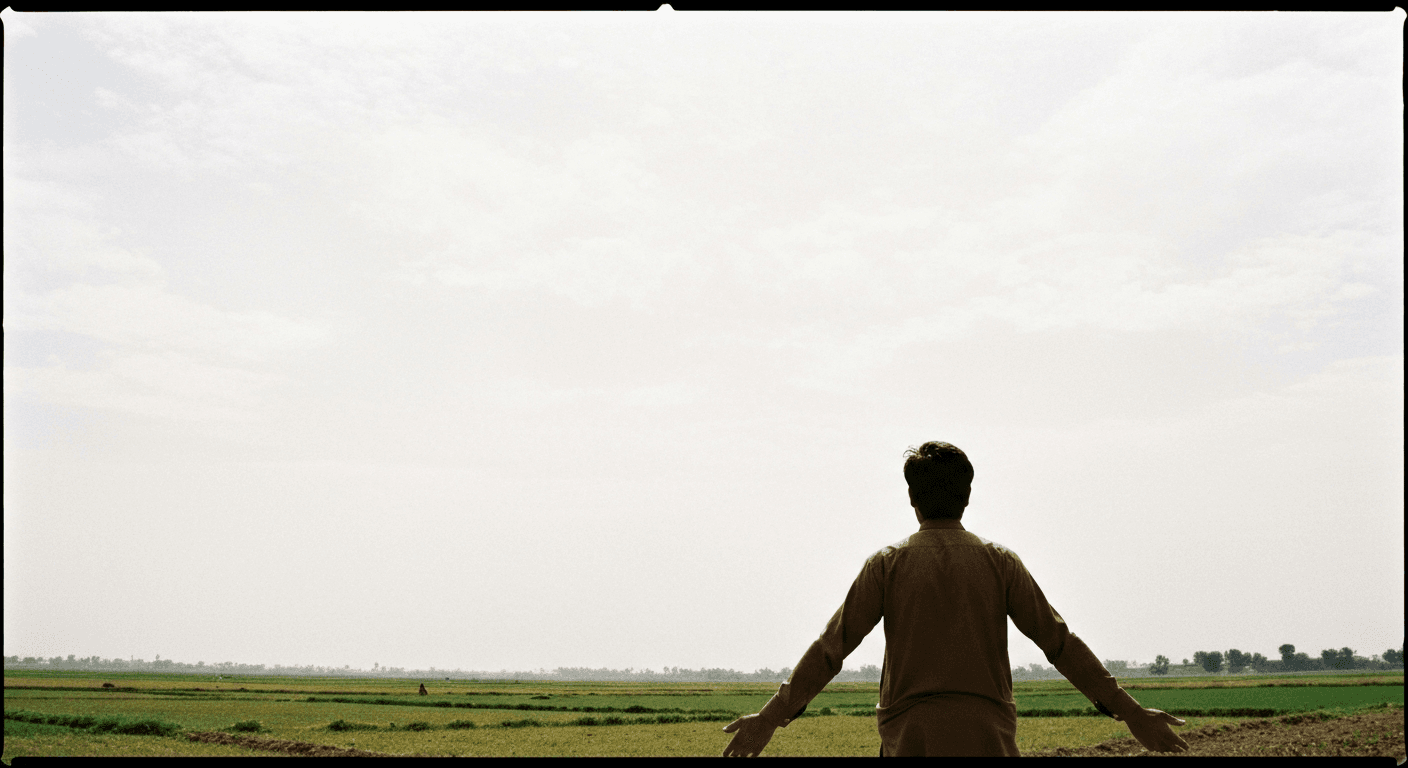
In June 2009, Asia Bibi was picking berries in the fields of Punjab, Pakistan. It was brutal heat. She drank water from a communal cup. Women nearby told her a Christian's lips had contaminated the water. An argument followed. Then an accusation: blasphemy against the Prophet Muhammad. Under Pakistan's blasphemy law, the punishment is death.
Asia Bibi was arrested. She was a mother of five. She was 38 years old.
Eight Years in a Cell
She was convicted and sentenced to death by hanging in November 2010. For over eight years she sat in solitary confinement, the only woman on Pakistan's death row for blasphemy. The cell was small. The heat was suffocating. Guards rotated regularly because her life was under constant threat.
During those years, she was given chances to walk free. All she had to do was renounce her faith and convert. She was offered it formally and informally, by officials and by fellow prisoners. Her answer never changed.
"I am a Christian, and I will remain a Christian."
Her husband Ashiq and her daughters campaigned for her release. Two politicians who publicly defended her were assassinated. Governor Salman Taseer was shot dead by his own bodyguard. Minorities Minister Shahbaz Bhatti was murdered. Supporting Asia Bibi cost lives.
The Verdict That Shook a Nation
On October 31, 2018, Pakistan's Supreme Court acquitted Asia Bibi. The chief justice wrote that the prosecution had failed to prove its case and that the accusers' testimonies were "riddled with contradictions." Protests erupted across Pakistan. Roads were blocked. Effigies were burned. Her life was still in danger even after the verdict.
She was smuggled out of Pakistan and given asylum in Canada, where she now lives quietly with her family.
What This Means for You
Asia Bibi's story strips everything back to one question: what would you hold onto if holding onto it could kill you? She had a clear exit. She could have said the words and gone home to her kids. She didn't. Not because she was stubborn. Because she knew the one she followed was worth more than the life they threatened to take. Most of us will never face that choice. But all of us will face smaller versions of it. And her answer still echoes: I am who I am. I won't pretend otherwise.
