A Sceptic in a Small Town
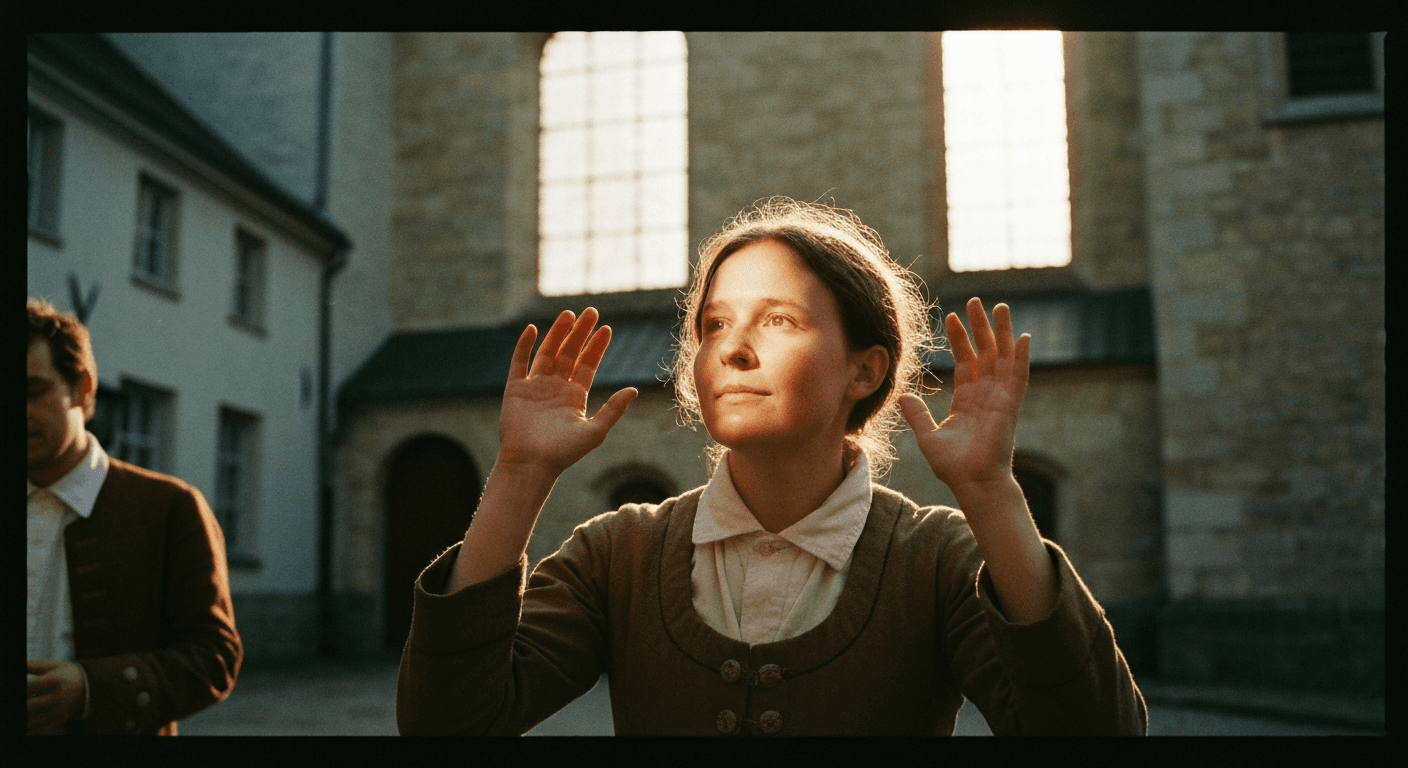
Charles Grandison Finney was a twenty-nine-year-old lawyer in Adams, New York, in October 1821. He was intelligent, argumentative, and thoroughly unimpressed by the Christianity he observed in his town. He attended church because his choir director asked him to sing, but he spent most services mentally picking apart the sermons.
Finney had been studying the Bible on his own — not out of devotion, but out of curiosity. His legal training made him approach the text the way he would approach a case: examining evidence, testing claims, looking for inconsistencies. What he found surprised him. The claims of Scripture, he realised, were either true or they were not. There was no comfortable middle ground.
The Walk Into the Woods
On the morning of October 10, 1821, Finney walked into the woods outside Adams. He had no plan to pray. He had no history of spiritual experience. He simply needed to settle the question that had been building in him for months: was this real, or was it not?
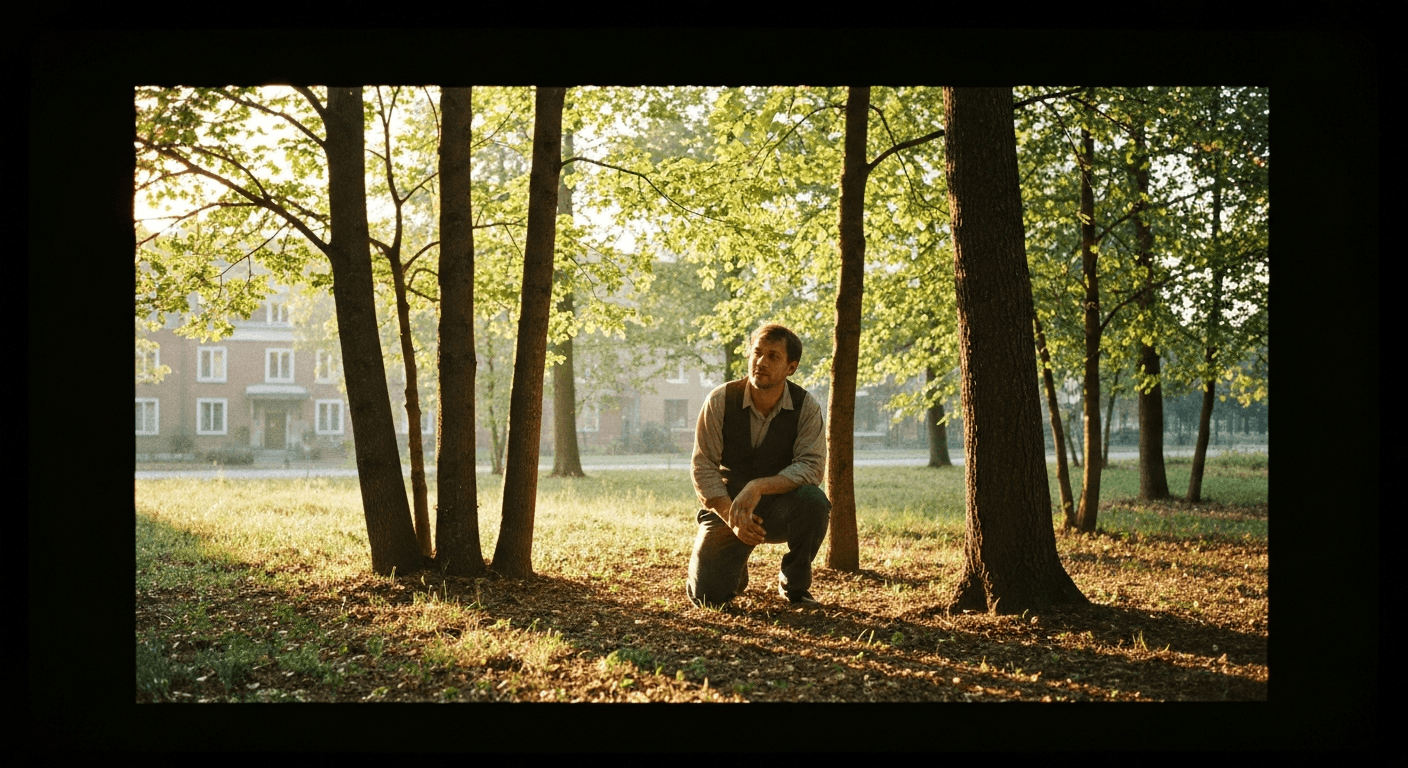
In a grove of trees, Finney knelt down. He described what happened next in clinical, lawyerly terms: an overwhelming sense of God's presence, a weight of conviction about his own pride and self-sufficiency, and then a breaking point where he surrendered everything. He wept openly — something entirely foreign to his temperament.
"I could feel the impression, like a wave of electricity, going through and through me," Finney wrote later. "Indeed it seemed to come in waves and waves of liquid love."
From the Woods to a Movement
Finney walked out of those woods a different man. Within days, he abandoned his law practice and began preaching. Over the next four decades, he became the most influential revivalist in American history. Historians estimate that more than five hundred thousand people came to faith through his ministry.
But it started in the trees. Alone. No audience. No platform. Just a sceptical lawyer kneeling in the dirt with nowhere left to hide.
What This Means for You
Finney's story is striking because he did not go to the woods looking for a spiritual experience. He went because he needed to think clearly, away from people and opinions. The woods gave him the silence to confront what he already knew but had been avoiding. If you have been circling a question you are afraid to answer, stepping outside — away from screens, noise, and the expectations of others — might be exactly what you need.