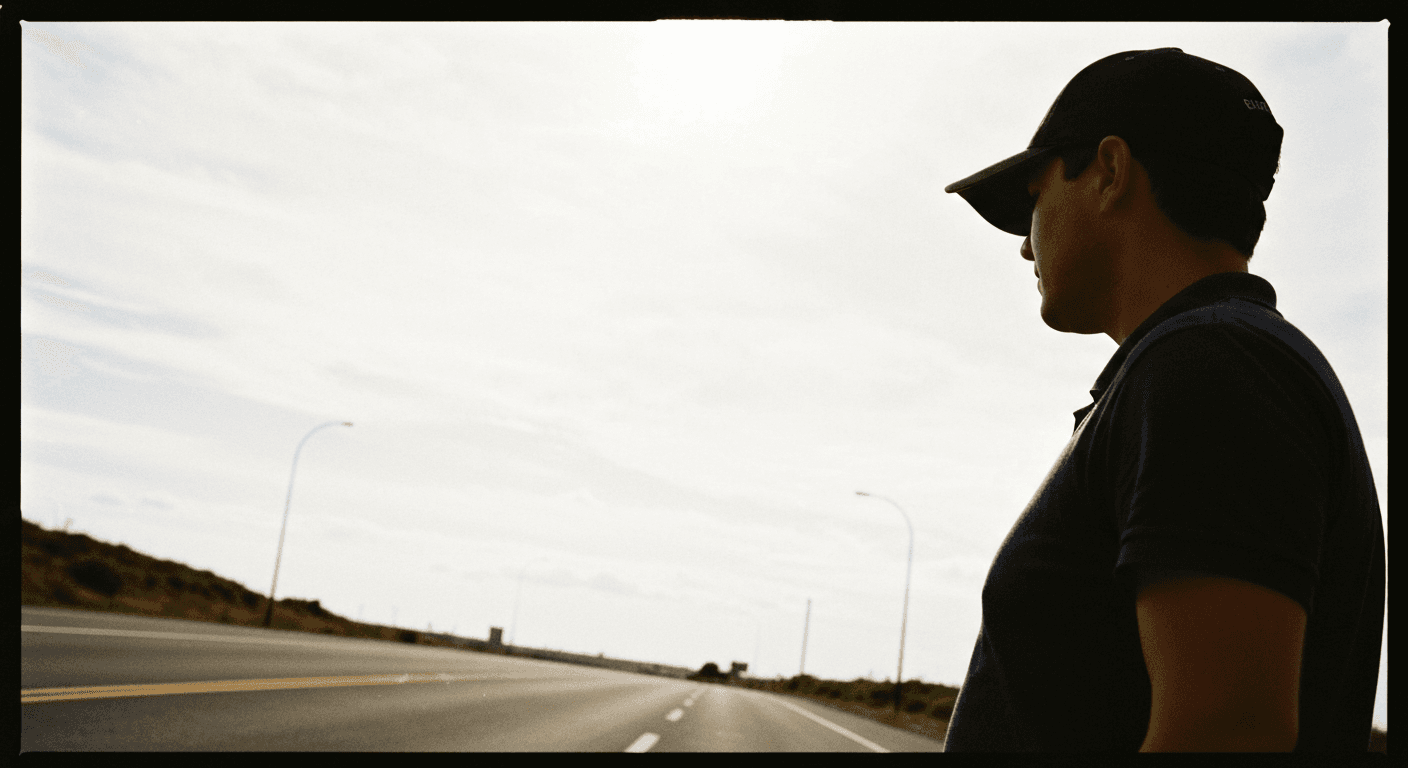
A Quiet Knee on the Grass
Joseph Kennedy was a high school football coach at Bremerton High School in Washington state. After every game, win or lose, he would walk to the 50-yard line, take a knee, and pray silently for about 30 seconds. He'd been doing it since 2008. Nobody forced anyone to join. Students who wanted to pray with him sometimes did. Those who didn't, didn't.
In 2015, the Bremerton School District told Coach Kennedy to stop. They said his visible prayer on school property violated the Establishment Clause, the constitutional separation of church and state. Kennedy offered to pray after the students had left, or in a different location. The district said no. Pray on your own time, away from the field, or face consequences.
He knelt anyway. They fired him.
Seven Years
What followed was a seven-year legal battle that most people would have abandoned. Kennedy lost his job, his income, and his reputation in the community. Some former colleagues turned against him. His case was rejected by lower courts. Twice.
"I just wanted to give thanks," Kennedy said. "I wasn't preaching. I wasn't forcing anyone to do anything. I was talking to God."
He and his wife lived in difficult financial circumstances while the case wound its way through the appeals process. Friends from his church and community supported them, but the road was long and uncertain.
The Highest Court
On June 27, 2022, the United States Supreme Court ruled 6-3 in Kennedy v. Bremerton School District that Coach Kennedy's prayer was protected speech under the First Amendment. Justice Neil Gorsuch, writing for the majority, stated that the Constitution "neither mandates nor permits the government to suppress such religious expression."
Coach Kennedy got his job back. He returned to the field. And yes, he knelt again.
What This Means for You
Seven years is a long time to fight for 30 seconds of prayer. Most people would have moved on. Found another job. Let it go. Kennedy didn't, not because he was stubborn, but because he believed something true was worth defending even when it was inconvenient and expensive. If you've ever felt pressure to hide your faith in a public space, to keep it private, to save it for Sunday, Kennedy's story is a reminder that quiet faithfulness is still faithfulness. And sometimes it changes the law.
