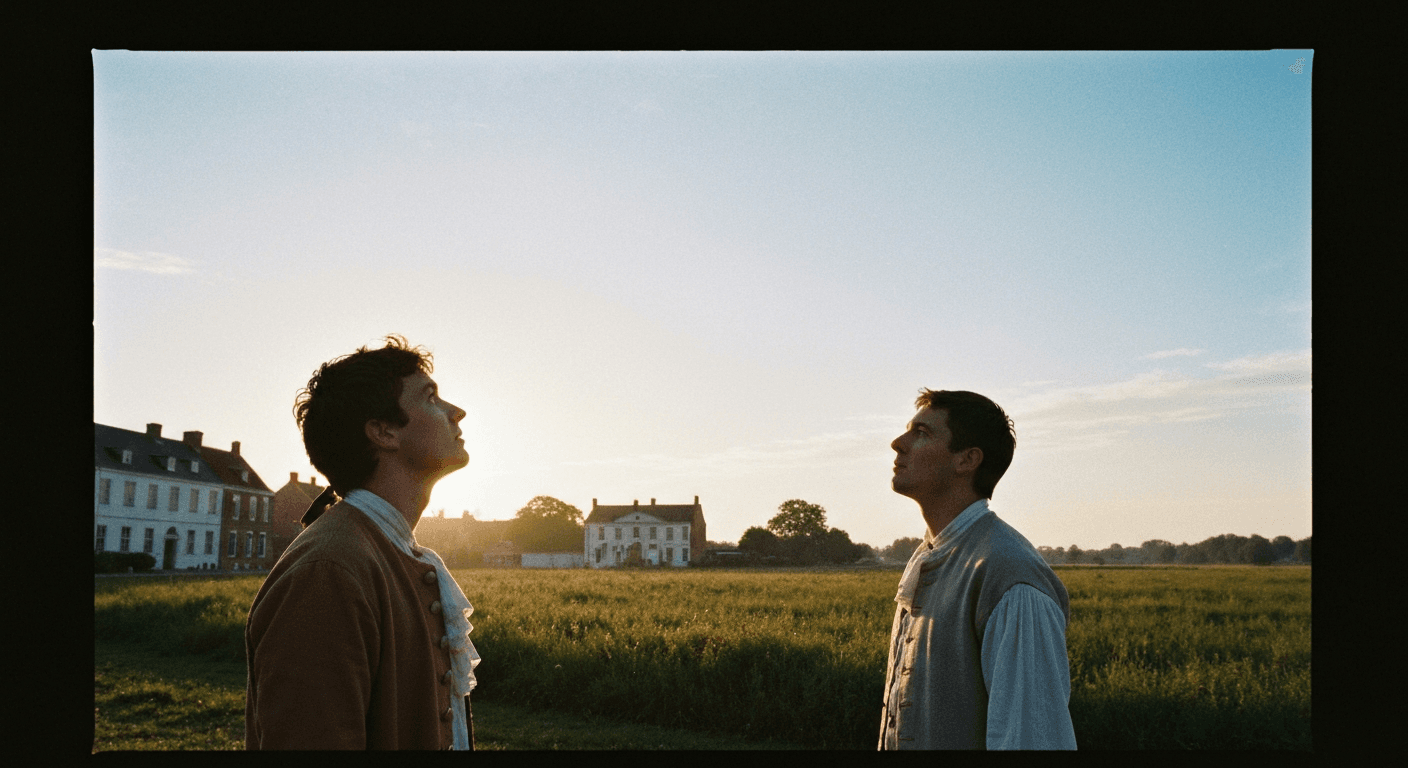
A Nobleman's Calling
Born into nobility on May 26, 1700, in Dresden, Saxony, Count Nikolaus Ludwig von Zinzendorf seemed destined for a life of statecraft. Yet, his life took a transformative turn when he encountered Domenico Feti's painting 'Ecce Homo.' Captivated by the words inscribed below, 'I have done this for you; what have you done for me?' Zinzendorf felt a profound call to dedicate his life to Christ.
Herrnhut and the Holy Spirit
In 1722, seeking to live out this commitment, he offered refuge to Moravian Christians fleeing persecution, allowing them to establish a community named Herrnhut on his estate. Initially marked by discord, the community experienced a remarkable outpouring of the Holy Spirit during a communion service on August 13, 1727. This divine intervention united them and ignited a passion for prayer, leading to a continuous prayer vigil that lasted over a century.
Pioneer Missionaries
Under Zinzendorf's leadership, the Moravians became pioneers of missionary work. In 1732, they sent their first missionaries to the Danish West Indies, starting a movement that would reach far corners of the world. Zinzendorf's words echoed this mission: 'Every heart with Christ is a missionary, every heart without Christ is a mission field.'
A Legacy of Community
His life's work was not without personal cost. He faced banishment from Saxony in 1736, yet he continued his mission, even founding a settlement in Bethlehem, Pennsylvania, in 1741. Through his commitment, Zinzendorf exemplified the belief that 'there can be no Christianity without community,' and his legacy inspired countless others, including John Wesley. Count Zinzendorf's life stands as a testament to the power of surrender to Christ. His story is not just of personal transformation but of a movement that changed the world. It is a reminder that Jesus, through the lives of His followers, can bring unity, purpose, and hope to the world.