David Brainerd was a young man desperately seeking peace with God. Like Martin Luther before him, he tried everything - fasting, prayer, whole days set apart for seeking God. But assurance eluded him. By February 1739, he was setting aside entire days of secret fasting and almost incessant prayer, striving for acceptance with God.
Spiritual Desperation Reaches Breaking Point
On Friday morning in early July 1739, while walking in a solitary place, Brainerd suddenly felt "unusually lost and at the greatest stand." All his efforts, all his schemes for achieving salvation, came to nothing. From Friday through Sunday evening, he experienced intense spiritual agony.
Vision of God's Glory
Then on July 12, 1739, as he walked again in that same solitary place, everything changed.
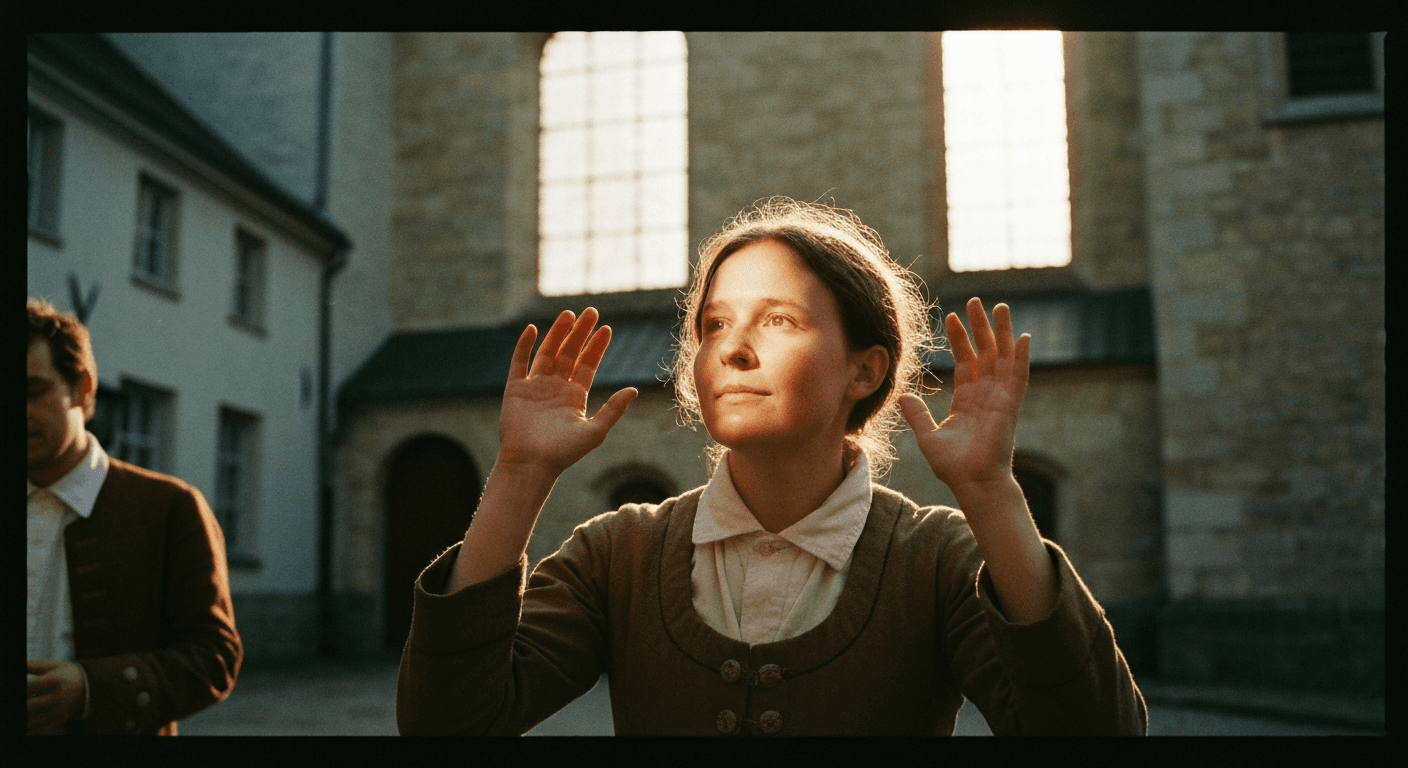
"I was walking in a dark thick grove," Brainerd wrote in his diary, "unspeakable glory seemed to open to the view and apprehension of my soul. I stood still, wondered, and admired!"
"I knew that I never had seen before any thing comparable to it for excellency and beauty; it was widely different from all the conceptions that ever I had of God, or things divine."
The vision was not of any particular person of the Trinity, but of divine glory itself. "My soul rejoiced with joy unspeakable, to see such a God, such a glorious divine Being; and I was inwardly pleased and satisfied, that he should be God over all for ever and ever. My soul was so captivated and delighted with the excellency, loveliness, greatness, and other perfections of God, that I was even swallowed up in him."
Missionary Calling Born
This experience launched Brainerd's short but profoundly influential missionary career among the Native Americans. Though he died of tuberculosis at just 29, his diary, published by Jonathan Edwards, has inspired countless missionaries - including William Carey and Jim Elliot - to give their lives for the gospel.