Early Life and Divine Calling
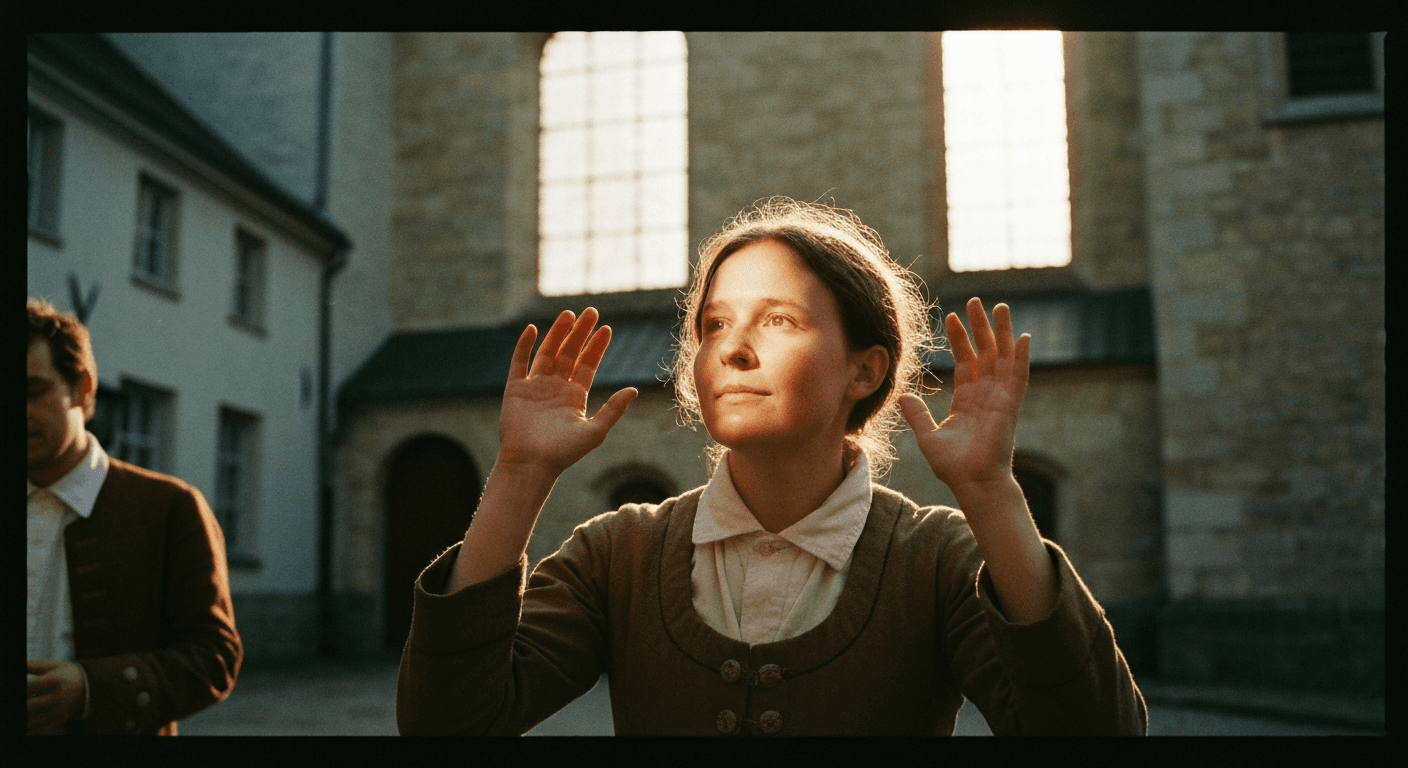
Born on March 19, 1813, in Blantyre, Scotland, David Livingstone's early life was marked by hardship and perseverance. By age 10, he worked 14-hour days in a cotton mill, yet his thirst for knowledge was unquenchable. He used his first wages to buy a Latin grammar, studying at night to learn Latin, Greek, and Hebrew. Around the age of 12, Livingstone experienced a profound conversion, feeling deeply convicted of his sins. This transformation set him on a path of devotion to Christ and a life dedicated to alleviating human suffering.
Missionary Testimony Africa Begins
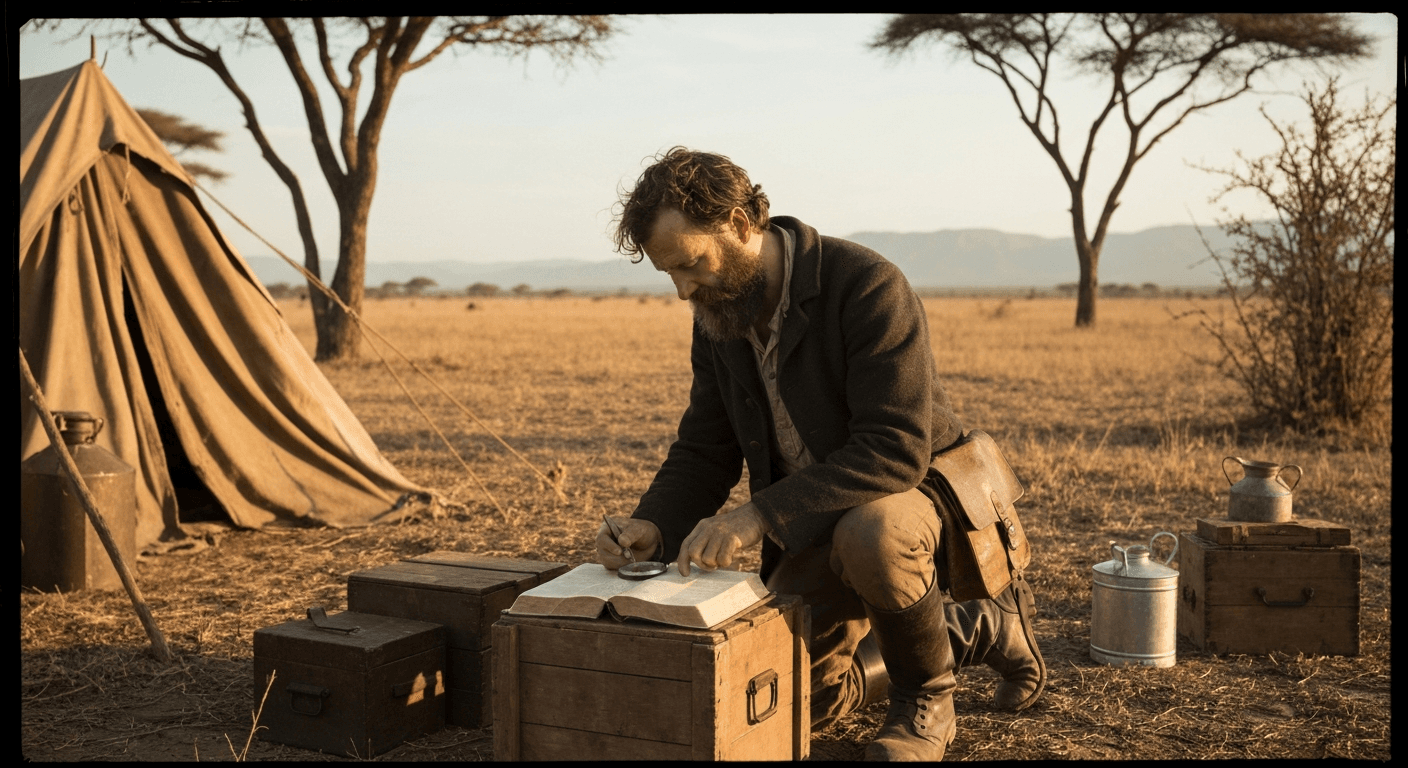
Driven by a desire to serve, Livingstone joined the London Missionary Society and was ordained in 1840. He arrived in Cape Town, South Africa, on March 14, 1841, ready to spread the Gospel. His journey was fraught with challenges, including a lion attack in 1844 that left his left arm permanently injured. Yet, Livingstone's faith remained unshaken. He declared, "I will place no value on anything I have or may possess, except in relation to the kingdom of Christ."
Faith Through Suffering Testimony
Livingstone's missionary work among the Bakwena people is a testament to his dedication. He was instrumental in converting Chief Sechele in 1849, though the chief later lapsed. Despite hardships, Livingstone's passion for Africa's people and his unwavering reliance on God's promises sustained him. "God, send me anywhere, only go with me. Lay any burden on me, only sustain me," he prayed.
Transformative Legacy of Service
His explorations were equally transformative. As the first European to witness Victoria Falls in 1855 and explore the Zambezi River, Livingstone opened paths into Africa's interior. His commitment to ending the slave trade and uplifting African societies through "Christianity, Commerce, and Civilization" left a lasting legacy.
Livingstone's life was a testament to his belief that "the salvation of men ought to be the chief desire and aim of every Christian." He passed away on May 1, 1873, in Chitambo (now Zambia), found kneeling in prayer. His heart was buried in Africa, a symbol of his enduring love for the continent and its people. Through his life and work, Jesus' transformative power and love were made evident, inspiring generations to follow his example.