Debbie Sue was living a normal life in Tennessee when the symptoms started. The kind of symptoms that women often brush aside — bloating, pelvic discomfort, fatigue. The kind that get attributed to stress or diet or just getting older. By the time she saw a doctor, the cancer had already advanced.
Stage 4 ovarian cancer.
The Diagnosis
Stage 4. The most advanced stage. The stage where the cancer has spread beyond the original site. The stage where doctors start having conversations about management rather than cure. The stage where the statistics are the ones nobody wants to read.
Ovarian cancer at stage 4 means the disease has likely spread to the abdomen, possibly to the liver, possibly further. The five-year survival rate for stage 4 ovarian cancer is significantly lower than earlier stages. Debbie Sue's doctors were honest about what she was facing.
The treatment plan was laid out. It would be aggressive, because it had to be. Surgery. Chemotherapy. The full arsenal. But even with all of that, the doctors were measured in their optimism. This was advanced cancer. Hope was allowed, but expectations needed to be realistic.
The Church
Debbie Sue's church in Tennessee heard the news and responded with the one thing they knew how to do better than anything else: pray.
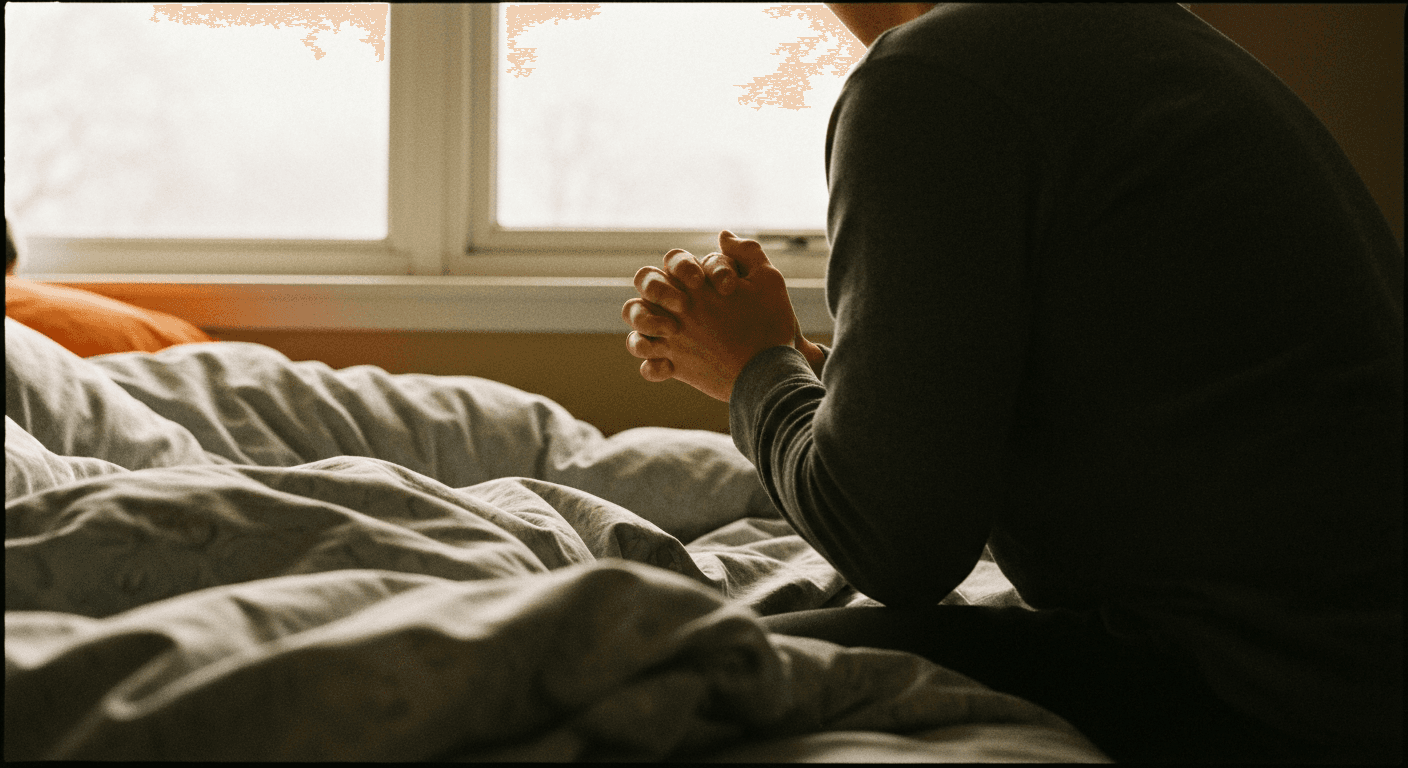
This was not casual prayer. This was not a quick mention during Sunday announcements. This was intensive, sustained, organised intercession. Prayer groups formed. Prayer chains activated. People who had never prayed together before found themselves on their knees side by side, bringing Debbie Sue's name before God with an urgency that matched the severity of her diagnosis.
The church would not let go. That is the only way to describe it. Like Jacob wrestling the angel — they held on and said, "We will not let go until you bless her." They prayed before treatment sessions. They prayed during them. They prayed after. They prayed in the middle of the night. They prayed when they were tired. They prayed when it felt like nothing was happening.
They just would not stop.
The Treatment
Debbie Sue went through the medical treatment. Surgery. Chemotherapy. The physical cost was immense. Anyone who has watched someone go through cancer treatment knows the toll — the weight loss, the exhaustion, the nausea, the days when getting out of bed feels like climbing a mountain.
Through all of it, Debbie Sue was carried. Not just by medicine. By her church. By people who showed up with meals, with rides to the hospital, with cards, with texts that said nothing more than "We are praying right now." The kind of practical, hands-on love that turns a faith community into a lifeline.
The Scans
When the follow-up scans came back, the doctors saw something they did not expect.
Remarkable improvement. Not the modest, incremental progress that aggressive treatment sometimes achieves in stage 4 cancer. Dramatic improvement. The kind of results that make oncologists pull up a chair and look at the images again. The kind that prompt a second opinion not because there is a problem, but because the news seems too good.
The cancer that had been advanced, that had spread, that had prompted conversations about management rather than cure — was responding in a way that exceeded medical expectations.
What the Church Did
Debbie Sue's church did not just pray for her. They carried her. They were the body of Christ doing what the body of Christ is supposed to do — bearing one another's burdens, showing up when it is inconvenient, refusing to abandon someone in their darkest hour.
They prayed when it was easy and when it was hard. They prayed when there was good news and when there was bad news. They prayed when the scans improved and they prayed during the weeks when things were uncertain. The consistency was the point. Not the intensity of a single moment, but the persistence of showing up day after day after day.
What This Means for You
If you are facing advanced cancer — stage 4, poor prognosis, statistics that feel like a sentence — Debbie Sue's story says: do not underestimate what a praying community can do.
Find your church. Let them know what you are facing. Let them pray. Let them show up. Let them carry you when you cannot carry yourself.
And if you are part of a church and someone in your community has cancer — do what Debbie Sue's church did. Do not let go. Pray intensively. Pray persistently. Pray stubbornly. Be the kind of community that holds on until the blessing comes.
The scans showed remarkable improvement. The church showed remarkable faithfulness. And the God who heard every prayer showed that He is still in the business of dramatic healing.