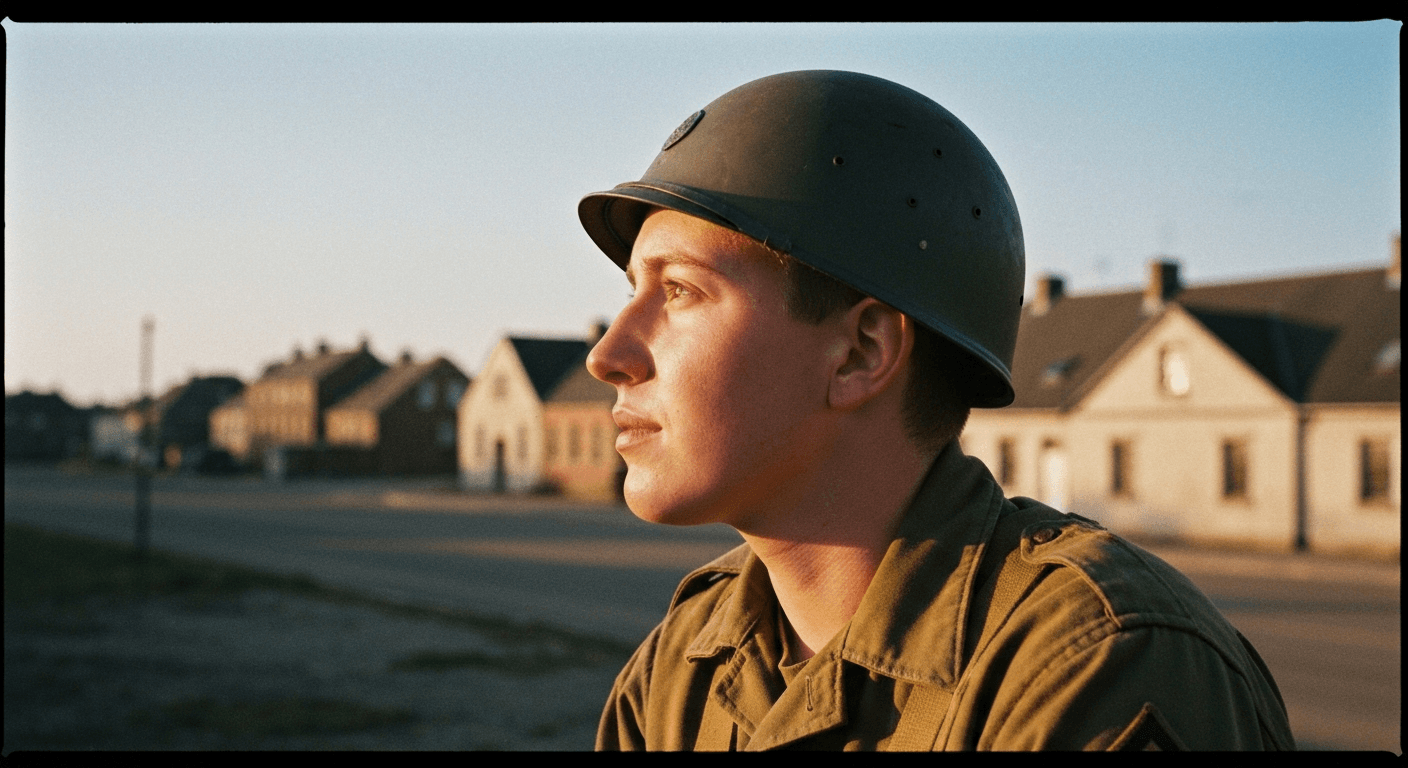
The Man They Called a Coward
Desmond Doss enlisted in the US Army in 1942 as a conscientious objector. He refused to carry a weapon or kill anyone. He wanted to serve as a medic.
His fellow soldiers hated him for it. They called him a coward. They threw boots at him while he slept. They tried to get him discharged on mental health grounds. His commanding officer assigned him the hardest duties hoping he would quit.
Doss did not quit.
Hacksaw Ridge
On May 5, 1945, Doss's unit was ordered to take the Maeda Escarpment on Okinawa -- a 120-metre cliff face the Americans called Hacksaw Ridge. The Japanese defended it with everything they had. The assault was a catastrophe. American soldiers were cut down by the dozens.
When the order came to retreat, the surviving soldiers rappelled down the cliff. But Doss stayed on top. Alone. With no weapon. Under continuous enemy fire.
For 12 hours, he crawled across the battlefield finding wounded men, dragging them to the cliff edge, and lowering them down on a rope. Each time he found another soldier, he prayed: "Lord, help me get one more."
He saved 75 men that day. Seventy-five soldiers who would have died on that ridge went home to their families because one man without a gun refused to leave them behind.
What He Carried Instead
Doss received the Medal of Honor -- the first conscientious objector in American history to do so. When asked how he found the courage, he said it was simple: "I was praying the whole time."
He did not see contradiction between faith and military service. He saw contradiction between faith and inaction. His conscience would not let him take a life, but it also would not let him leave a wounded man to die.
What This Means for You
Courage does not require a weapon. Doss proved that the most powerful act of service can come from someone who refuses to fight. Your convictions are not weaknesses. They may be the exact thing God uses to save the people around you.
