Early Life Under Apartheid's Oppression
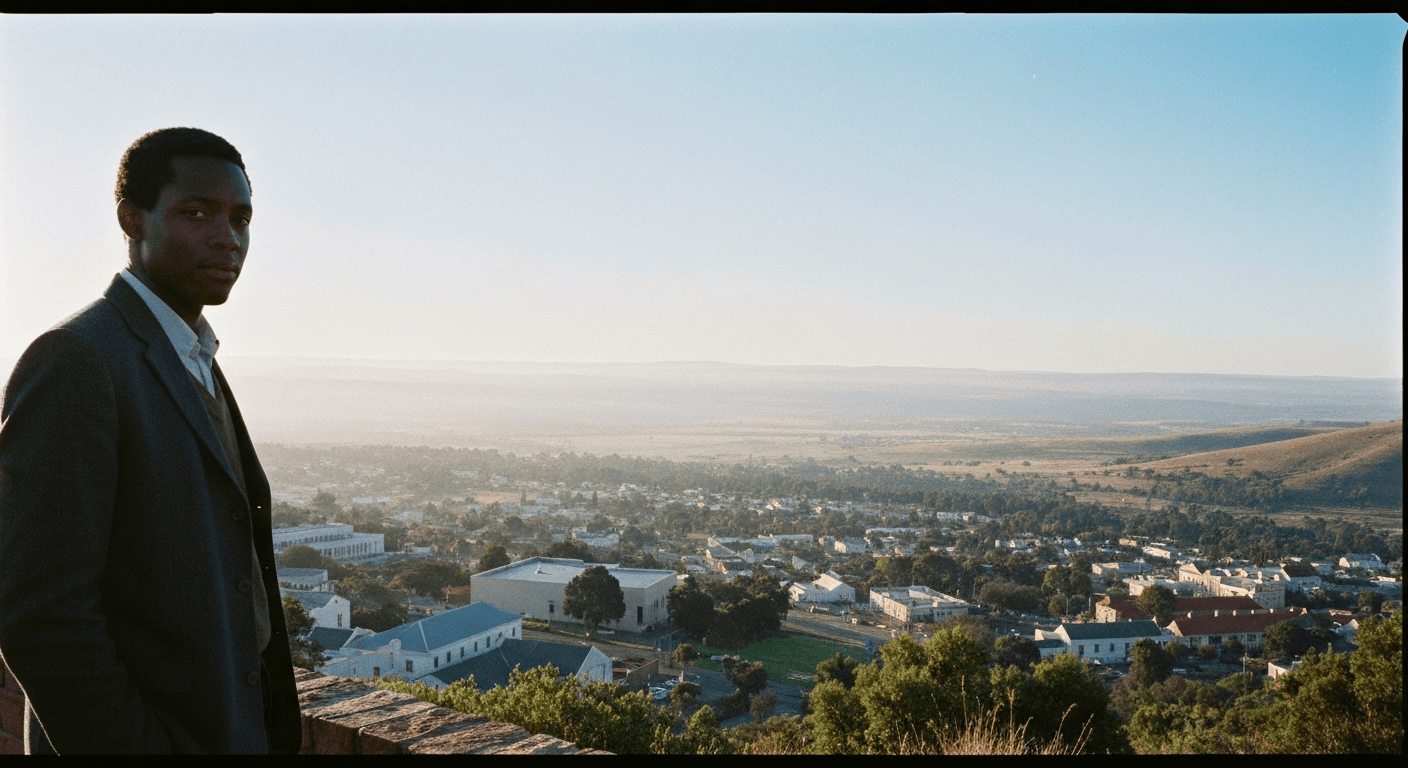
Born into a world of oppression on October 7, 1931, in Klerksdorp, South Africa, Desmond Tutu's early life was steeped in the harsh realities of apartheid. Despite these challenges, Tutu's journey was marked by a profound faith that propelled him from the dusty streets of Transvaal to global recognition as a champion for justice and reconciliation. Initially trained as a teacher, Tutu took a stand against the discriminatory Bantu Education Act by resigning from his post in 1953. This act of defiance marked a pivotal shift in his life, steering him towards the ministry. Ordained as an Anglican deacon in 1960, Tutu's faith became the cornerstone of his mission to combat injustice.
Christian Response to Apartheid
As the General-Secretary of the South African Council of Churches from 1978 to 1985, Tutu's voice resonated with a call for non-violent resistance against apartheid. He often said, 'If you are neutral in situations of injustice, you have chosen the side of the oppressor.' His dedication to peace and reconciliation was recognized in 1984 when he was awarded the Nobel Peace Prize, highlighting his unwavering belief that 'there is no future without forgiveness.'
God's Justice Against Oppression
Tutu's faith in God's justice was evident when he chaired the Truth and Reconciliation Commission from 1996 to 1998. He believed that true reconciliation required exposing the 'awfulness, the abuse, the pain, the hurt, the truth.' Through this process, Tutu showcased his conviction that God was on the side of the oppressed and that healing was possible through divine grace.
Legacy of Faith and Forgiveness
Desmond Tutu's journey from a young boy in apartheid South Africa to an international symbol of peace and reconciliation was fueled by his deep faith and belief in a God who does not abandon anyone. He often reminded the world, 'God does not give up on anyone, for God loved us from all eternity.' His legacy is a testament to the power of faith and the enduring hope for a just world.