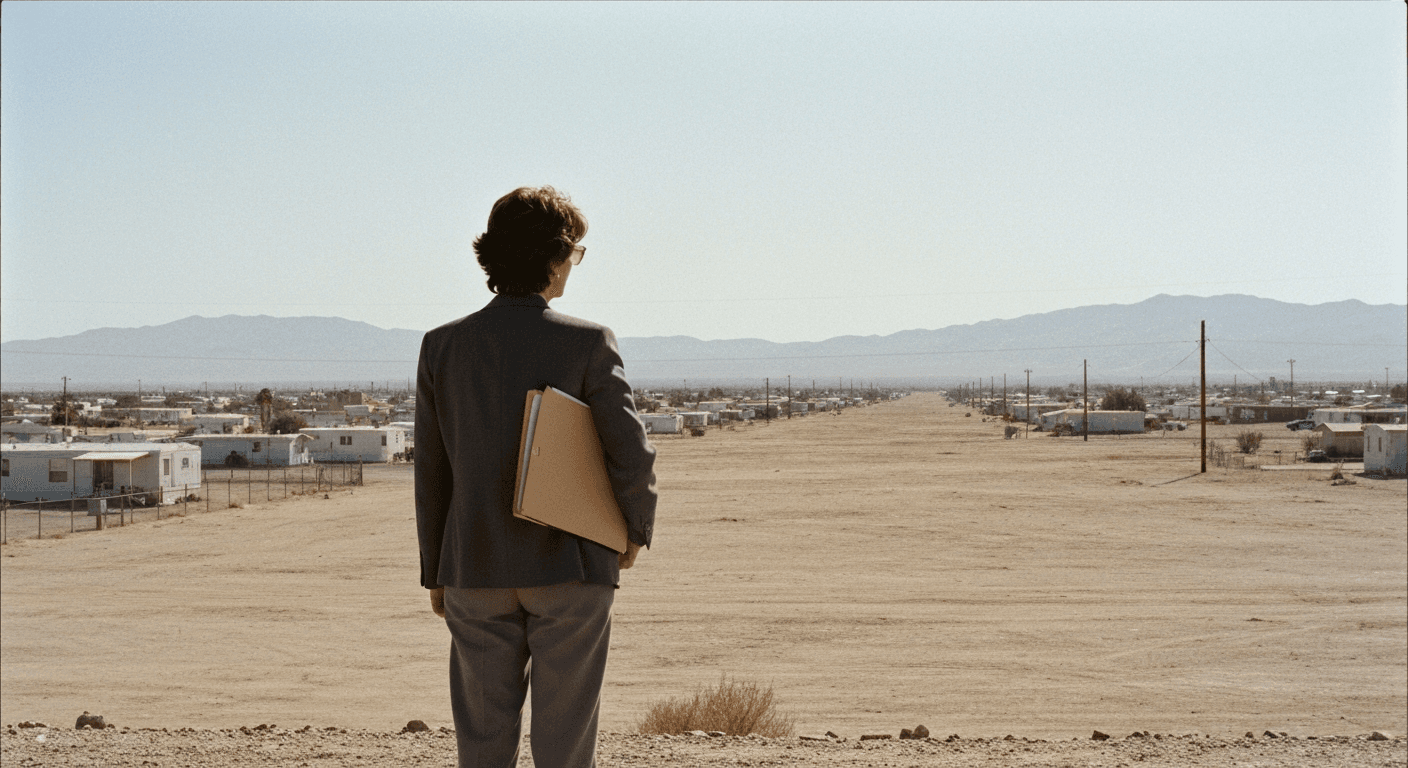
Erin Brockovich had no legal degree, no investigative training, and no money. What she had was a filing clerk job at a small law firm in Southern California and a stubborn refusal to stop asking questions. In 1993, while organising property files for a real estate case, she noticed medical records mixed in with the documents. They shouldn't have been there. She started reading.
Following the Water
The records led her to Hinkley, California — a small desert community where Pacific Gas & Electric operated a compressor station. PG&E had been using hexavalent chromium, a carcinogen, as an anti-corrosion agent. The chemical had been leaking into the groundwater for decades. Residents were developing cancers, tumours, and immune system failures at rates far beyond normal.
Brockovich went door to door in Hinkley. She talked to families. She collected stories, medical records, water tests. She built a case file that no one had asked her to build. The attorneys at her firm initially dismissed the work. Then they read what she had found.
The Largest Direct-Action Settlement in U.S. History
In 1996, PG&E settled the case for $333 million — the largest direct-action lawsuit settlement in American history at the time. More than 600 Hinkley residents received compensation. PG&E was forced to clean up the contamination.
The case made Brockovich famous — a major film bearing her name was released in 2000 — but the more important legacy is structural. After Hinkley, environmental contamination lawsuits across the country gained credibility. Communities that had been told their health complaints were imaginary now had a precedent.
What This Means for You
Brockovich wasn't qualified for what she did. She didn't have credentials. She had proximity and stubbornness. Sometimes justice doesn't arrive through the expected channels. It arrives through the person who notices the medical records in the wrong file and won't let it go.