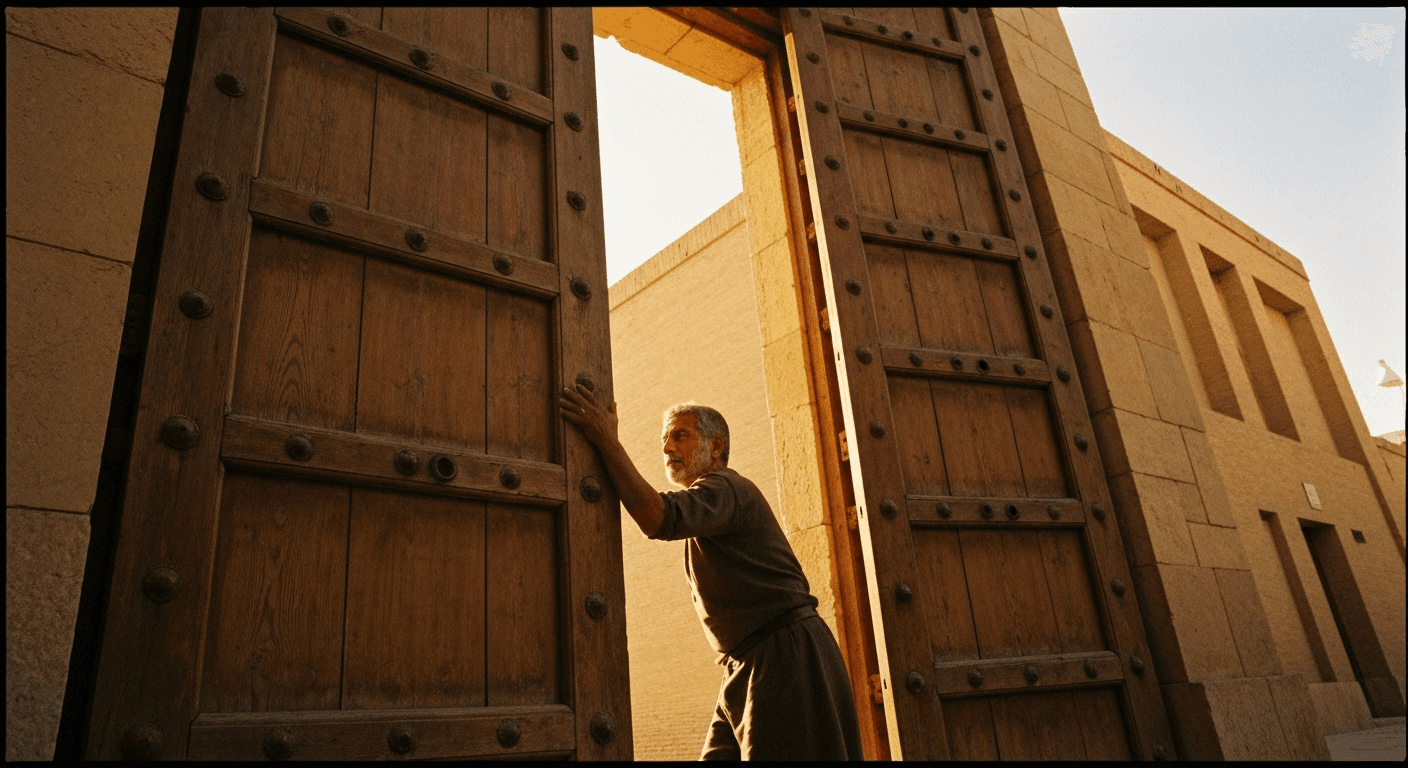
An Impossible Position
The story of Esther is one of the most dramatic accounts of fasting in ancient history. A young Jewish woman, elevated to queen of the Persian Empire, discovered that a decree had been issued to annihilate her entire people. The man behind it — Haman, a powerful court official — had manipulated King Xerxes into signing the order.
Esther's cousin Mordecai sent word urging her to intervene. The problem was stark: anyone who approached the king without being summoned could be executed. Even the queen. Esther had not been called to the king's presence in thirty days.
The Fast
Before acting, Esther sent a message back to Mordecai: "Go, gather all the Jews who are present in Susa, and fast for me. Do not eat or drink for three days, night or day. I and my attendants will fast likewise. Then I will go to the king, though it is against the law. And if I perish, I perish."
This was not a casual spiritual exercise. This was a community-wide fast in the face of genocide — an entire people pressing in together before one woman walked into the most dangerous room in the empire.
What Happened
After three days of fasting, Esther approached the king. He extended his sceptre — sparing her life. Over two carefully planned banquets, she exposed Haman's plot. The decree was reversed. Haman was executed. The Jewish people survived.
Historians and theologians have debated the details for millennia, but the sequence is clear: communal fasting preceded the courage, and the courage preceded the deliverance.
What This Means for You
Esther's fast didn't remove the danger. She still had to walk into that room. But the fast gave her something — resolve, clarity, spiritual backing — that she didn't have before. When you're facing a situation that feels impossible, fasting doesn't guarantee the outcome. But it can give you the courage to take the step.