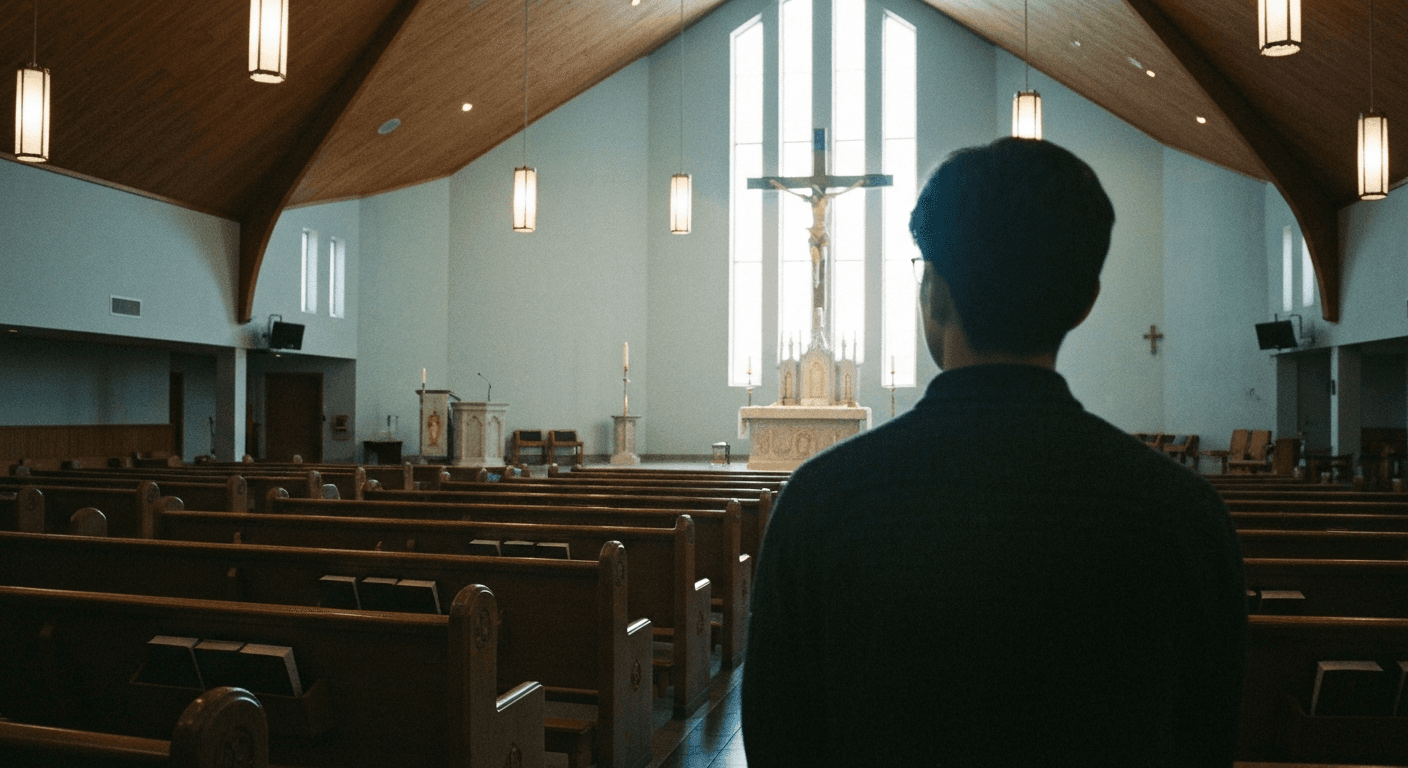
A Beacon of Hope in Dark Times
During the turbulent 1980s in South Africa, a period marked by intense struggle against the apartheid regime, Archbishop Desmond Tutu emerged as a beacon of hope and moral clarity. As the General Secretary of the South African Council of Churches, Tutu was not just a religious leader but a pivotal figure in the global condemnation of apartheid. He believed deeply that the fight for equality was not only a political mandate but a divine calling.
Demanding the Full Menu of Human Rights
In his own words, Tutu declared, "I am not interested in picking up crumbs of compassion thrown from the table of someone who considers himself my master. I want the full menu of human rights." His stance was clear: apartheid was a crime against humanity, and he was determined to fight it with every ounce of his being. Tutu's leadership transformed the Council into a powerful voice against the regime, drawing global attention to the plight of millions of South Africans.
Amidst this struggle, the formation of the United Democratic Front (UDF) in 1983 was a significant milestone. Allan Boesak, a prominent figure in the movement, articulated a vision of unity and resistance that transcended race. "We are doing what we are doing because it is right," Boesak affirmed, underscoring the moral imperative behind the fight. This coalition of diverse groups stood as a testament to the power of collective action grounded in a shared belief in justice.
Meanwhile, Beyers Naudé, once a respected clergyman within the Afrikaner community, underwent a profound transformation after the Sharpeville massacre in 1960. Rejecting apartheid on biblical grounds, he faced ostracism and persecution. Yet, his faith and conviction only grew stronger, as he dedicated his life to the anti-apartheid cause, founding the Christian Institute and later serving as the General Secretary of the South African Council of Churches.
The struggle was not without its perils. Frank Chikane, a leader in the Black Consciousness Movement, survived an assassination attempt by the apartheid government. Despite such dangers, his resolve never wavered as he led the Council through some of its most challenging years, promoting the Kairos Document's prophetic call for justice.
Through their unwavering faith and courage, these leaders demonstrated the profound impact of spiritual conviction in the face of systemic oppression. Their legacy continues to inspire generations, proving that even in the darkest times, the light of hope and justice can prevail.
