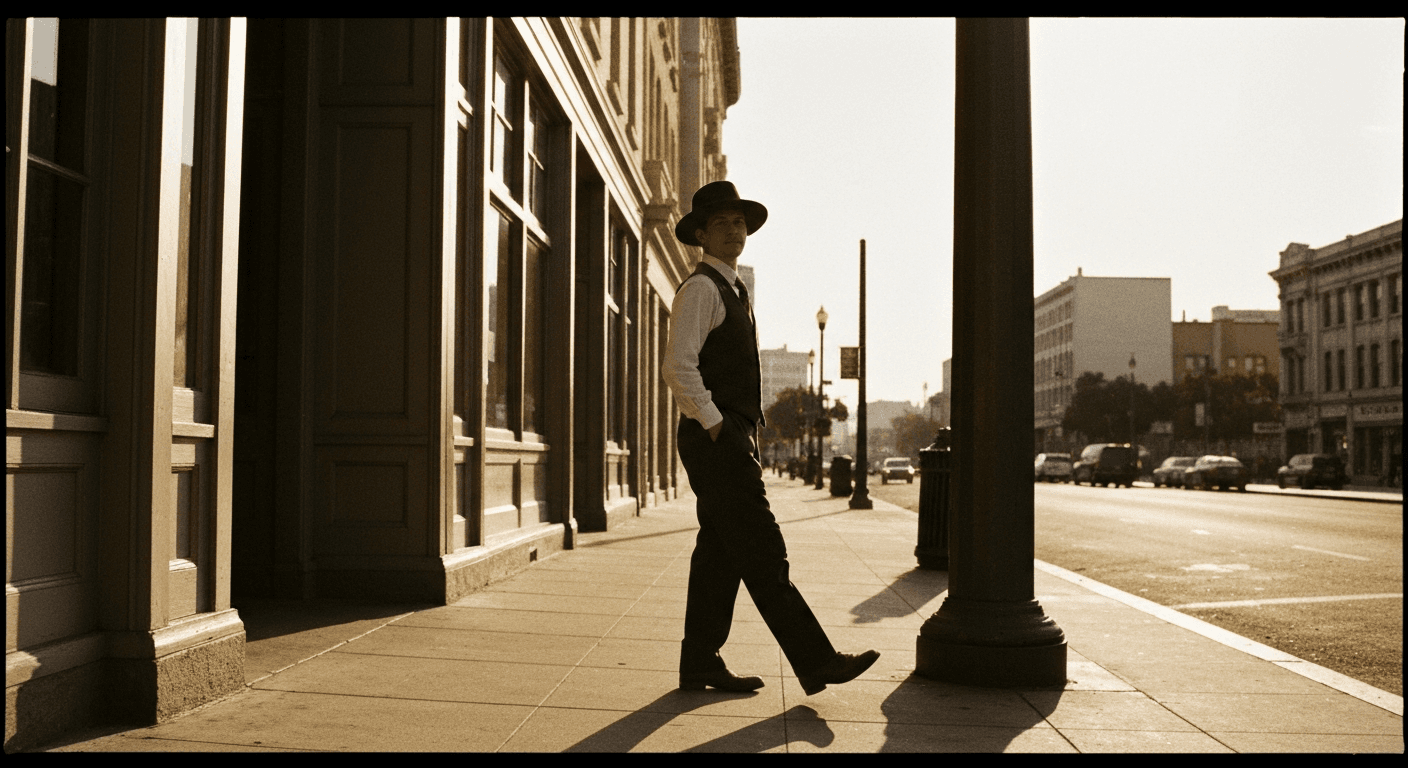
A Hunger for Truth
William Seymour, born on May 2, 1870, in Centerville, Louisiana, grew up in a world marked by racial discrimination and poverty. Despite these challenges, he developed a deep hunger for spiritual truth and transformation. By 1906, Seymour had embraced the idea that speaking in tongues was a sign of receiving the Holy Spirit. This belief led him to Los Angeles, where he faced rejection from a local church due to his teachings.
The Outpouring
Undeterred, Seymour began holding meetings in homes, including the Asberry home on Bonnie Brae Street. On April 9, 1906, something extraordinary happened. As they gathered, a mighty outpouring of the Holy Spirit occurred, with several attendees, including Jennie Evans Moore, speaking in tongues. This event mirrored the biblical account of Pentecost, with the house filled with a sense of divine presence.
A Global Movement
The growing crowds prompted a move to 312 Azusa Street, where a former church building became the heart of the revival. Services ran continuously, day and night, drawing people from all walks of life. Here, they encountered God in profound ways, experiencing healing and newfound spiritual gifts. Seymour's vision of racial reconciliation took shape as people of different races worshiped together, breaking down societal barriers.
The revival was not without its critics, facing skepticism and opposition from both secular media and religious leaders. However, the passion for Jesus and the unity displayed at Azusa Street left an indelible mark. Seymour himself urged attendees to focus on Jesus rather than just the miraculous signs.
An Indelible Mark
The Azusa Street Revival became a pivotal moment in Christian history, spreading the message of Pentecostalism across the globe. It demonstrated the transformative power of prayer and the Holy Spirit, igniting a movement that continues to impact lives to this day.
