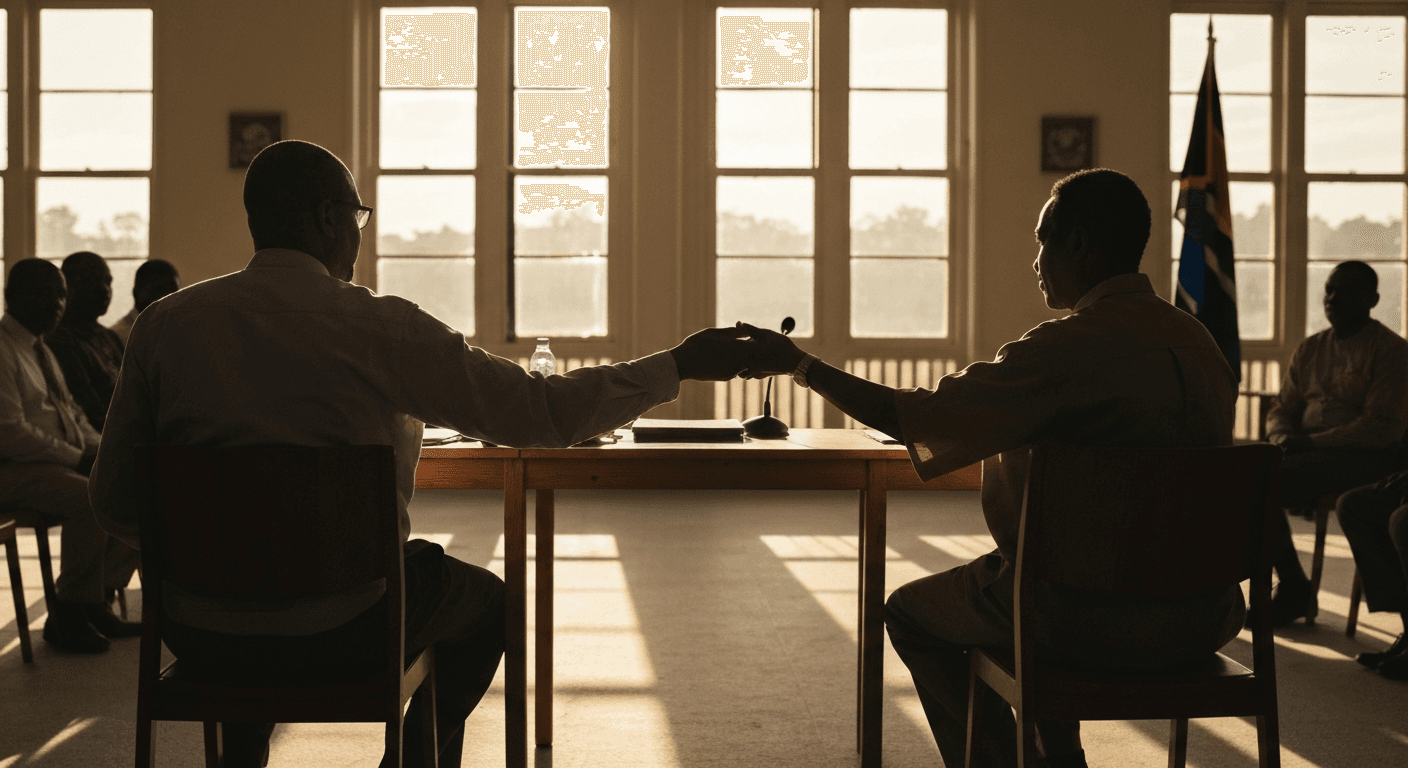
A Nation Seeking Healing
In the wake of apartheid, South Africa was a nation seeking healing. The Truth and Reconciliation Commission (TRC), established in 1995, was a beacon of hope for a country scarred by decades of racial injustice. Led by Archbishop Desmond Tutu, the TRC's mission was to uncover the truth of past atrocities and foster a path toward reconciliation.
The Power of Forgiveness
Desmond Tutu, a pivotal figure in the TRC, often spoke of the power of forgiveness. He believed that true reconciliation required a full exposure of the pain and wrongs, and he emphasized that without forgiveness, the future was bleak. As Tutu declared, "Forgiving is not forgetting; it's actually remembering – remembering and not using your right to hit back. It's a second chance for a new beginning."
Extraordinary Acts of Grace
Among the many heartrending testimonies was that of Mrs. Calata and her daughter. Her husband was brutally murdered, and the family sought not revenge but understanding of the truth. When the perpetrators confessed, Mrs. Calata and her daughter chose to forgive them, showcasing an extraordinary act of grace that echoed Tutu's belief in restorative justice.
Another striking story involved an elderly woman who confronted the soldier responsible for her husband and son's deaths. During the TRC hearings, she asked the soldier to accompany her to the site where they were killed, to work the land her son would have tended, and astonishingly, she forgave him. Such moments were testament to the divine power of love and forgiveness, demonstrating how deeply intertwined these values were with South Africa's healing journey.
A Catalyst for Change
The TRC, while not without its challenges, provided a framework for South Africans to confront their past and move towards a future united in peace. These personal stories of transformation reveal a profound truth: forgiveness is a powerful catalyst for change, capable of mending the deepest wounds.