The Night of Devastation
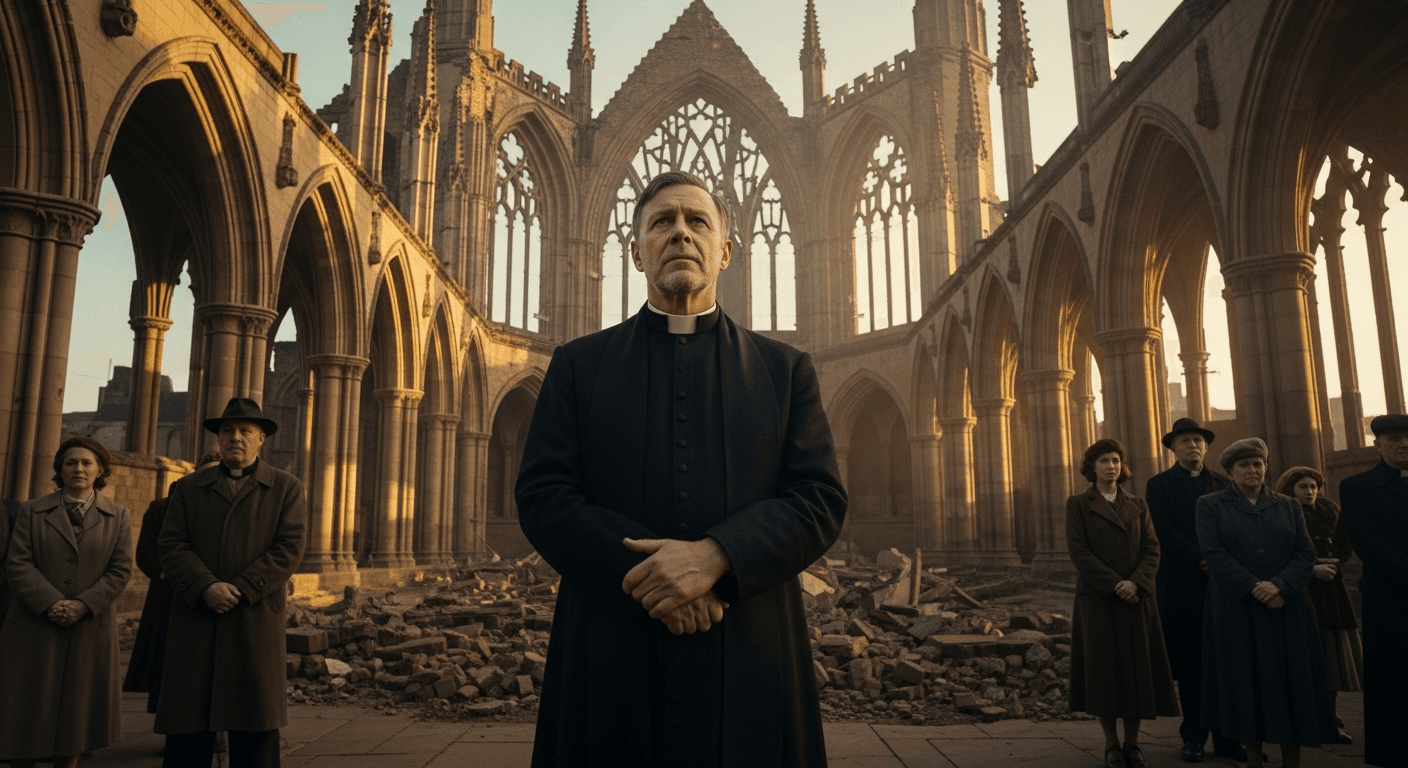
On the night of November 14, 1940, over 500 German bombers unleashed destruction upon Coventry, England. The once-thriving city was reduced to rubble, with its ancient cathedral left a hollow shell, save for its tower and spire. In the face of such devastation, Provost Richard Howard of Coventry Cathedral made a profound decision that would echo through history.
Father Forgive
As dawn broke over the smoldering ruins, he inscribed the words 'Father Forgive' on the cathedral's sanctuary wall, a statement that encompassed not just the sins of the attackers but the universal need for forgiveness. The provost's actions were not merely symbolic; they were rooted in the teachings of Jesus, who called for forgiveness as a cornerstone of faith. Inspired by the vision of reconciliation, Howard declared, 'Once the war is over, we will work with our former enemies to build a kinder, more Christ-like world.'
The Cross of Nails
His commitment to this vision was further exemplified by the creation of the Cross of Nails, crafted from the charred remains of the cathedral's roof. This cross became a powerful emblem of hope and reconciliation, eventually shared with communities worldwide, including those in Germany.
A Beacon of Peace
The story of Coventry Cathedral's transformation from a site of ruin to a beacon of peace did not end with the war. The decision to rebuild was made almost immediately, not as an act of defiance, but as a testament to the power of faith and forgiveness. The new cathedral, consecrated in 1962, stands alongside the preserved ruins, a living symbol of resurrection and new beginnings. The daily Litany of Reconciliation continues to remind all of the ongoing journey towards healing and peace.
Jesus's teachings on forgiveness found a poignant expression in Coventry's story, offering a path forward beyond the pain of war. Through the ashes, God brought forth a ministry of reconciliation, transforming devastation into a legacy of hope and unity.

