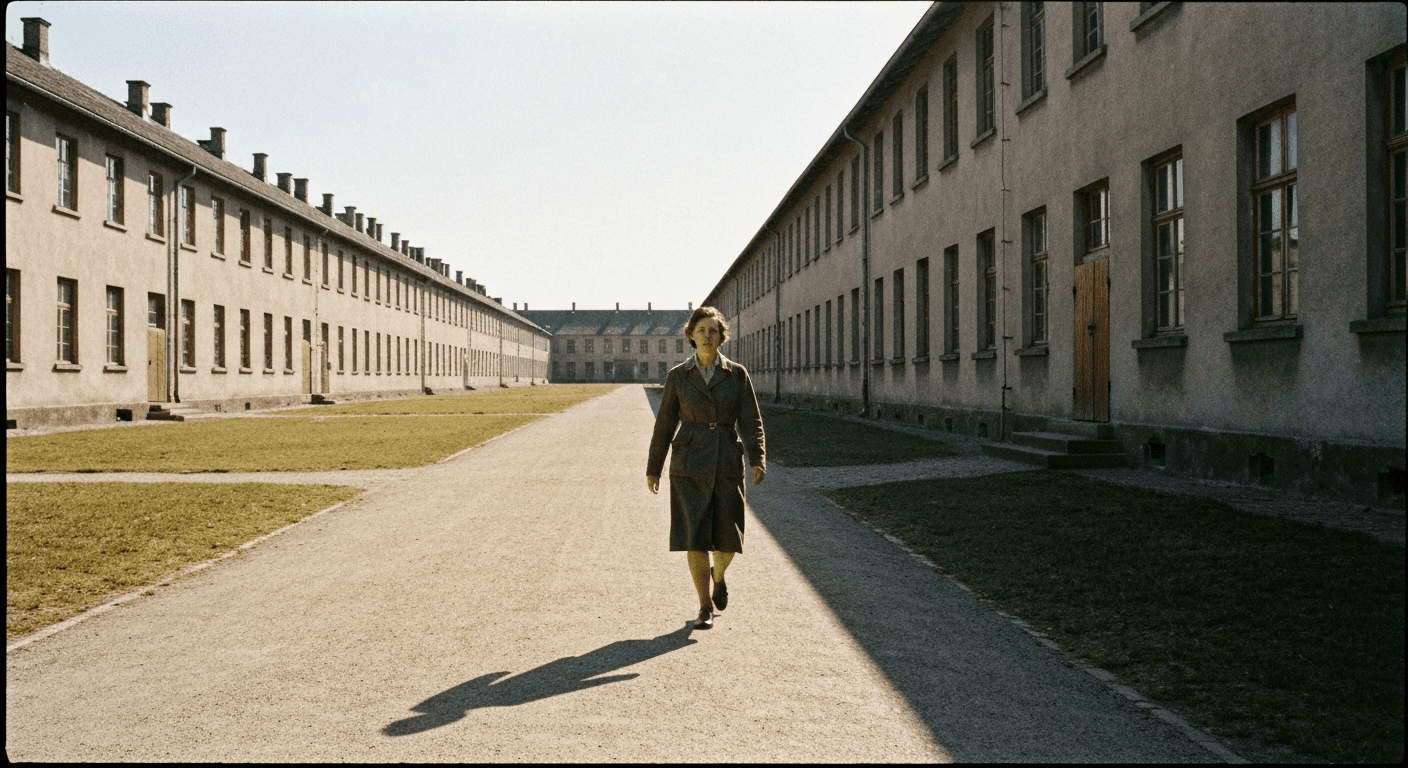
The Hiding Place
Corrie ten Boom, born in Haarlem, Netherlands, was a woman of remarkable faith and resilience. During World War II, she and her family bravely hid Jewish refugees from the Nazis in their home, a place they called "the hiding place." Their efforts saved many lives, but in February 1944, they were betrayed and arrested.
Surviving Ravensbrück
Corrie and her sister Betsie were eventually sent to Ravensbrück concentration camp in Germany. Life there was brutal, but their faith remained unshaken. Betsie once told Corrie, "There is no pit so deep that He [God] is not deeper still." This faith sustained them as they secretly held Bible studies in their flea-infested barracks, the very fleas keeping guards away and allowing them this small freedom.
Betsie died in the camp, but not before sharing a vision of a place of healing for survivors. Corrie's release came shortly after, due to what she later learned was a clerical error. A week later, women her age were sent to the gas chambers. She believed this was God's intervention.
The Power of Forgiveness
After the war, Corrie established a rehabilitation center and traveled the world sharing her message of forgiveness. In 1947, in Germany, she encountered a former Ravensbrück guard who had become a Christian. He asked for her forgiveness. Corrie struggled, but she prayed, "Jesus, help me! I can lift my hand. I can do that much. You supply the feeling." When she shook his hand, she felt a surge of love and warmth. She forgave him, realizing that "forgiveness is the key that unlocks the door of resentment and the handcuffs of hatred."
A Testament to Grace
Corrie's life, documented in her book, *The Hiding Place*, is a testament to the power of forgiveness and the belief that Jesus provides the strength to love our enemies.

