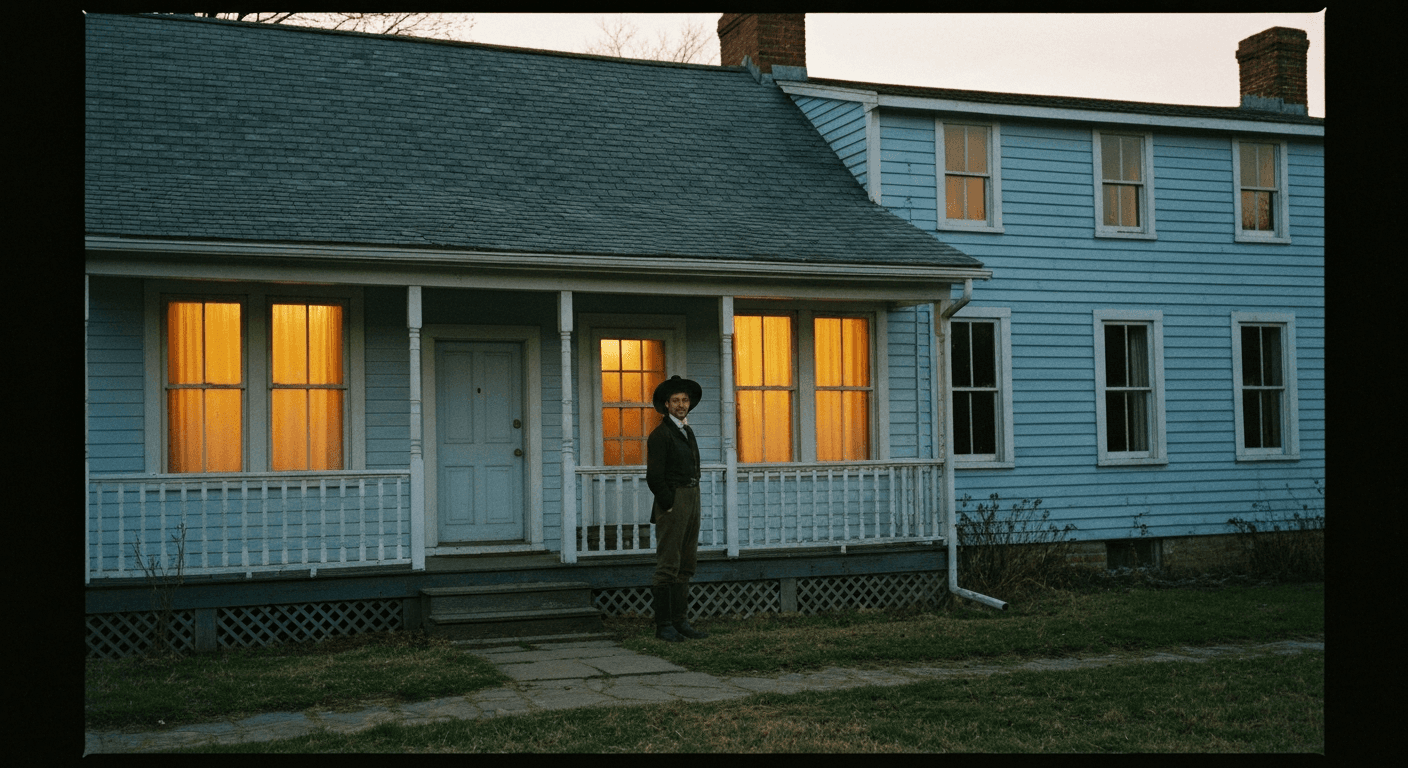
George Muller ran five orphanages in Bristol, England, caring for over two thousand children at a time. He never asked anyone for money. He never took a salary. He simply prayed — and when a need was urgent, he fasted.
Breakfast with Empty Cupboards
One morning in 1844, the children sat down at the tables and every plate was empty. There was no food in the house and no money to buy any. Muller had been fasting since the previous evening, praying for provision. He asked the children to bow their heads and give thanks for what God was about to provide.
Minutes after the prayer, a baker knocked on the door. He had been unable to sleep the night before and felt compelled to bake enough bread for every child in the orphanage. Before the baker left, a milk cart broke down directly outside the building. The driver offered all his milk to the orphanage rather than let it spoil.
A Pattern, Not a One-Off
This was not an isolated incident. Muller recorded over fifty thousand specific answers to prayer in his journals. Many of the most dramatic provisions came during periods when he was fasting. He saw fasting not as a way to twist God's arm but as a way to bring his own heart into alignment with what God wanted to do.
Over the course of his lifetime, Muller received the equivalent of over one hundred million pounds in today's currency — all without asking a single person for a penny. He fed, clothed, and educated over ten thousand orphans.
What This Means for You
Muller's fasting was paired with a radical trust that most people would call reckless. He set the table before the food arrived. He thanked God for provision that did not yet exist. The fast sharpened his faith until he could see what was coming before it was visible. If you are waiting for provision, Muller's example suggests that fasting is not about convincing God to provide — it is about positioning your heart to receive what he has already set in motion.