Handel's Financial Crisis and Divine Inspiration
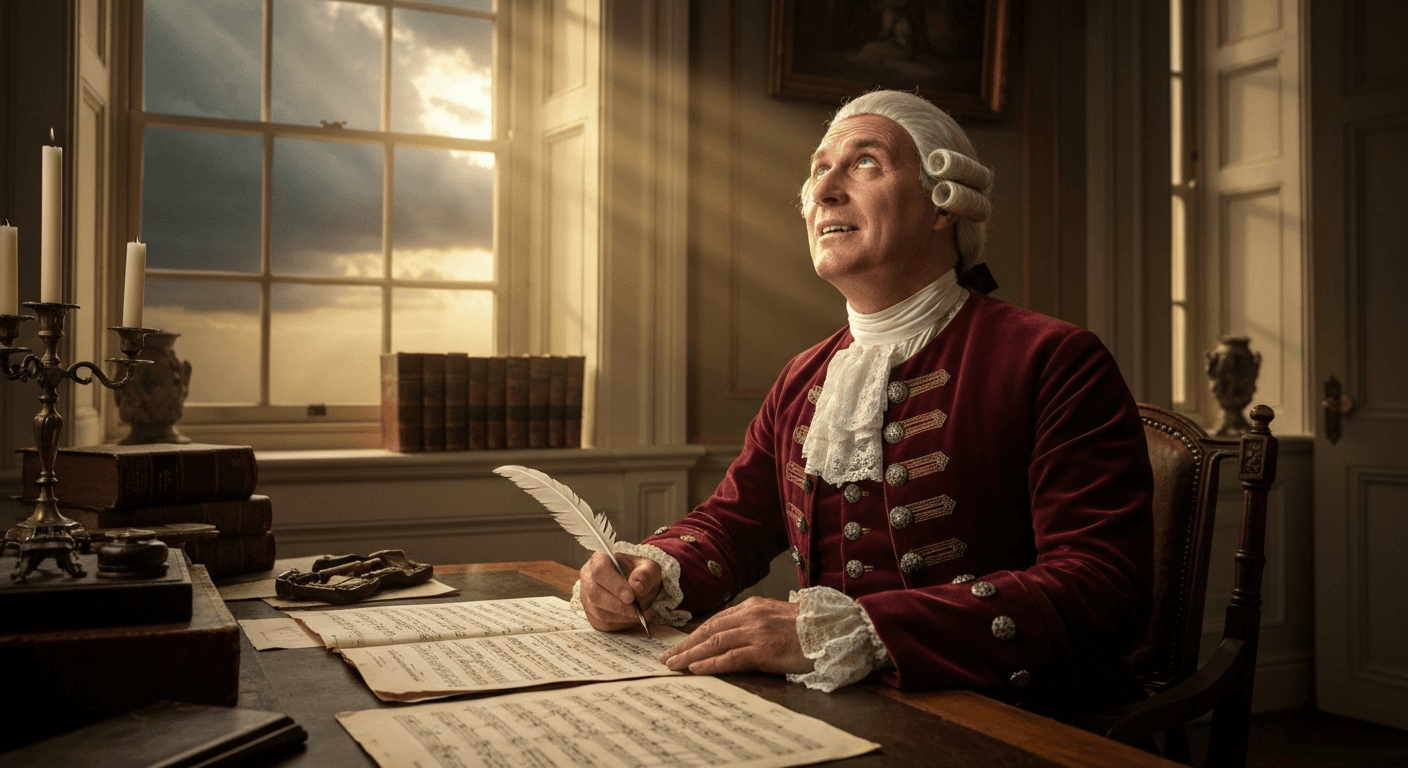
In the year 1741, George Frideric Handel found himself at a crossroads in London, England. Once celebrated for his operas, he now faced dwindling popularity and financial distress. It was during this time of crisis that Handel received a libretto from his friend Charles Jennens, a scriptural text that would become the foundation for his masterpiece, *Messiah*. Overwhelmed by the words, Handel began composing with a fervor that seemed beyond natural capacity. In just 24 days, he completed the 260-page oratorio, a feat many attribute to divine inspiration. As Handel himself recounted, 'I did think I did see all Heaven before me, and the great God Himself seated on His throne, with His company of Angels' while writing the 'Hallelujah' chorus.
Composer Experienced God's Presence
His composition experience was more than just artistic; it was a spiritual encounter. Handel inscribed 'SDG', Soli Deo Gloria, meaning 'To God alone the glory', at the end of the manuscript, underscoring his belief that God had guided his hand. The first performance of *Messiah* in Dublin on April 13, 1742, was a charitable event, reflecting Handel's newfound focus on philanthropy and faith. The proceeds went to prisoners, orphans, and the sick. Handel's interaction with Lord Kinnoul after the London premiere further revealed his intentions. When congratulated on the entertainment, Handel replied, 'My Lord, I should be sorry if I only entertain them. I wish to make them better.'
Life Transformed Through Sacred Music
Through *Messiah*, Handel's career was revitalized, and he shifted focus to English oratorios, continuing to use his music for charitable purposes. His life testified to a devout Christian faith, deeply committed to sharing the message of salvation through Jesus. Handel's transformation from a struggling composer to a celebrated figure of faith is a powerful testament to the divine inspiration he experienced, leaving a legacy that continues to touch lives today.