John Nelson Hyde arrived in India in 1892 as a Presbyterian missionary with a stammer and a quiet manner that made people wonder whether he was cut out for the work. For years, his results were modest. Then something shifted.
The Fast That Changed Everything
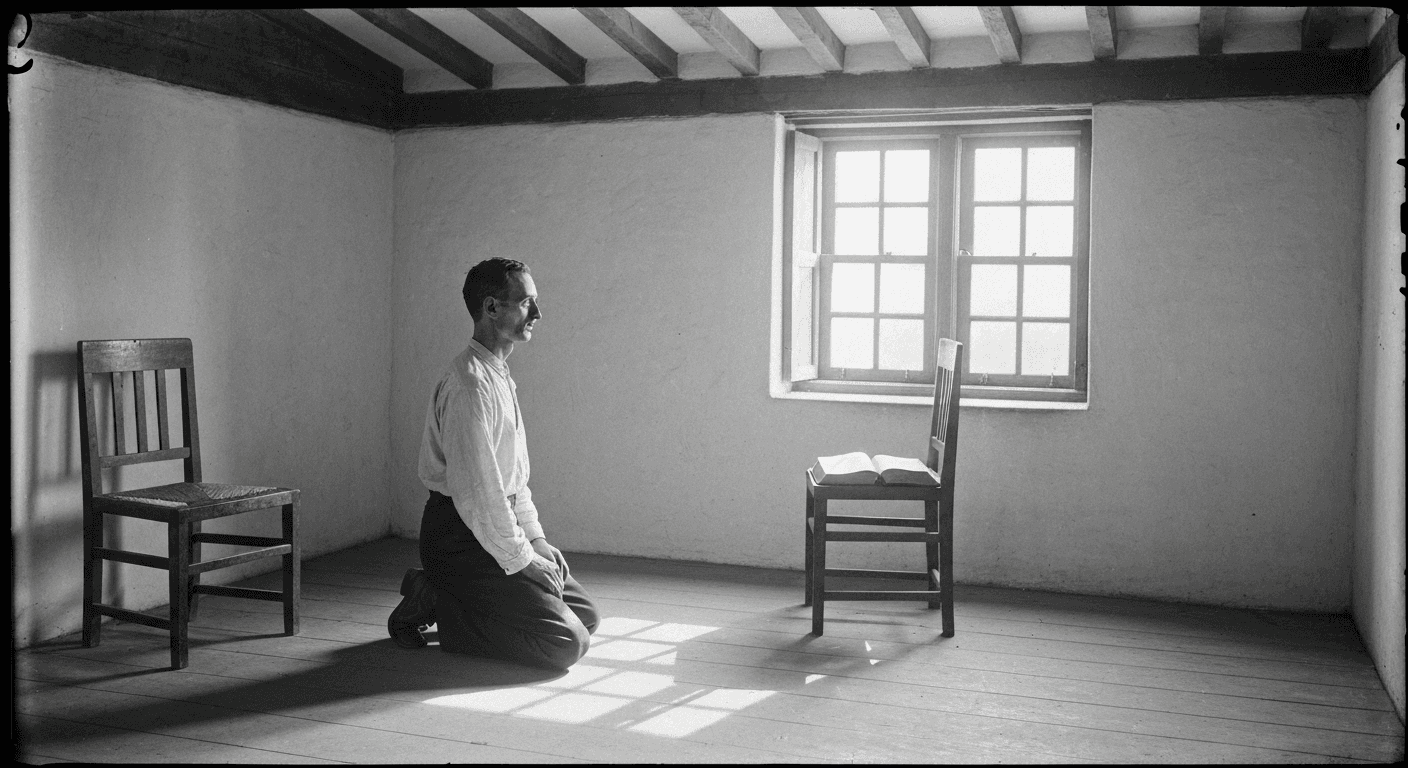
In 1904, Hyde withdrew to a secluded room before the annual Sialkot Convention in Punjab. He fasted and prayed for thirty days straight. Friends who checked on him found him on his face, weeping, unable to speak about anything except the people he was interceding for. He ate almost nothing. He slept in fragments. The rest of the time, he prayed.
When the convention began, Hyde walked in and the atmosphere was already different. People began confessing sins openly. Pastors who had been going through the motions broke down and recommitted their lives. By the end of the meetings, what historians now call the Sialkot Revival was underway.
One Soul a Day
During the following year, Hyde set himself to pray for one soul a day to come to faith. He fasted regularly, sometimes for days at a time. By the end of 1905, over four hundred people had come to faith through his ministry — more than one per day. The next year, he asked God for two souls a day. Then four.
His body paid the price. A doctor who examined Hyde later found that his heart had physically shifted position in his chest from the intensity of his prayer life. He died at age forty-seven, worn out but radiant.
What This Means for You
Hyde's story is not a prescription to wreck your health. It is a portrait of what happens when someone decides that the spiritual breakthrough matters more than comfort. His fasting was not a technique — it was an expression of desperation. And God honoured that desperation with a movement that transformed an entire region. Sometimes the thing standing between you and the breakthrough is simply the willingness to set everything else aside.
