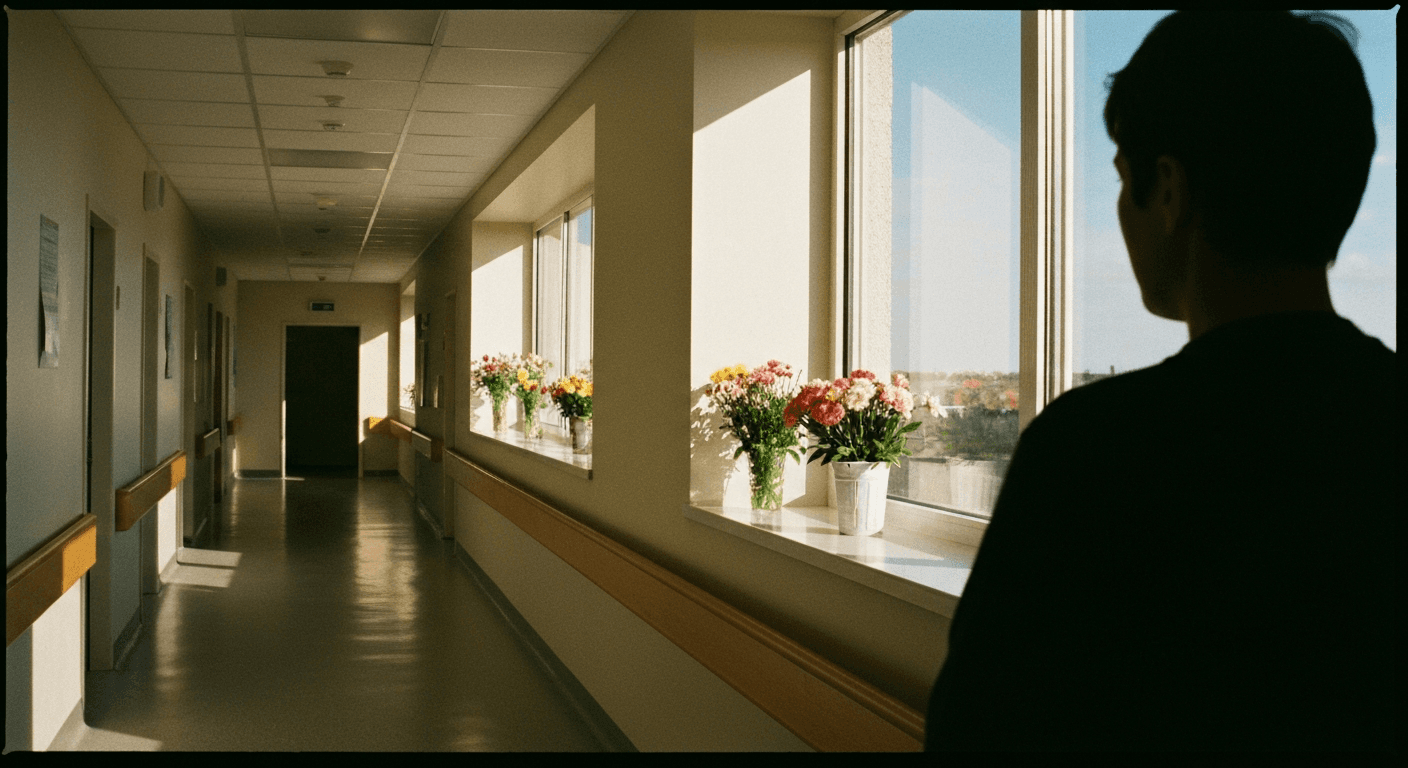
In 2010, Jaynie Laprade was doing what she always did at her church in Elmira, New York — showing up. She volunteered to chaperone the youth group at the Assemblies of God Youth Convention in Detroit, Michigan. It was supposed to be a weekend of young people encountering God. She was just there to keep an eye on the kids.
Then she got sick. Severely sick. Sick enough to end up in the hospital emergency room.
The Discovery
The ER doctors ran tests. What they found had nothing to do with the flu-like symptoms that had brought her in. A large mass on her kidney. The kind that needed to come out immediately. Cancer.
Jaynie went home from the convention not with youth group stories but with a surgery date. Doctors told her they would need to remove her entire cancer-filled kidney, and that further treatment — radiation, chemotherapy — might be necessary depending on whether the cancer had spread.
The Fear That Should Have Been
By every measure, Jaynie should have been terrified. A surprise cancer diagnosis. Emergency surgery. The possibility of the cancer having spread. The unknown of what the surgeon would find once they opened her up.
But something happened that Jaynie did not expect: God's peace arrived before the fear had time to settle.
Not the kind of peace that comes from denial or from being too shocked to feel anything. The kind of peace that is active, present, and inexplicable. The kind that sits with you in the pre-op room and follows you into the operating theatre and is still there when you wake up.
Jaynie experienced God's peace throughout the entire ordeal. Not as a one-time gift. As a continuous presence. Through the diagnosis, the waiting, the surgery, the recovery — peace.
The Surgery
The surgery was successful. When the surgeon examined the kidney, the cancer was contained entirely within the organ. It had not spread. No chemotherapy. No radiation. The cancer was gone with the kidney, and Jaynie was cancer-free.
What Remained
Years later, when Jaynie tells her story, she says something that catches people off guard: "I only remember the peace."
Think about that. A cancer diagnosis, emergency surgery, and weeks of uncertainty — and the dominant memory is not fear. Not pain. Not anxiety. Peace. The fear and worry that should have been the loudest memories have faded entirely. What remains — what stuck — is the awareness of God's presence.
That is not how human memory normally works. We tend to remember fear more vividly than comfort, pain more vividly than peace. But when God's peace is the real thing — not a feeling you generated, not a decision you made, but a gift from outside yourself — it rewrites what sticks.
What This Means for You
If you are sitting in a hospital room right now, or waiting for surgery, or staring at a scan date on a calendar — this story carries a promise that might sound too good to be true: the peace can outlast the fear.
You will not always remember the fear. You will not always remember the anxiety of the waiting room or the cold of the operating table or the sound of the surgeon's voice. But you will remember the peace. Because the peace is not a human emotion. It is a divine presence. And divine things do not fade.
Jaynie Laprade only remembers the peace. Years from now, when you look back on this season, you might only remember it too.
