Kate Nicholas had spent years standing in front of crowds, telling people about the power of God. As an evangelist and speaker in the UK, she had shared her faith on stages, in churches, at conferences, and in the quiet conversations that happen after the event ends and the microphones are off.
She knew how to communicate hope. She knew how to meet people in their pain and point them toward something bigger. That was her gift. That was her calling.
And then breast cancer came for her.
The Diagnosis
Breast cancer. Two words that rearrange everything. One in seven women in the UK will face a breast cancer diagnosis in their lifetime. When you are the one, the statistic is irrelevant. It is just you, a consultant, and a scan that shows something that should not be there.
For Kate, the diagnosis carried an extra weight. She was not just a patient. She was a public figure in the Christian community. A woman who had told others to trust God in their suffering was now facing her own. The question every person of faith dreads was right in front of her: Do I really believe what I have been telling everyone else?
The Treatment and the Ministry
Kate chose both. Medical treatment and prayer ministry. She did not see them as competing options. She saw them as complementary forces — medicine doing what medicine does, prayer doing what prayer does, and God holding both.
She underwent the treatment her oncology team recommended. At the same time, she received prayer ministry from her community — the kind of focused, specific, faith-filled prayer that asks God to intervene in the details. Not vague prayers. Targeted ones. Prayers that named the cancer, named the body, and named the outcome they were trusting God for.
Her community showed up. People who had heard her speak and been encouraged by her words now had the chance to return the favour. They prayed for the woman who had prayed for them.
The Healing
Kate Nicholas was declared cancer-free.
The treatment had worked. The prayers had been answered. The combination of medical expertise and spiritual intervention had produced the result that Kate and her community had been trusting God for.
But the story did not end with the all-clear scan. Kate did what Kate does — she talked about it. She wrote about her experience, opening up about the fear, the treatment, the faith, and the moments where all three collided. She did not present a sanitised version of events. She told the truth about how hard it was.
The Amplification
Here is the thing about cancer in the life of someone whose calling is to encourage others: it does not silence the voice. It amplifies it.
Before her diagnosis, Kate Nicholas could tell you that God is faithful. After her diagnosis, she could show you. The difference between telling and showing is the difference between a sermon and a scar. And Kate's scar gave her words a weight they did not have before.
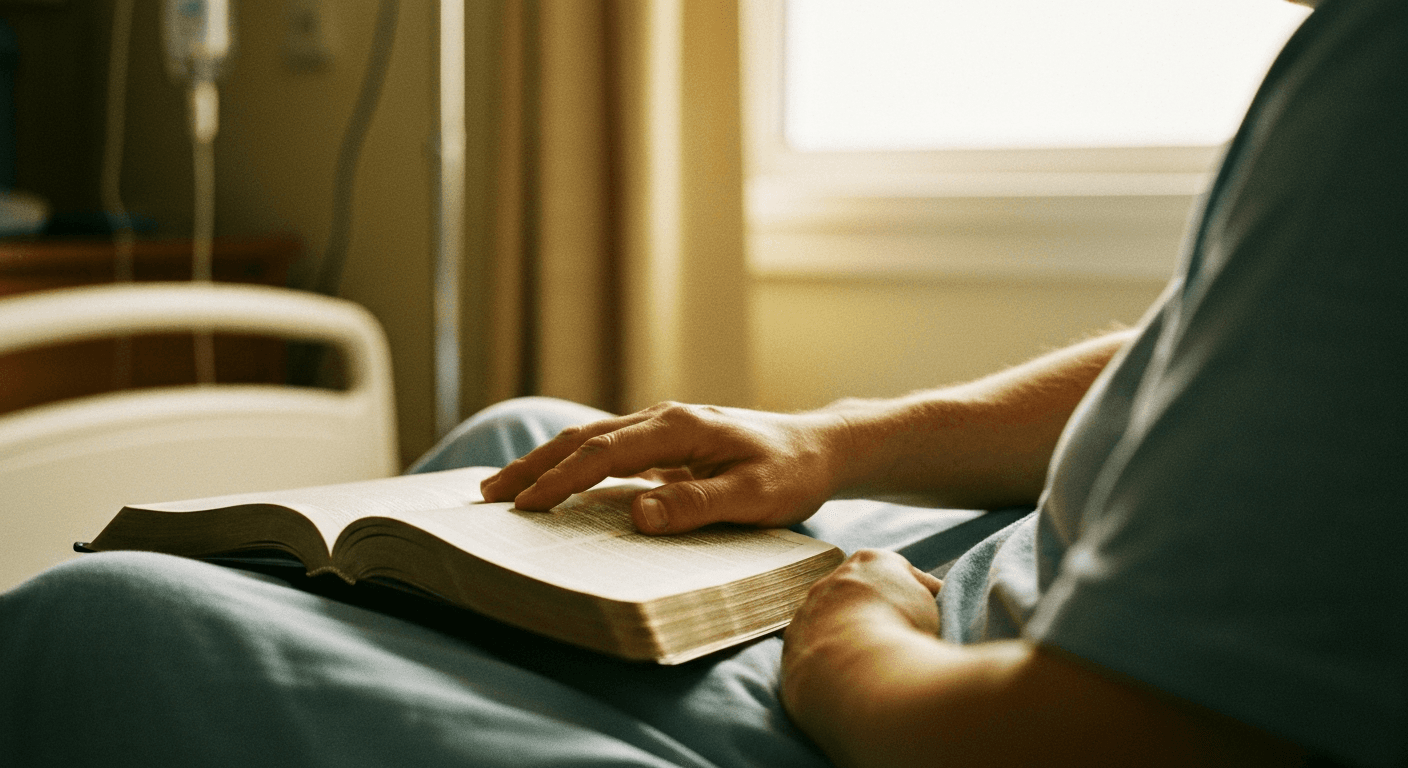
She returned to speaking. She returned to evangelism. But now, when she stood in front of a crowd and talked about God's goodness in suffering, she was not speaking from theory. She was speaking from a hospital bed, a treatment chair, and a scan result that said: clear.
What This Means for You
If you are a woman facing breast cancer in the UK — or anywhere — and you have people around you who believe in prayer, let them pray. Not as a replacement for your oncologist. Alongside your oncologist.
Kate Nicholas did not choose between medicine and faith. She chose both. And the result was a cancer-free declaration that gave her not just her health back, but a testimony that has reached further than any sermon she ever preached.
Cancer tried to take her voice. Instead, it gave her the most powerful thing a speaker can have: a story she lived through. And she is still telling it.
