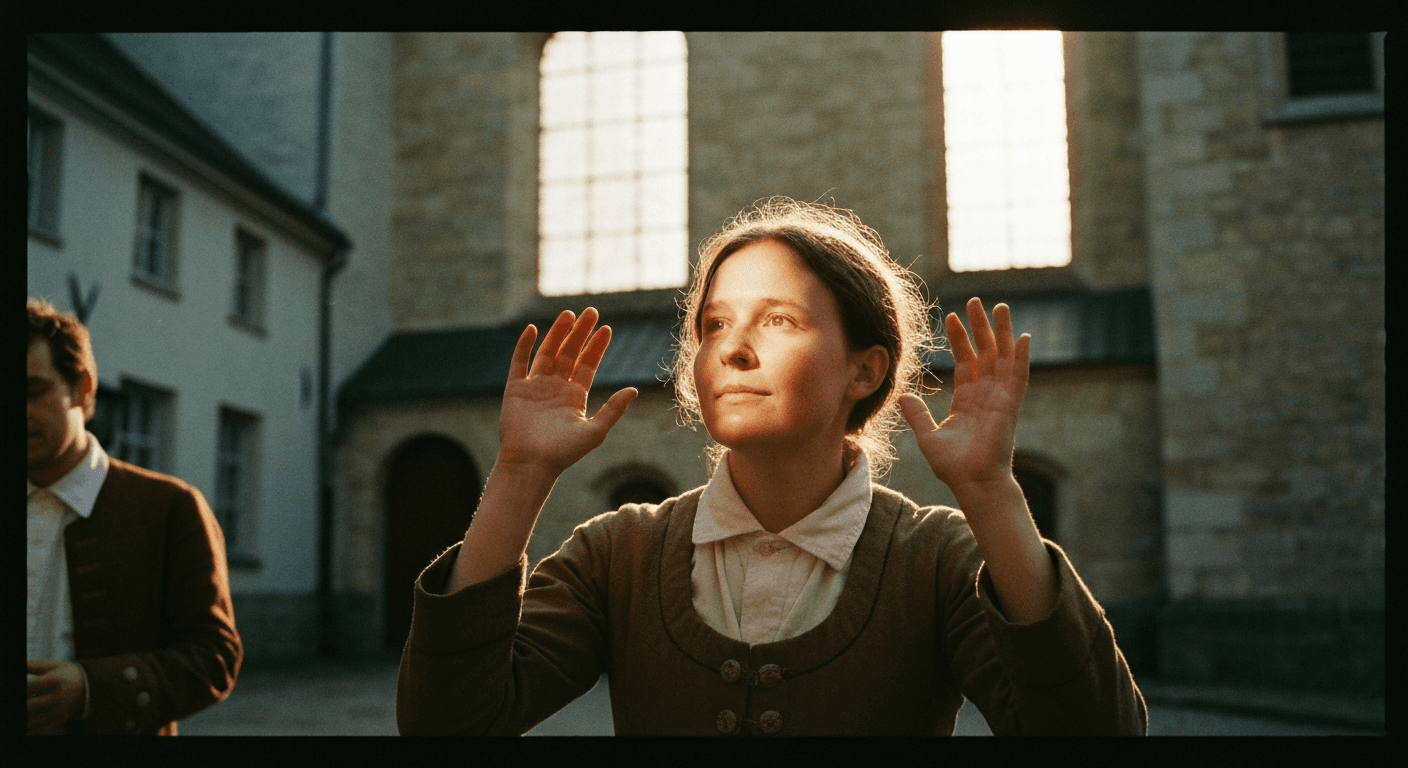
In the late 1990s, Lou Engle was leading a small worship gathering on a university campus in Pasadena, California. It was not a megachurch. It was not a conference. It was a handful of young people singing in a rented room. But during one of those sessions, Engle experienced something that would shape the next two decades of his life.
A Small Room, a Big Shift
Engle described the moment as a sudden and overwhelming sense of urgency — like a weight dropping into his chest. During the worship, he saw a mental picture of a massive gathering on the National Mall in Washington, D.C. He saw young people fasting, praying, and worshipping together on the grass. The image was so vivid he could not shake it.
He shared the vision with the students in the room. Most of them thought it sounded impossible. But Engle felt it was not optional. Something had been deposited during that worship session, and he was convinced it needed to be acted on.
TheCall Was Born
On September 2, 2000, over 400,000 people gathered on the National Mall for TheCall — a 12-hour worship and prayer event. No celebrity speakers, no concert headliners, no entertainment. Just fasting, prayer, and continuous worship from morning to night.
It was one of the largest worship gatherings in American history. And it started in a small room during a campus worship session that no one would have remembered otherwise.
Two Decades of Gatherings
TheCall went on to host events across the United States and around the world. Each one centred on the same elements: extended worship, fasting, and prayer. Engle has always been emphatic that the entire movement was born during worship, not during a planning meeting.
What This Means for You
Do not despise small beginnings. A handful of people worshipping in a rented room can carry something that eventually fills a national monument. The key is not the size of the room. It is the willingness to respond to what drops into your heart during worship.