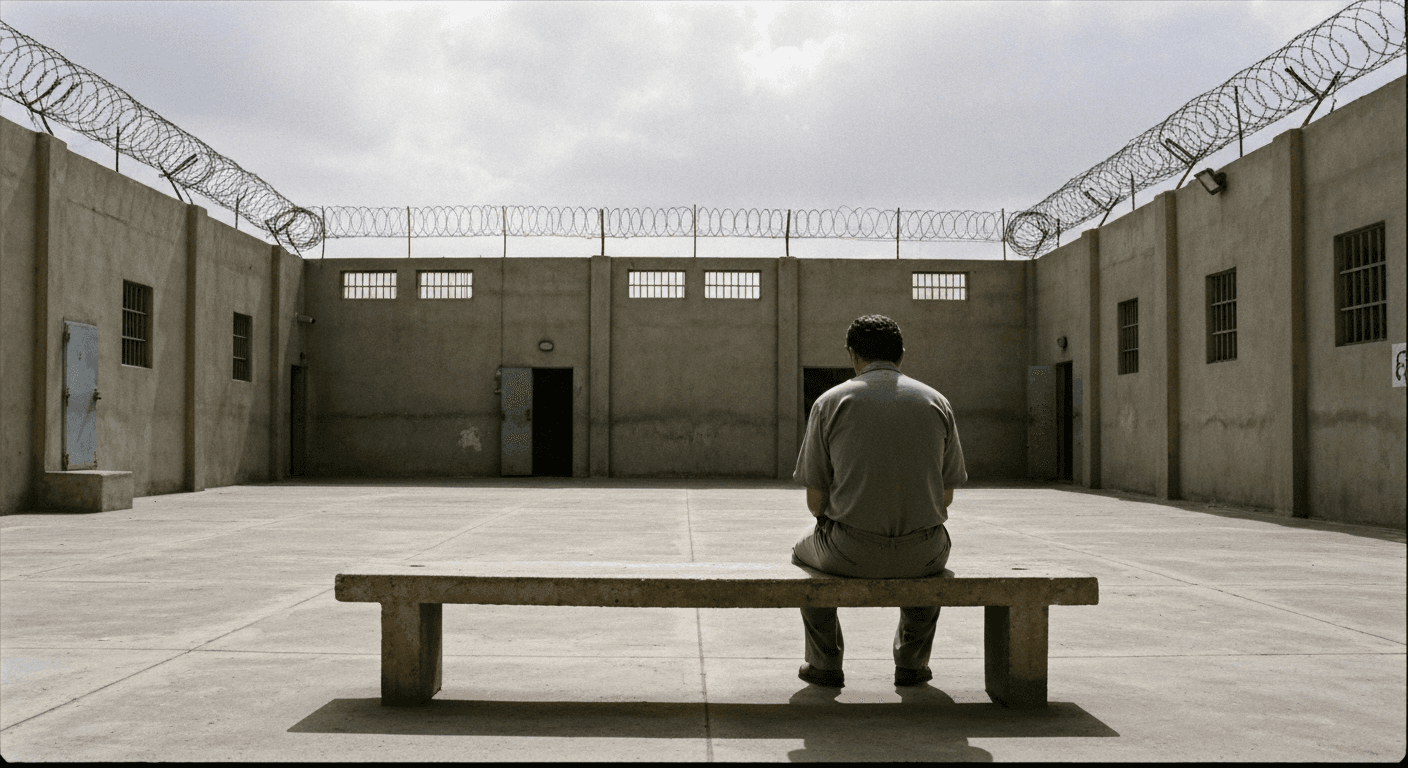
In 1986, Mordechai Vanunu was a former technician at Israel's Dimona nuclear facility. What he had seen inside convinced him that the world needed to know what Israel refused to confirm: the country had developed a significant nuclear weapons arsenal. He smuggled out photographs and technical details and brought them to the British press.
The Decision to Speak
Vanunu had converted to Christianity from Judaism in the years before his disclosure — a deeply personal shift that informed his growing conviction that nuclear weapons were morally unacceptable. He approached the Sunday Times in London with his evidence. The paper spent weeks verifying his claims with independent nuclear scientists before publishing in October 1986.
The photographs and technical descriptions Vanunu provided proved that Israel had produced enough plutonium for an estimated 100 to 200 nuclear warheads. The story shattered the official Israeli policy of nuclear ambiguity.
The Price of Truth-Telling
Before the Sunday Times story was published, Vanunu was lured from London to Rome by a Mossad operative posing as an American tourist. He was drugged, kidnapped, and smuggled to Israel on a cargo ship. He was convicted of treason and espionage in a secret trial and sentenced to 18 years in prison — 11 of them in solitary confinement.
He was released in 2004, but with severe restrictions: no interviews with foreign press, no travel outside Israel, no contact with foreigners. As of 2024, many of these restrictions remain in place.
What This Means for You
Vanunu's case sits at the uncomfortable intersection of conscience and consequence. He believed the world had a right to know about nuclear weapons proliferation. His government believed he betrayed state secrets. What isn't in dispute: he paid a price that most people would never be willing to pay. Justice sometimes costs everything, and the bill keeps arriving.
