In August 2014, ISIS fighters attacked the Yazidi village of Kocho in northern Iraq. They separated the men from the women and children. The men and older boys were executed. Nadia Murad, then 21, was among the thousands of Yazidi women and girls taken captive. She was sold, beaten, raped, and passed between fighters for three months before escaping through an unlocked door in Mosul.
Choosing to Speak
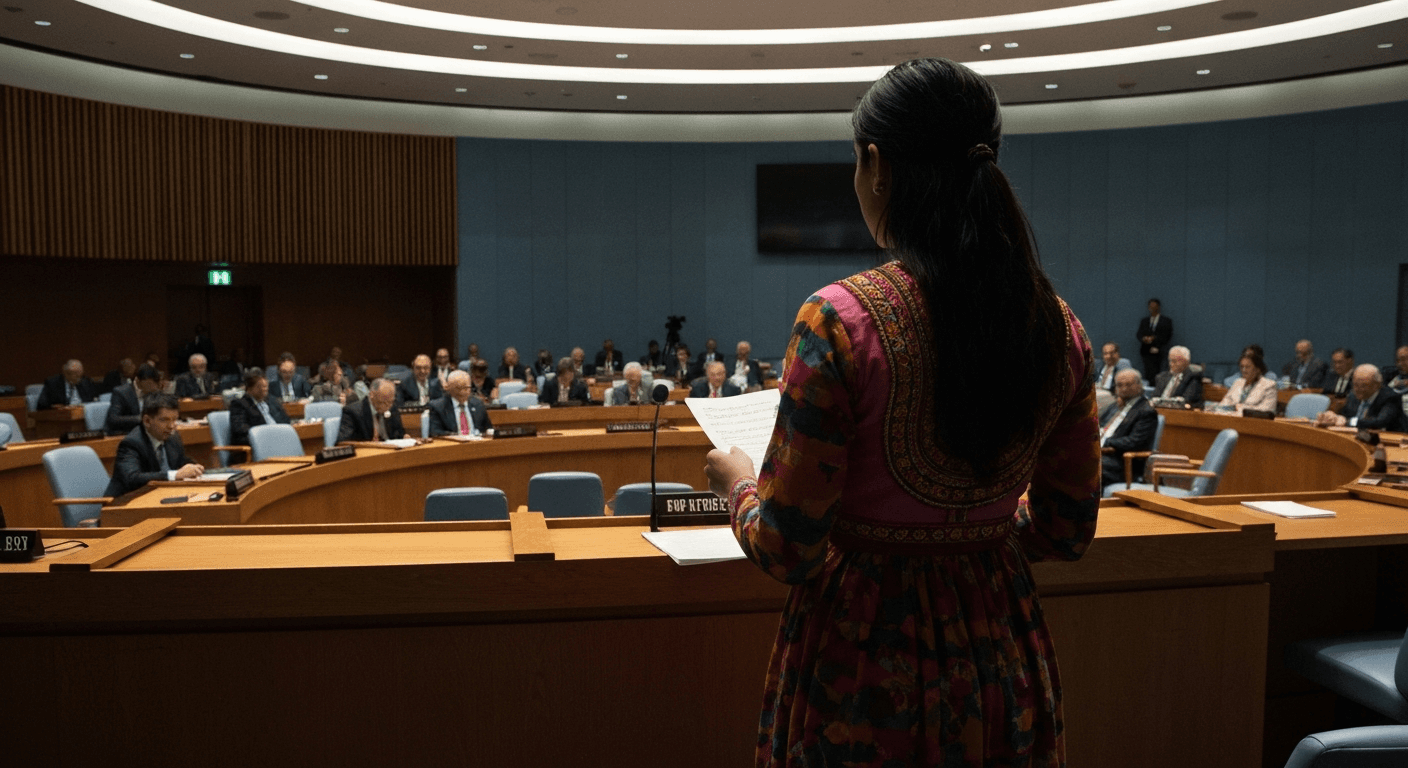
Many survivors of sexual violence stay silent — and for good reason. The shame, the retraumatisation, the disbelief from others. Murad made a different calculation. She decided that silence protected the perpetrators, not the survivors. In 2015, she became the first person to tell the UN Security Council about ISIS's systematic use of sexual violence against Yazidi women.
She didn't soften the testimony. She didn't use euphemisms. She named what had been done to her and to thousands of others. Ambassadors wept. Several left the chamber.
Building the Case for Justice
Murad co-founded Nadia's Initiative to rebuild Yazidi communities and advocate for survivors of genocide and sexual violence. She worked relentlessly with international prosecutors to build a legal case for genocide — not just war crimes, but the specific legal designation that recognises the intent to destroy an entire people.
In 2018, Nadia Murad was awarded the Nobel Peace Prize. In 2023, a German court convicted an ISIS member of genocide against the Yazidis — the first such conviction. Murad's testimony was central to the case.
What This Means for You
Murad turned the worst thing that ever happened to her into a lever for justice. Not revenge — justice. There's a distinction. Revenge looks backward. Justice looks forward. It builds structures so that what happened cannot happen again.