Early Life and Marriage
Born on January 20, 1669, in Spitalfields, London, Susanna Wesley was the youngest of 25 children. Her upbringing in a Dissenting family shaped her early years, but her life took a significant turn when she chose to align with the Church of England upon marrying Samuel Wesley in 1688. Settling in Epworth, Lincolnshire, Susanna and Samuel faced the joy and sorrow of raising 19 children, of whom only 10 survived infancy.
A Brand Plucked From the Burning
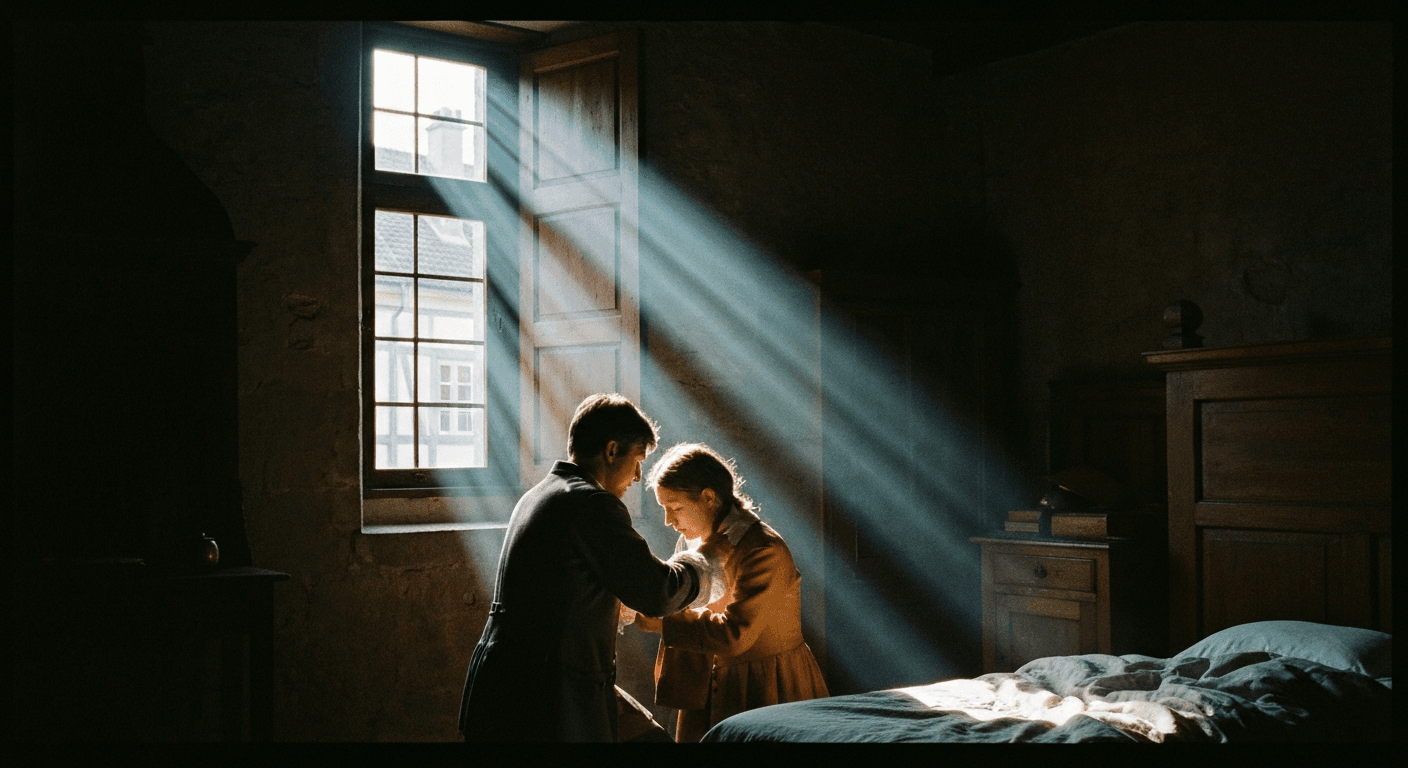
One of the most dramatic events in Susanna's life occurred on February 9, 1709, when the Epworth Rectory caught fire. Her son John, then six years old, was barely rescued from the flames, an incident he would later describe as being 'a brand plucked from the burning.' Susanna saw this miraculous escape as a sign of divine purpose for John's life, a belief that would deeply influence him in his future ministry.
Discipline and Devotion
Susanna's daily life was marked by discipline and devotion. Her methodical approach to educating her children laid the groundwork for what would become the Methodist emphasis on discipline and method. In her correspondence with her son John, she once wrote, 'I am content to fill a little space if God be glorified.' Her humble and steadfast faith provided a strong foundation for her children, particularly John and Charles, who went on to found the Methodist movement.
Despite financial hardships and the challenges of managing a large household, Susanna's unwavering faith and dedication never faltered. She instilled in her children a deep understanding of faith and resilience, qualities that would resonate throughout their lives and ministries.
An Enduring Legacy
Susanna's legacy is not only seen in her famous sons but also in the countless lives they touched through their work. Susanna Wesley's story is a testament to the power of faith and perseverance. Her influence on her children and her unwavering commitment to glorifying God in every circumstance demonstrate the profound impact one life, surrendered to divine purpose, can have.