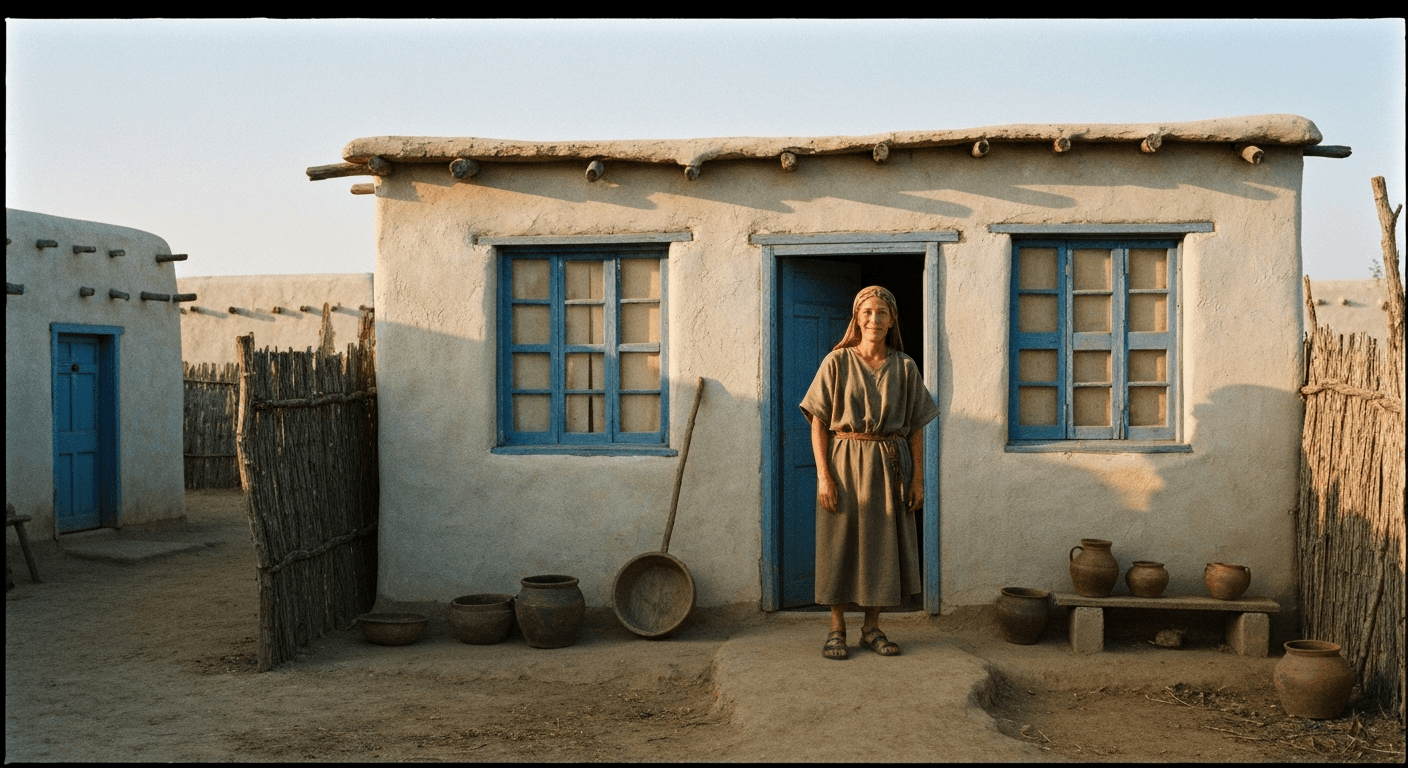
It's one of the most confronting stories in the Hebrew scriptures. During a severe drought and famine in ancient Israel, the prophet Elijah was directed to a widow in Zarephath — a Phoenician town outside Israel's borders.
She Had Enough for One Last Meal
When Elijah found her, she was gathering sticks to cook what she believed would be the final meal for herself and her son. Her flour jar was nearly empty. Her oil jug held barely a trickle. She was preparing to eat, and then to die.
Elijah asked her to make him a small cake first — before feeding herself and her child.
The request is almost outrageous. A stranger asking a starving woman to feed him first.
What She Did Anyway
She did it. Despite every rational reason to refuse, she made the bread and gave it to the prophet. The account says that from that day forward, the jar of flour was not used up and the jug of oil did not run dry, through the entire duration of the famine.
Not a one-time miracle. A sustained, daily provision — just enough, every single day, for as long as the drought lasted.
Why This Story Matters
The widow wasn't wealthy. She had no savings, no safety net, no community fund. She had a handful of flour and a few drops of oil. And she was asked to give from that — not from abundance, but from her last.
The provision didn't come before the obedience. It came after. That's the part that makes this story uncomfortable and real.
What This Means for You
Sometimes provision asks something of you before it reveals itself. Not as a test of worthiness, but as an invitation into a different kind of economy — one where giving and receiving aren't opposites, but partners. If you're holding your last handful of anything, you're exactly the kind of person this story was written for.