Claudine Mukamana was a Tutsi survivor of the 1994 Rwandan genocide. She lost her parents, two brothers, and her uncle during the hundred days of killing. Beatrice Uwimana was a Hutu woman whose father had been among the perpetrators — he died in prison in 2004 while awaiting trial. For twenty-five years after the genocide, these two women lived in the same Kigali neighbourhood without speaking. Their children attended the same school. They bought vegetables at the same market. The silence between them was louder than any conversation.
The Umuganda That Changed Everything
Rwanda's monthly umuganda — mandatory community service day — brought them together in October 2019. Their neighbourhood was assigned to plant trees on a hillside. By chance, Claudine and Beatrice were assigned to the same plot. For three hours they worked in silence, digging holes and planting seedlings side by side. At the end, Claudine's spade broke. Beatrice, without thinking, offered hers. Claudine took it. Their hands touched. Beatrice said later: "In that moment, the wall cracked. Not because of words. Because of a spade."
From a Spade to a Kitchen
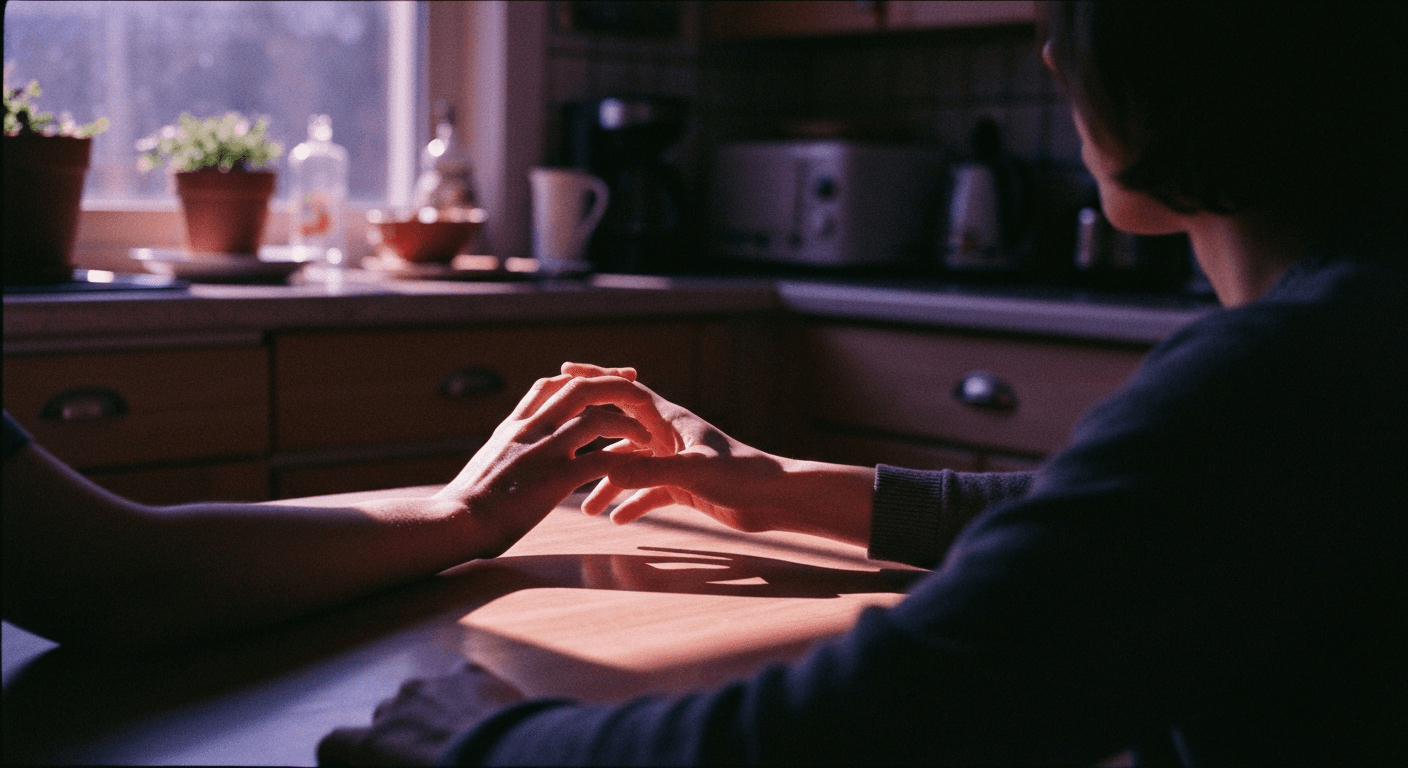
Over the following months, they began speaking — carefully, slowly, with the caution of two people walking through a field they know contains mines. A church reconciliation programme run by a Kigali pastor created the space. In March 2020, during the first COVID lockdown, Claudine suggested they bake bread together — both needed income, and combining resources made economic sense. They began baking in Beatrice's kitchen, selling to neighbours. The bread was good. The symbolism was better: a Tutsi survivor and a Hutu perpetrator's daughter, hands in the same dough.
The Bakery Called "Ubumwe"
By 2022, their kitchen operation had become a proper bakery called "Ubumwe" — unity. They employ four other women, two Tutsi and two Hutu. They supply bread to three schools. The bakery's logo is two hands — one lighter, one darker — holding a single loaf. Claudine told a reconciliation researcher: "I cannot forgive what happened in 1994. But I can choose to build something with someone who carries the same weight. Beatrice did not kill my family. Her father did. She is not her father. And my children are not my grief."