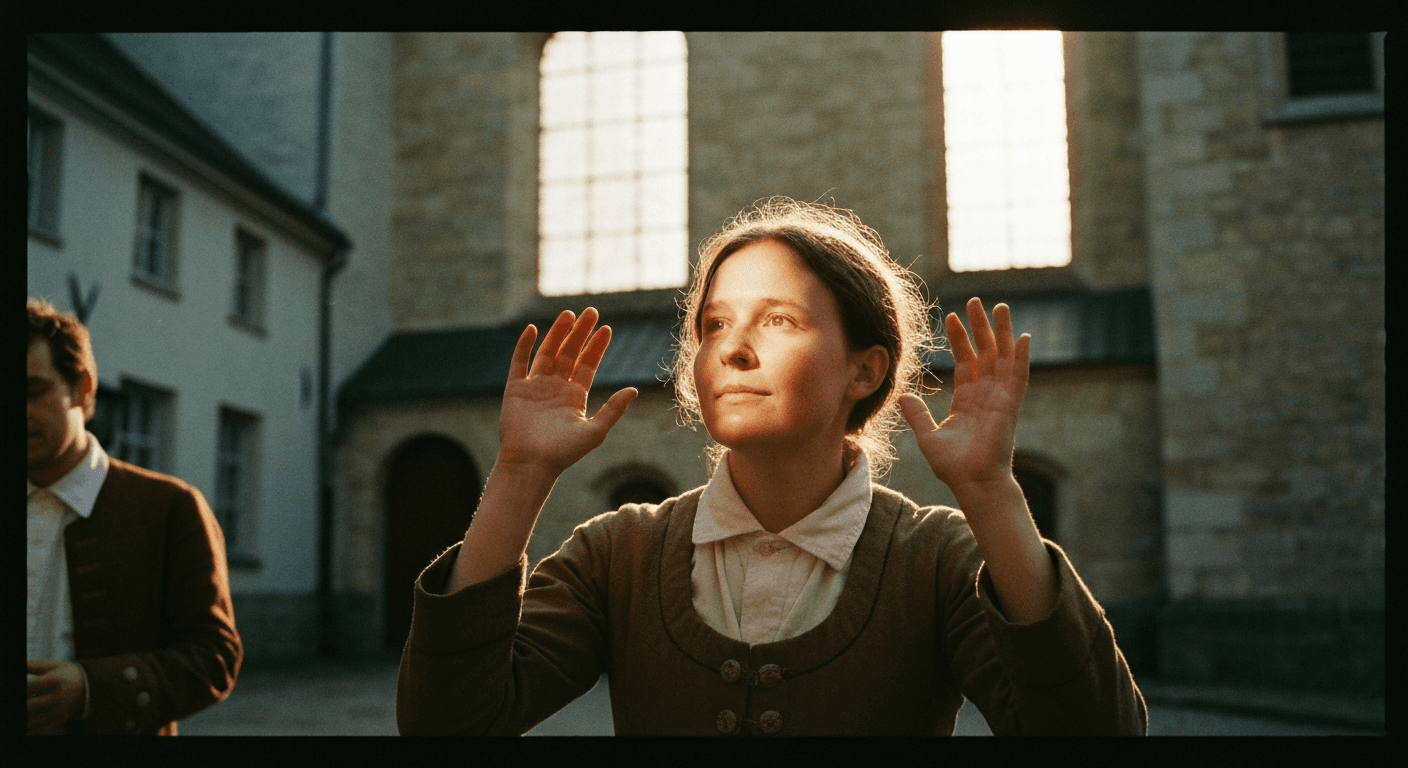
From Cobbler to Missionary Calling
William Carey, born on August 17, 1761, in Paulerspury, Northamptonshire, England, began his journey from humble beginnings. As a young man, he worked as a cobbler and faced numerous hardships, including poverty and a lack of formal education. However, at the age of 18, Carey's life took a pivotal turn when he embraced faith in Jesus and was baptized. This newfound faith sparked a passion within him that would eventually lead to a global impact.
Challenging the Church to Missions
Despite initial skepticism from some Baptist leaders regarding his missionary ideas, Carey persevered. In 1792, he published *An Enquiry into the Obligations of Christians to Use Means for the Conversion of the Heathens*, urging believers to spread the Gospel across nations. His famous sermon in the same year, based on Isaiah 54:2-3, inspired many with the challenge to "Expect great things! Attempt great things!" This led to the formation of the Baptist Missionary Society.
Early Struggles in India
In 1793, Carey embarked on a missionary journey to India, arriving in Calcutta on November 11. His early years in India were fraught with difficulties, including financial struggles and personal loss. Yet, Carey remained steadfast, believing that if the Gospel flourished in India, "the wilderness will, in every respect, become a fruitful field."
Transforming India Through Faith
Carey's commitment to his mission bore fruit as he translated the Bible into multiple languages, including Bengali and Sanskrit. He established schools and Serampore College, the first degree-awarding institution in India. His efforts in social reform, particularly against the practice of sati, highlighted his dedication to improving society.
Throughout his life, Carey attributed his success to divine intervention. He once remarked, "If it is the duty of all men to believe whenever the Gospel is presented to them, it must be the duty of those who are entrusted with the Gospel to endeavor to make it known among all nations." William Carey passed away on June 9, 1834, in Serampore, leaving behind a legacy that transformed both the spiritual and social landscape of India.