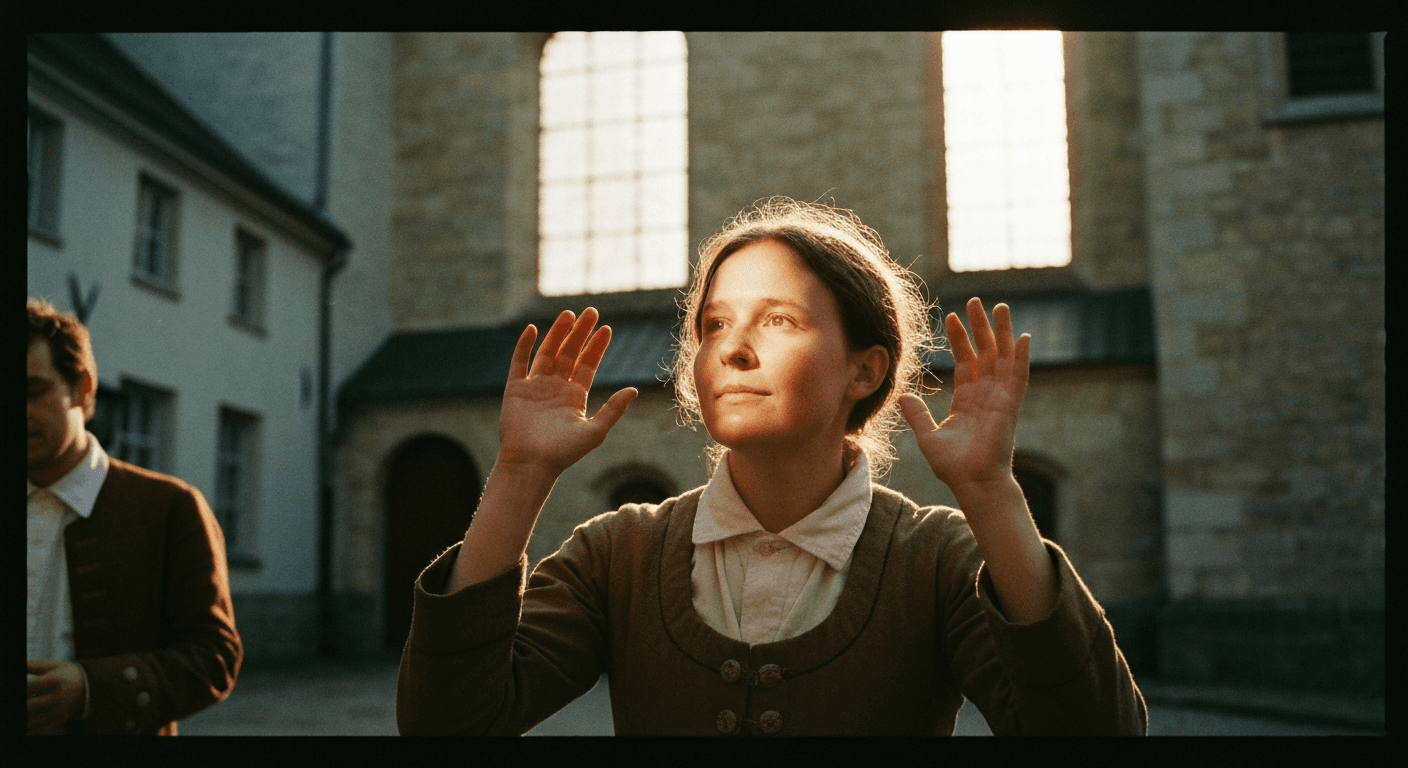
In April 1906, a one-eyed preacher named William Seymour led a small group of people in worship inside a rundown building at 312 Azusa Street, Los Angeles. What happened there would reshape global Christianity.
A Humble Beginning
Seymour had been rejected by the church that originally invited him to speak. He ended up hosting prayer and worship meetings in a home on Bonnie Brae Street. The gatherings were small, unpolished, and intense. People sang, prayed, wept, and waited. There was no programme, no famous speakers, no advertising.
During one of these worship gatherings, something shifted. People began speaking in languages they had never learned. Others reported physical healings. The news spread through Los Angeles like wildfire, and the group moved to a larger space — a former African Methodist Episcopal church on Azusa Street.
Three Years of Unbroken Worship
For the next three years, services ran almost continuously. There was no set end time. Worship would go on for hours. Seymour often sat behind a wooden crate with his head bowed, not leading from the front but praying while others sang.
The racial makeup of the gatherings was extraordinary for 1906. Black, white, Hispanic, and Asian worshippers stood side by side in a deeply segregated city. A journalist from the Los Angeles Times came to mock the meetings but left shaken. The worship created an atmosphere that dissolved social barriers that nothing else in that era could touch.
A Global Ripple
From Azusa Street, the Pentecostal movement spread around the world. Today, over 600 million people trace their spiritual heritage to what happened in that small building. And it started not with a sermon, not with a strategy, but with a group of people who chose to worship and refused to stop.
What This Means for You
You do not need a perfect building or a perfect plan. You need people willing to show up, open their mouths, and worship without watching the clock. The most significant spiritual movements in history have started exactly like that — small, overlooked, and saturated in worship.