When Iranian authorities arrest a house church leader, they almost always take the men first. The assumption is familiar: remove the head, and the body will scatter. But in Iran, something unexpected keeps happening. The women step forward. And the church does not just survive — it multiplies.
The Backbone of the Movement
Across Iran, women make up a disproportionate share of underground church leadership. This is not a theological statement about ordination. It is a practical reality: when male leaders are imprisoned, deported, or forced to flee, women keep the gatherings going. They host the meetings. They disciple new believers. They lead worship. They train others.
Organisations like Elam Ministries and Open Doors have documented this pattern repeatedly. In many Iranian house church networks, women are the primary leaders, teachers, and organisers. Some are educated professionals — doctors, engineers, lawyers — who risk their careers as well as their freedom. Others are homemakers who transform their living rooms into sanctuaries every week.
Secret Gatherings Led with Quiet Authority
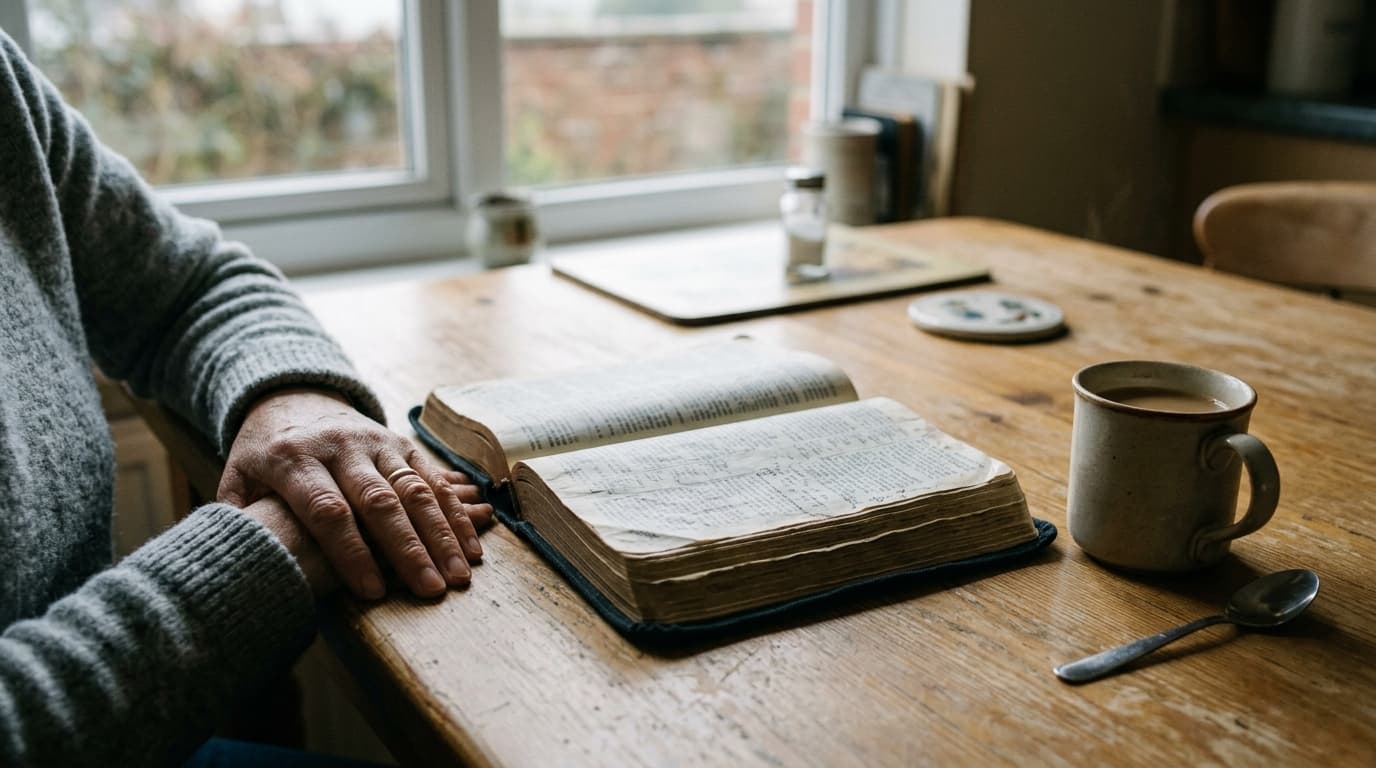
The format is simple. A small group gathers in an apartment. Curtains drawn. Music played softly or not at all. A woman opens a Bible — sometimes a physical copy, sometimes a digital one on a phone — and teaches. They pray together. They share what God is doing in their lives. They plan how to reach their neighbours.
There is no denomination, no hierarchy, no budget. The authority comes from faithfulness under fire. When a woman has risked imprisonment to gather four other women to study the Gospel of John, theological credentials become irrelevant. What matters is that she showed up.
The Cost Is Real
The stories that emerge from organisations like Article18 and Middle East Concern paint a vivid picture of the price these women pay. House church leaders have been interrogated for hours, threatened with the removal of their children, and pressured to become informants. Some have been imprisoned. Others have had their passports confiscated to prevent them from leaving.
Yet the reports consistently note the same thing: when one woman is arrested, another takes her place. The movement does not depend on any single leader. It depends on the Holy Spirit, and He keeps raising up the next person.
A Pattern God Has Used Before
The parallels run through Scripture and church history. It was women who stayed at the cross when the male disciples fled. It was women who first witnessed the resurrection. It was women who kept the early church alive in homes across the Roman Empire while apostles were imprisoned and martyred.
In Iran today, that pattern continues. The fastest-growing church in the world is being led, in large part, by women who were never supposed to lead anything. And that is exactly how God works.