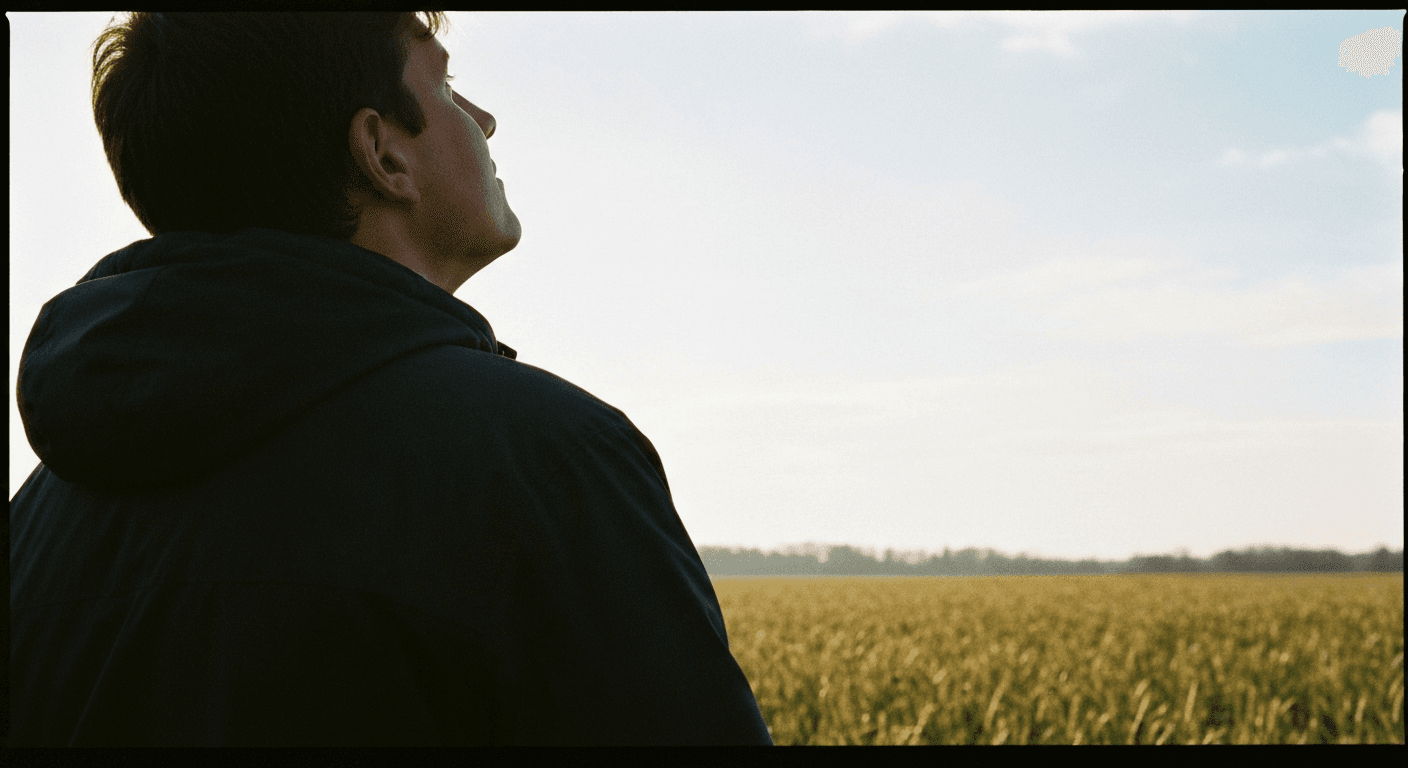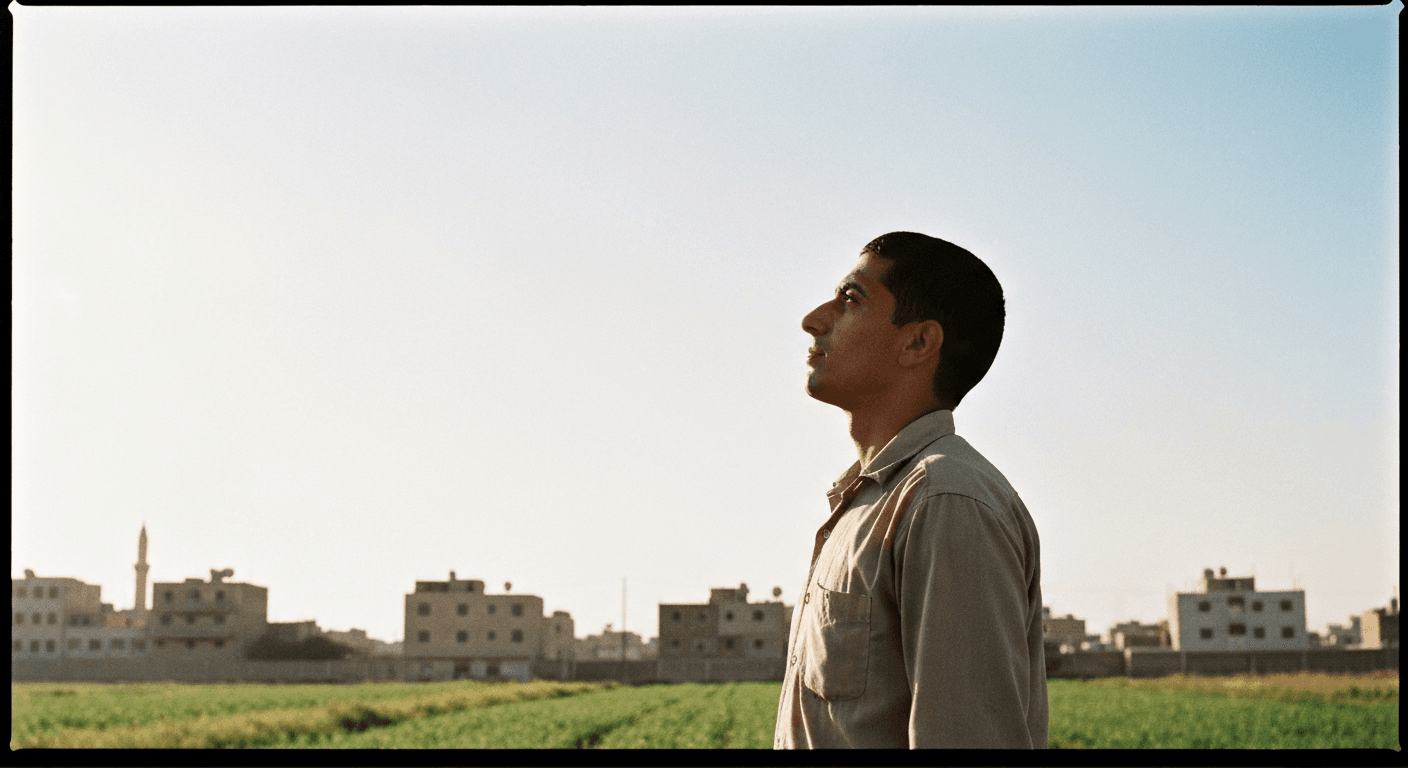
The conversion of Saul of Tarsus on the road to Damascus stands as one of the most dramatic transformations in Christian history. A zealous Pharisee who had made it his mission to destroy the early Church, Saul was traveling to Damascus with letters authorizing him to arrest followers of Jesus when everything changed.
In his own words to the Galatians, Paul later wrote: "For you have heard of my former life in Judaism, how I persecuted the church of God violently and tried to destroy it. And I was advancing in Judaism beyond many of my own age among my people, so extremely zealous was I for the traditions of my fathers."
Struck Down by a Voice From Heaven
Then came the moment that redirected the course of his life—and indeed, of Western civilization. A light from heaven, brighter than the midday sun, struck him down. He heard a voice: "Saul, Saul, why are you persecuting me?" When he asked who was speaking, the answer came: "I am Jesus, whom you are persecuting."
Blinded for three days, Saul neither ate nor drank. In Damascus, a disciple named Ananias was sent to him, despite his fears about this notorious persecutor. Ananias laid hands on him, and something like scales fell from Saul's eyes. He was baptized and began immediately to proclaim Jesus in the synagogues.
Set Apart Before Birth, Called by Grace
Paul would later reflect on this transformation: "But when he who had set me apart before I was born, and who called me by his grace, was pleased to reveal his Son to me, in order that I might preach him among the Gentiles, I did not immediately consult with anyone."
The persecutor became the preacher. The man who had stood watching approvingly as Stephen was stoned would himself endure beatings, shipwrecks, imprisonment, and ultimately martyrdom for the faith he once sought to destroy. His letters would form the theological backbone of the New Testament, and his missionary journeys would plant churches across the Roman Empire.
"I have been crucified with Christ," Paul wrote. "It is no longer I who live, but Christ who lives in me."