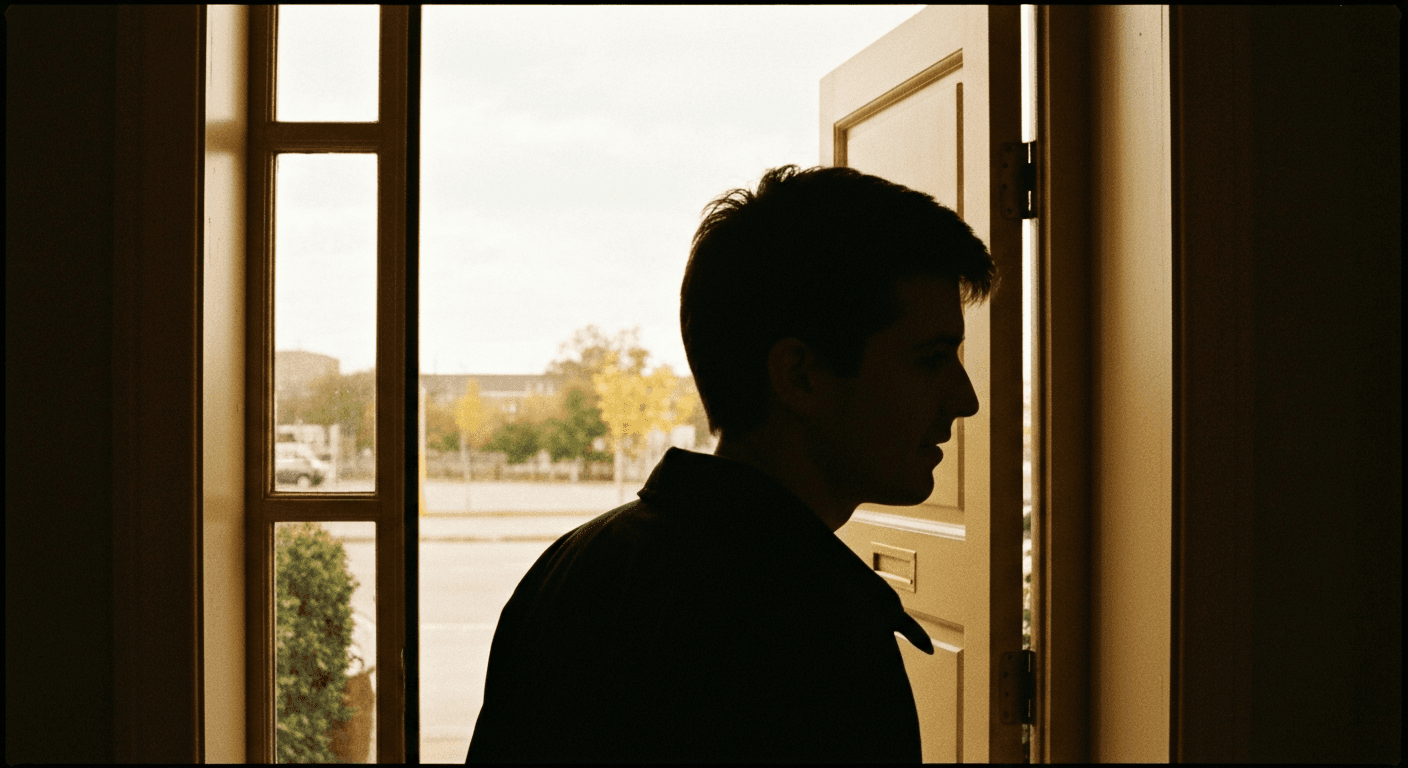
Spiritual Doubt and Physical Illness
On the morning of Whitsunday, May 21, 1738, Charles Wesley lay ill in bed at the home of John Bray in London. He had returned from a difficult mission in Georgia spiritually troubled and physically weakened by pleurisy. For years he had sought assurance of his salvation, but peace eluded him.
A Bold Declaration of Faith
As he lay there that morning, a woman named Mrs. Musgrave entered his room. She was the sister of John Bray, and she spoke with striking authority: "In the name of Jesus of Nazareth, arise, and believe, and thou shalt be healed of all thy infirmities."
Charles Wesley's Whitsunday Spiritual Awakening
Charles struggled within himself. The Spirit of God strove with his own spirit. "By degrees He chased away the darkness of my unbelief," Charles later wrote in his journal. "I found myself convinced, I know not how, or when... I found myself at peace with God, and rejoiced in hope of loving Christ."
The transformation was profound. Charles, who had been tormented by doubt and spiritual darkness, now possessed the assurance he had desperately sought. He wrote in his journal that day: "I now found myself at peace with God, and rejoiced in hope of loving Christ. My temper for the rest of the day was mistrust of my own great, but before unknown, weakness; a desire to be alone, where I might freely converse with God."
A Legacy of Praise
The very next day, May 22, 1738, Charles composed his first hymn - the first of what would become over 6,500 hymns that would shape Christian worship for centuries to come. Three days later, his brother John would have his own heart "strangely warmed" at Aldersgate Street.
Charles Wesley's Whitsunday conversion became the wellspring from which flowed some of the most beloved hymns in Christian history. His testimony stands as a witness that God meets us in our darkest moments of doubt and transforms them into fountains of praise.