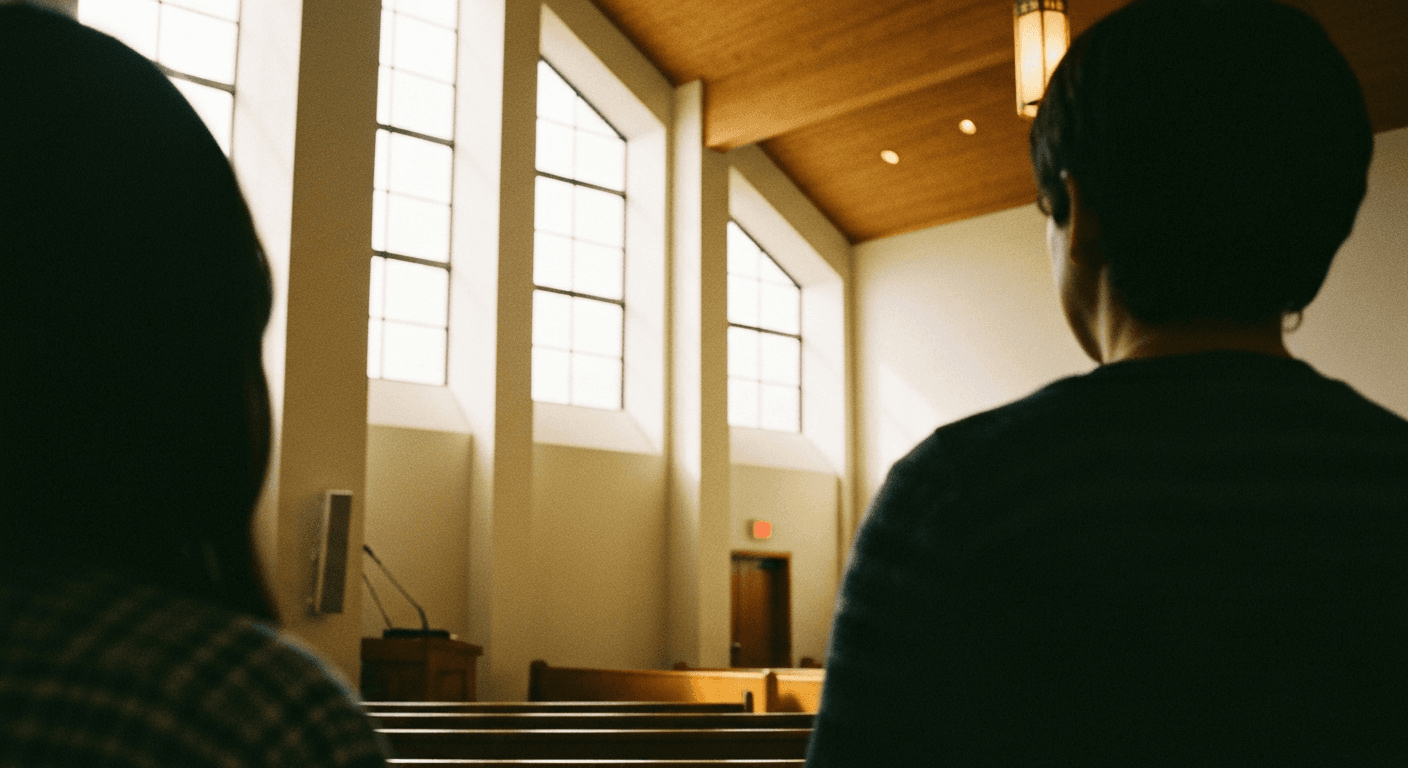
For decades, churches were among the last places a person struggling with mental illness would seek help. The stigma was real, thick, and sometimes fatal. Depression was a faith failure. Anxiety was distrust in God. Medication was a crutch for the weak. Therapy was worldly. And people suffered in silence, surrounded by others who were also suffering in silence.
The Shift That Is Changing Everything
Something has shifted. It is not complete. It is not universal. But it is unmistakable. Across denominations, continents, and theological traditions, churches are tearing down the wall between faith and mental health. And the change is being led not by theologians but by pastors, churchgoers, and leaders who decided to go first by being honest about their own struggles.
When Rick Warren spoke publicly about his son's suicide, it gave millions of churchgoers permission to talk about mental illness. When Jarrid Wilson, a pastor and mental health advocate, died by suicide in 2019, the church was forced to reckon with the reality that faith does not guarantee immunity from despair. When Christine Caine, Louie Giglio, and other prominent Christian leaders openly discussed their experiences with anxiety and depression, the stigma began to crack.
But the real revolution is not happening on stages. It is happening in small groups, in prayer rooms, in after-service conversations where ordinary believers are saying — for the first time — "I have depression" or "I have panic attacks" or "I am seeing a therapist and I am not ashamed."
Churches Building Infrastructure
The shift is not just cultural. It is structural. Churches are hiring licensed counsellors on staff. They are creating mental health ministries alongside their worship, children's, and missions teams. They are offering DivorceCare, GriefShare, and mental health-specific support groups as standard church programming.
In the United States, the National Alliance on Mental Illness (NAMI) has partnered with churches to deliver its faith-based programme, FaithNet, which trains congregations to support members with mental illness. In the UK, Kintsugi Hope, founded by Patrick Regan, runs wellbeing groups in churches across the country, providing a safe space for people to process pain using both faith and practical tools.
In Africa and Asia, where professional mental health services are scarce, churches are often the only available support system. Pastors in Nigeria, Kenya, and the Philippines are being trained in basic mental health first aid, recognising that the congregation they preach to on Sunday includes people who are silently battling conditions they do not even have language for.
What Changed the Culture
Several factors converged. The global mental health crisis worsened — rates of anxiety and depression surged during and after the COVID-19 pandemic, including among churchgoers. The younger generation refused to accept the stigma: Gen Z and millennial Christians came into churches expecting openness about mental health and left churches that did not provide it. Social media gave a platform to Christians who were both faithful and honest about their struggles, normalising the conversation at scale.
And perhaps most significantly, the theology caught up. A new generation of pastors and teachers began preaching what the Bible actually says about suffering: that the Psalms are full of despair, that Elijah asked to die, that Jesus Himself wept and was "overwhelmed with sorrow to the point of death." Mental illness is not a sign of weak faith. It is part of the human experience in a broken world, and the church exists to meet people in it.
Still Work to Do
The stigma is not gone. In many churches — particularly in certain cultural contexts — mental illness is still whispered about, still prayed away rather than treated, still confused with demonic oppression. But the direction is clear. The silence is breaking. And the church is discovering that honesty about brokenness does not weaken faith — it deepens it.