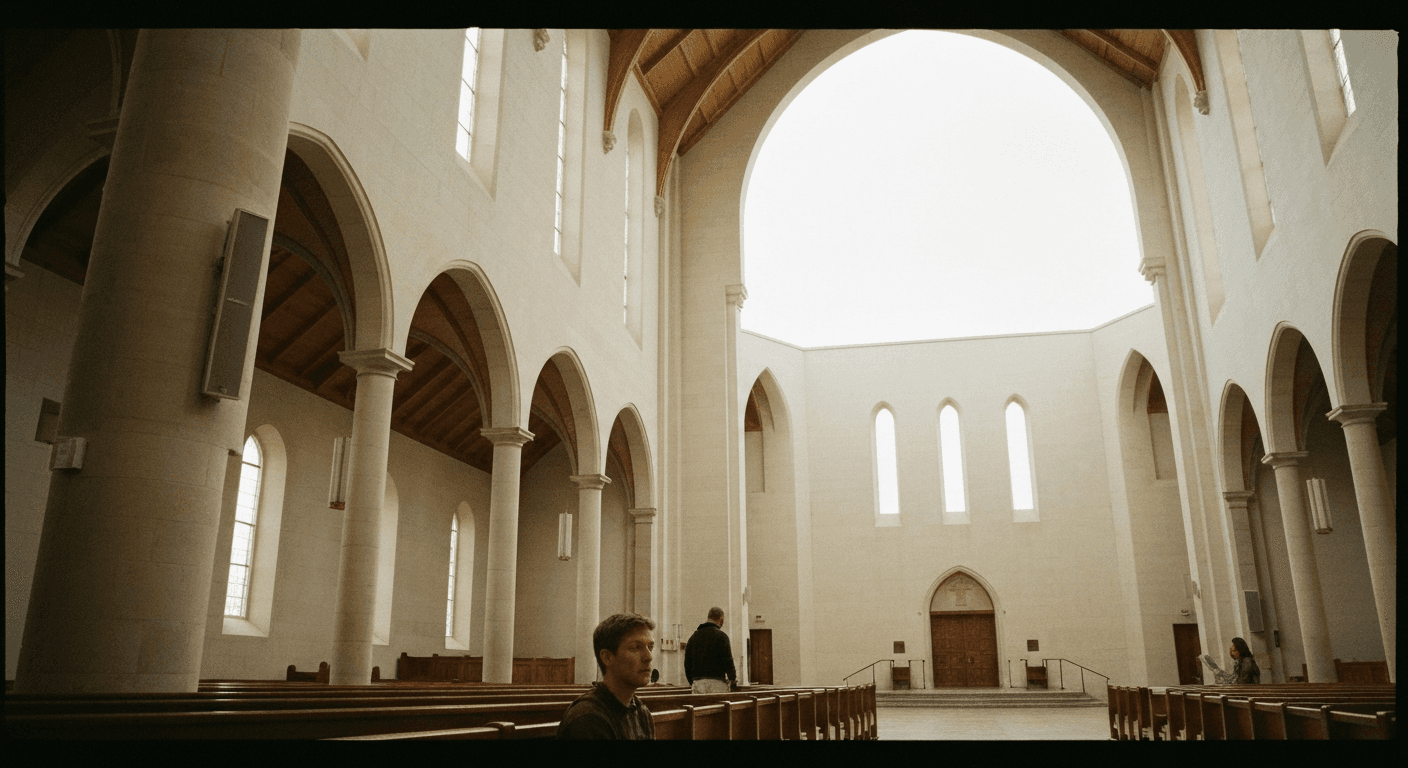
In the spring of 1212, an eighteen-year-old noblewoman named Clare di Favarone sat in the Cathedral of San Rufino in Assisi, her heart pounding beneath her fine clothes. It was Palm Sunday, and the bishop was distributing palm branches to the faithful. When Clare's turn came, she found herself frozen in her seat, unable to move forward.
The Palm Sunday Calling
The bishop noticed. In an extraordinary gesture, he descended from the altar and placed the palm directly into her trembling hands. It was as if God Himself was confirming what she had already decided: tonight, she would leave everything behind.
Clare had been drawn to the Gospel life preached by a young man named Francis. Through secret meetings arranged by a trusted friend, she had heard Francis speak of Lady Poverty—of following Christ with nothing but faith. His words ignited something that her wealthy, comfortable life had never touched.
Leaving Wealth for God
That night, after her family had fallen asleep, Clare slipped out through a side door—later called the "door of the dead" because it was normally used only for carrying out corpses. She ran through the dark streets and olive groves until she reached the little chapel of the Portiuncula, where Francis and his brothers waited with torches.
There, in the flickering light, Francis cut off her beautiful golden hair. She exchanged her fine garments for a rough habit. The nobleman's daughter became a bride of Christ.
"In the Lord Jesus Christ," Clare would later write in her testament, "I admonish and exhort all my sisters, both those present and those to come, to strive always to imitate the way of holy simplicity, humility and poverty and to preserve the integrity of our holy way of living, as we were taught from the beginning of our conversion by Christ and our blessed father Francis."
Her family was furious. They came to retrieve her by force, but Clare clung to the altar cloth and showed them her shorn head—the irrevocable sign of her consecration. Eventually, even they had to accept that she had made her choice.
A Legacy of Holy Poverty
Clare founded the Order of Poor Ladies, later known as the Poor Clares. She spent forty years fighting to preserve what she called the "privilege of poverty"—the radical right to own nothing at all. Popes and cardinals tried to soften her rule, to provide security and endowments. Clare refused them all.
Her Rule, approved by Pope Innocent IV just two days before her death in 1253, was the first in Church history written by a woman for women. The girl who had received a palm from the bishop's own hands had spent her life reaching for the only treasure that mattered: Christ Himself, in all His beautiful poverty.