Standing Against Tyranny
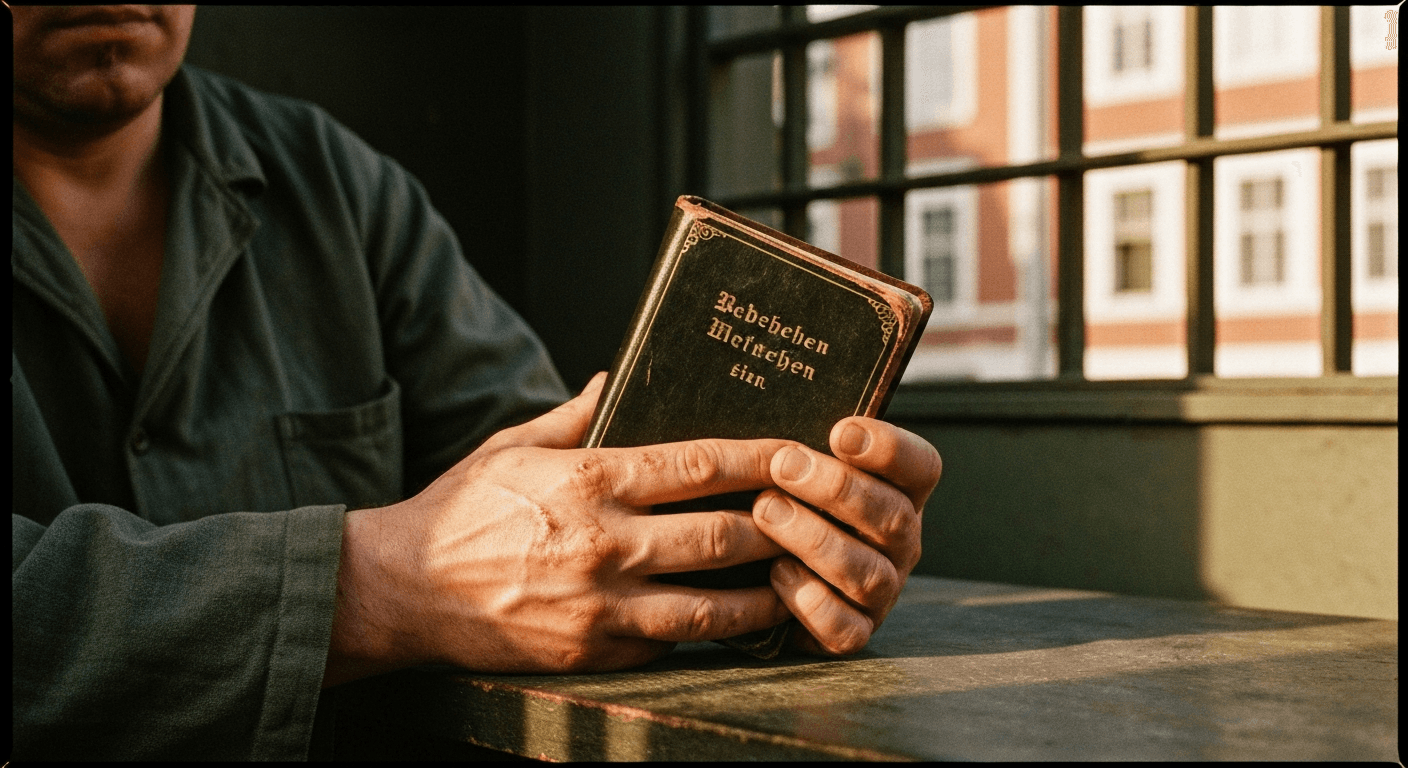
Dietrich Bonhoeffer, a Lutheran pastor and theologian, stood unwavering against the tyranny of the Nazi regime. Arrested on April 5, 1943, for his role in a plot to assassinate Adolf Hitler, Bonhoeffer found himself in the grim confines of Tegel Military Prison in Berlin. Later, he was moved to the dreadful conditions of Buchenwald and Flossenbürg concentration camps. Despite the dire circumstances, Bonhoeffer's faith did not waver. In his letters from prison, he mused deeply on the future of humanity and the responsibilities of a committed Christian. He wrote, 'The ultimate question for a responsible man to ask is not how he is to extricate himself heroically from the affair, but how the coming generation is to live.'
Come and Die
Bonhoeffer's resistance to Nazi ideologies was not just theoretical. He was actively involved in the Confessing Church, opposing the regime's interference in religious affairs. His book, 'The Cost of Discipleship,' encapsulates his belief that true faith demands sacrifice, famously stating, 'When Christ calls a man, he bids him come and die.' His willingness to stand by these convictions, even at great personal risk, demonstrated his profound commitment.
Silence Is Itself Evil
Although Bonhoeffer's earthly journey ended on April 9, 1945, when he was executed by hanging, his legacy and writings continue to inspire. His courage and deep faith in the midst of persecution serve as a testament to the enduring power of conviction and belief. Bonhoeffer's life encourages us to stand firm in our beliefs, to speak and act against injustice, for as he is often quoted, 'Silence in the face of evil is itself evil.'