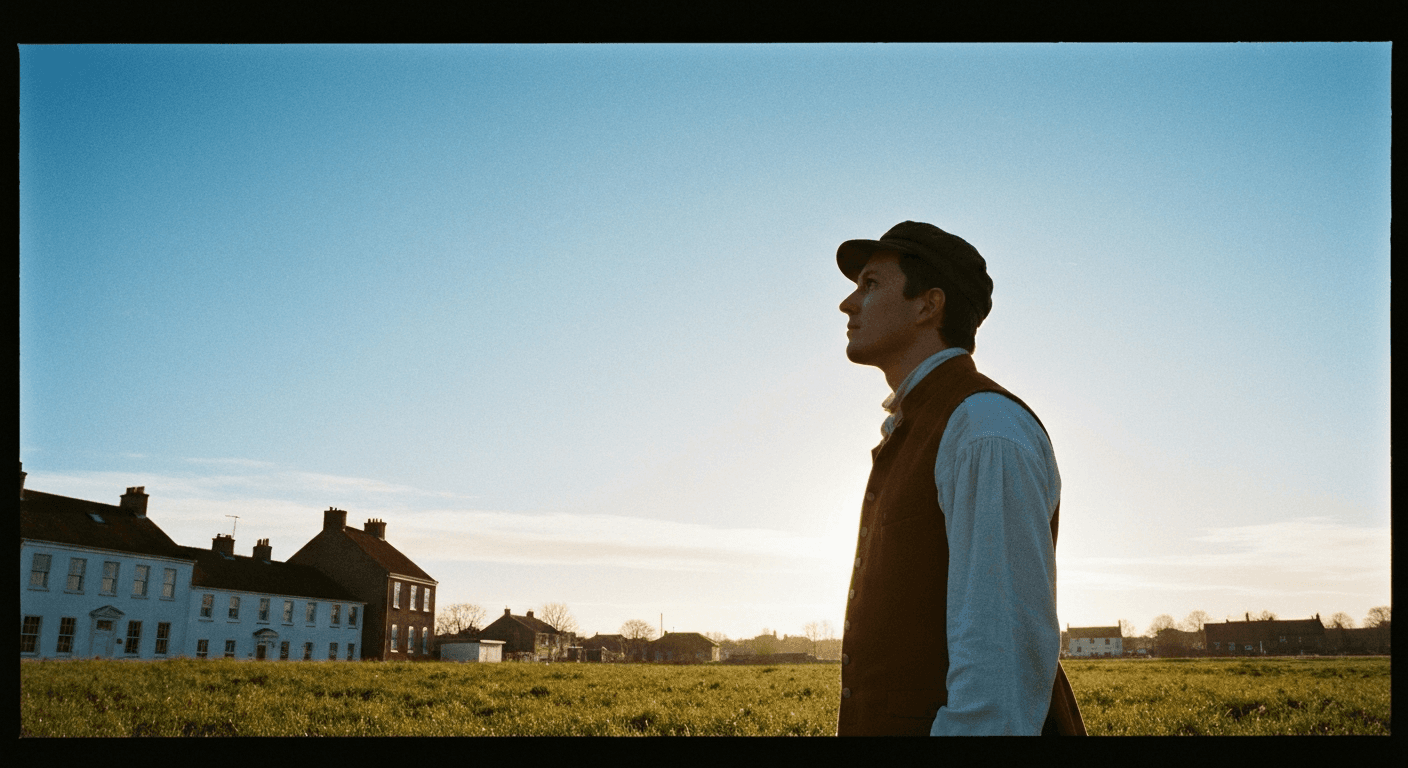
David Livingstone's life is a testament to unwavering faith and dedication to Jesus. Born on March 19, 1813, in Blantyre, Scotland, into a humble but devout family, Livingstone worked long hours in a cotton mill from the age of ten. Despite this, he pursued education in the evenings, studying subjects like theology and botany. At age 12, he experienced a profound conviction of sin and committed his life to Christ, choosing to alleviate human suffering as his mission.
Called to African Mission Work
Inspired by the love of Jesus, Livingstone felt compelled to become a missionary. Initially accepted by the London Missionary Society for work in China, his path shifted to Africa due to geopolitical circumstances. He arrived in Cape Town in 1841, immersing himself in the Tswana culture and language. His marriage to Mary Moffat in 1845 and their subsequent work at various mission stations demonstrated his commitment to both family and faith.
God's Protection During Exploration
Livingstone's exploration was driven by his desire to combat the horrors of the slave trade through legitimate commerce and the spread of Christianity. His journeys across Africa, including the discovery of the Zambezi River and Victoria Falls, were more than geographic feats; they were part of his broader mission to bring the message of Jesus to the heart of Africa. Despite personal tragedy, such as the loss of his wife Mary, Livingstone's faith never wavered. He often prayed for divine presence and protection, and stories of miraculous interventions, like the tale of the "39 warriors," highlight the power of prayer in his life.
Faith's Lasting Impact on Africa
In the final years of his life, Livingstone continued to explore and seek the source of the Nile, all while aiming to end the slave trade. His encounter with journalist Henry Stanley in 1871 became legendary. Livingstone's unwavering faith left a profound impact, inspiring many, including Stanley, to embrace Christianity.
David Livingstone passed away in prayer on May 1, 1873, near Lake Bangweulu. His heart was buried under an African tree, symbolizing his love for the continent and its people. His body was returned to England, where he was honored with burial in Westminster Abbey. Livingstone's legacy lives on as a beacon of faith and dedication to Jesus, who guided his every step.