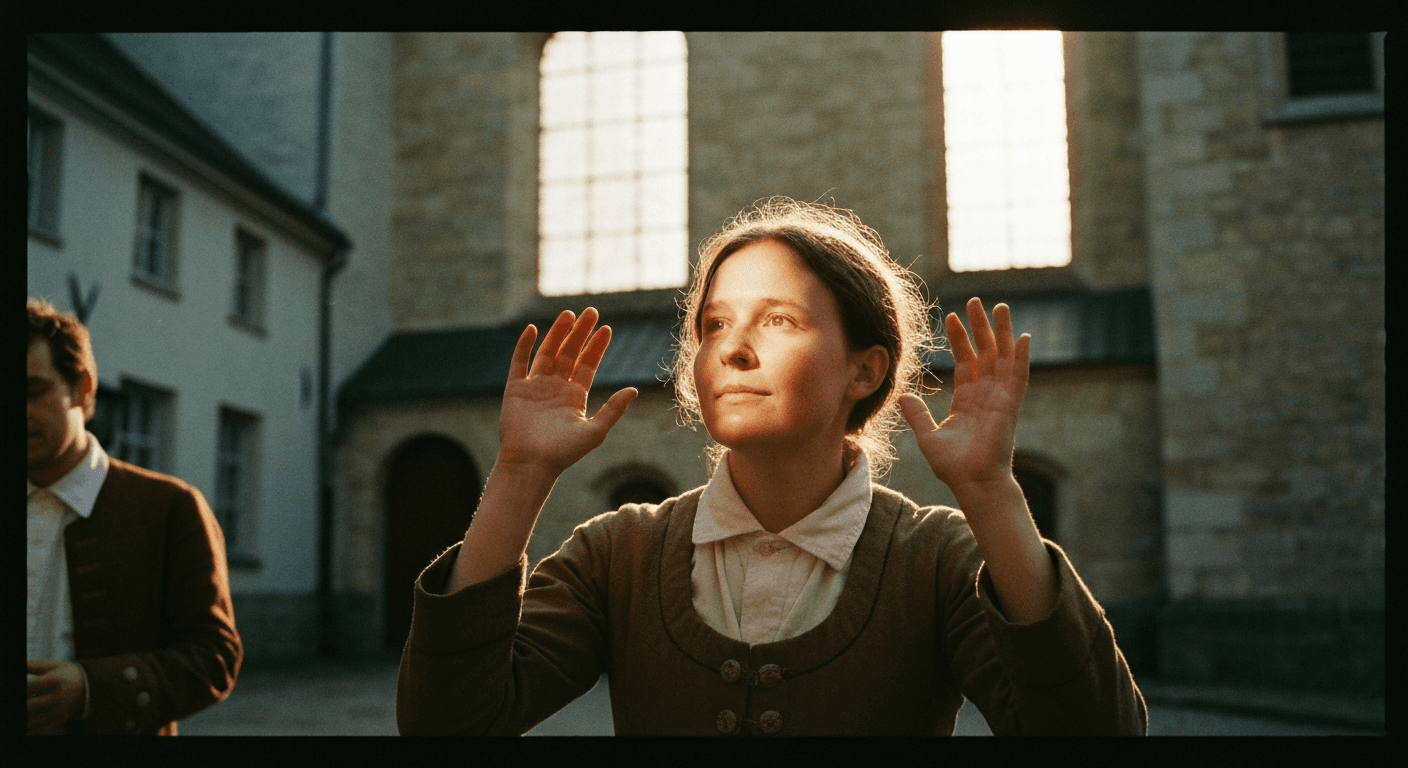
From the Cotton Mill
Born on March 19, 1813, in Blantyre, Scotland, David Livingstone was no stranger to hardship. From a young age, he worked long hours in a cotton mill, yet he was determined to educate himself, investing his wages in books and learning by candlelight. Raised in a devout Christian home, Livingstone's faith was integral to his life. At 12, he experienced a profound personal conviction and dedicated his life to alleviating human suffering.
Called to Africa
Inspired by the call for medical missionaries, Livingstone pursued studies in theology and medicine in Glasgow. Accepted by the London Missionary Society, he planned to serve in China, but geopolitical conflicts led him to Africa. In 1841, he arrived in Cape Town, beginning a journey that would forever change not only his life but also the lives of countless others.
Against the Slave Trade
Livingstone's expeditions through Africa were driven by a desire to spread Christianity and open trade routes, hoping these would replace the slave trade. He witnessed the horrors of slavery and became a passionate abolitionist. His exploration led him to discover Lake Ngami and Victoria Falls, which he named in honor of Queen Victoria.
Send Me Anywhere
Despite facing illness, the loss of his wife Mary, and numerous challenges, Livingstone's faith remained steadfast. "God, send me anywhere, only go with me," he prayed, reflecting his unwavering commitment to his calling. His prayer life was central to his perseverance, and even in his final moments, he was found kneeling by his bedside in prayer. Livingstone passed away on May 1, 1873, in present-day Zambia. His heart was buried in Africa, symbolizing his deep love for the continent and its people, while his body was laid to rest in Westminster Abbey. His legacy endures through the routes he opened and his contributions to the abolitionist movement, all driven by a passionate faith in Jesus Christ.