A Privileged Beginning
Born on February 4, 1906, in Breslau, Germany, Dietrich Bonhoeffer was raised in a privileged family. He began his theological studies in 1923 at Tubingen University and pursued further education at Union Theological Seminary in New York City in 1930-1931. It was in America that Bonhoeffer encountered the harsh realities of racism, particularly within Harlem's Abyssinian Baptist Church, deepening his understanding of social justice.
Leading the Underground Seminary
Upon returning to Germany in 1935, Bonhoeffer led an underground seminary for the Confessing Church at Finkenwalde. The Gestapo shut down the seminary in 1937, marking a pivotal moment in his life. Bonhoeffer's theology, deeply rooted in the concept of 'costly grace', demanded active resistance against evil, a conviction that would guide his actions during the Nazi regime's rise.
From Pacifism to Resistance
Bonhoeffer initially embraced pacifism but, faced with the atrocities of the Nazi government, he concluded that action was necessary to combat such evil. His resistance took many forms, including participation in the Confessing Church and involvement in the German resistance movement. Despite the risks, Bonhoeffer returned to Germany in 1939, feeling compelled to stand with his fellow Christians.
The End Is the Beginning
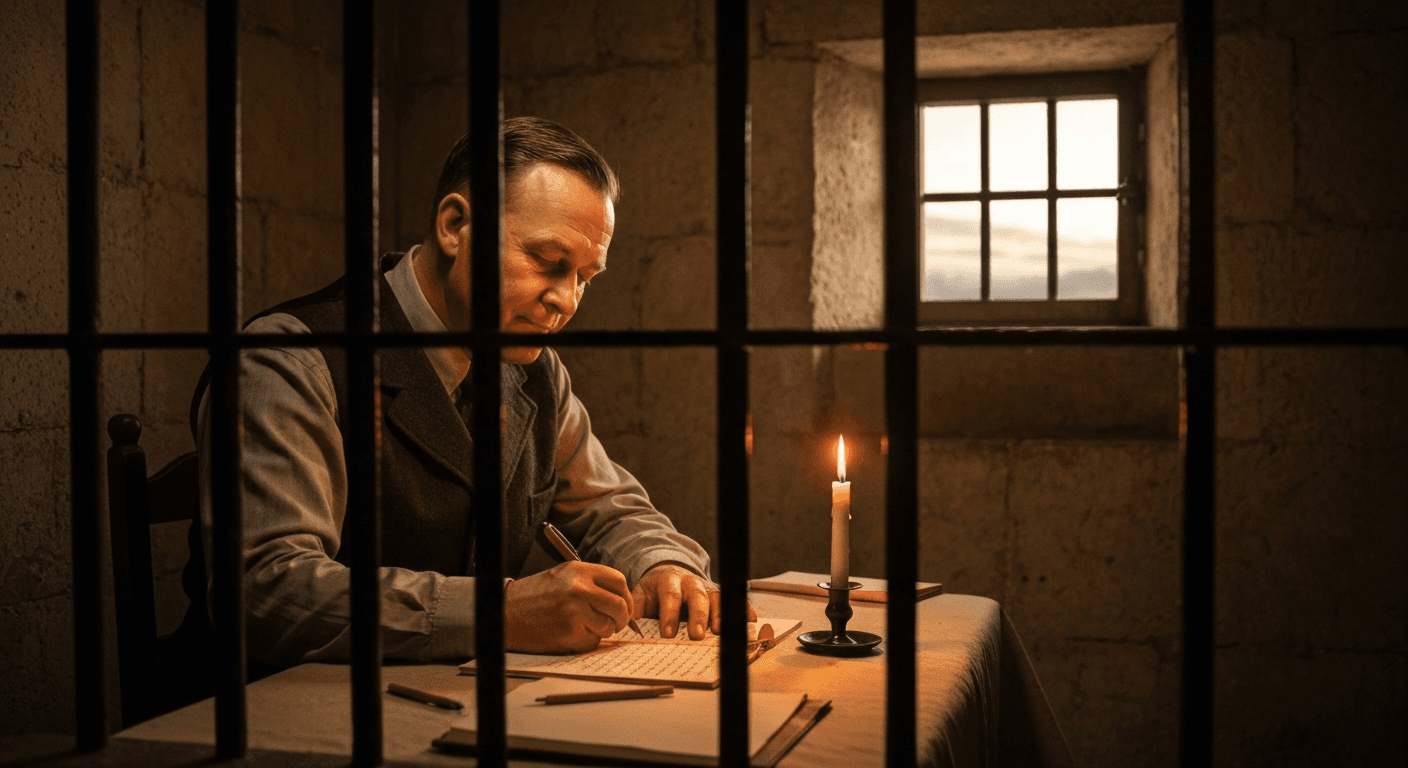
Arrested by the Gestapo on April 5, 1943, Bonhoeffer spent his imprisonment reflecting deeply on faith and suffering. His writings from this time, particularly *Letters and Papers from Prison*, reveal a profound faith and an unwavering commitment to God. On April 9, 1945, Bonhoeffer was executed at Flossenbürg concentration camp. His final words reportedly were, 'This is the end—for me, the beginning of life.'
Bonhoeffer's life was a testament to the power of faith in action. His devotion to justice and truth, even at the cost of his life, exemplifies the call to live out one's beliefs with courage and integrity. Jesus' teachings guided him, and his martyrdom continues to inspire believers to act against injustice. As Bonhoeffer once wrote, 'When Christ calls a man, he bids him come and die.' His legacy is a reminder of the transformative power of costly grace.