Under Soviet Oppression
In the heart of Latvia, during the oppressive Soviet era, a resolute group of Baptist believers clung tightly to their faith. Despite facing systematic religious repression, they found solace in their unwavering trust in Jesus. The Soviet regime, from the time it first occupied Latvia in 1940 until the nation's independence in 1991, was determined to extinguish any form of religious expression. Churches were closed, ministers were interrogated and tortured, and many were deported to Siberian labor camps.
Refusing to Renounce
Among the faithful was Pastor Ephriam Smits' father, who, like many others, refused to renounce his faith despite the constant threat of persecution. The Soviet authorities banned public worship and religious education, turning many churches into secular venues. Yet, these acts only intensified the believers' resolve to keep their faith alive.
Secret Gatherings
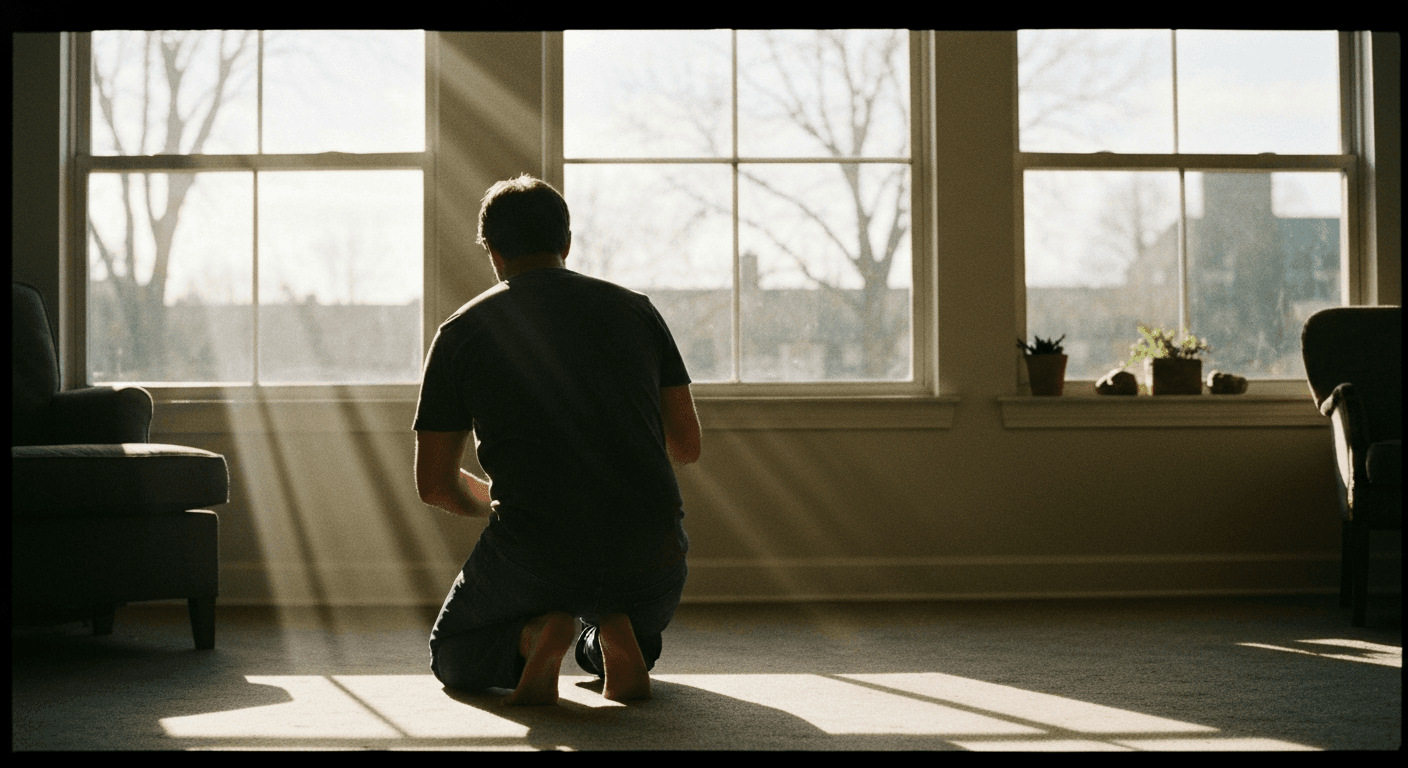
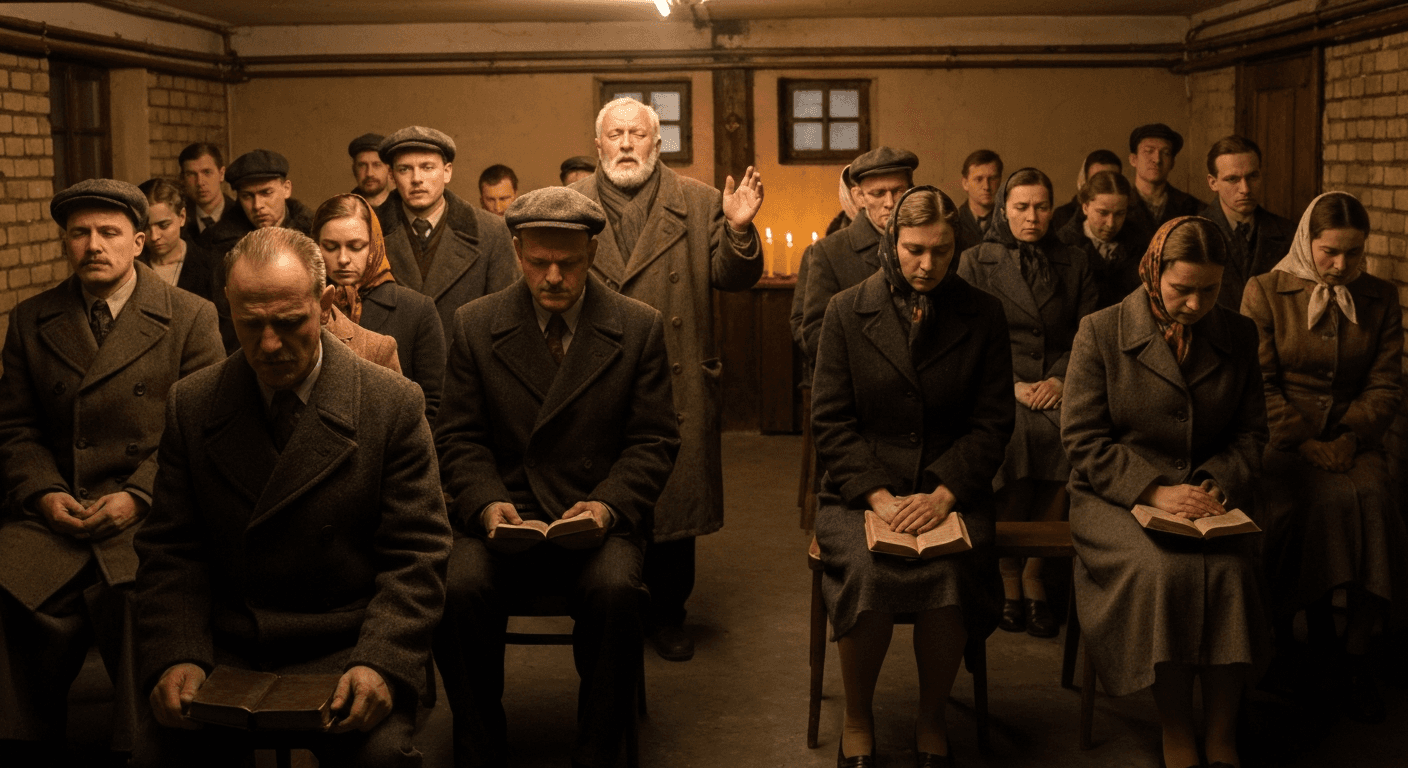
In secret gatherings, often held in the dimly lit basements or secluded rural homes, they would sing hymns and read the Bible, ever aware of the danger of discovery. As one Old Believer reflected, 'I wanted to pray, I believed in God, and during that time, I prayed, too, in secret, but prayed.' These gatherings were more than acts of defiance; they were vital lifelines that nurtured their spiritual endurance. The Soviet era saw many Latvian Baptists live double lives, outwardly conforming to communist demands while inwardly holding fast to their convictions. Despite the closure of youth groups and seminaries, Baptists like Jānis Tervits continued to compile and distribute underground literature, ensuring the teachings of Christ endured.
Emerging from the Shadows
As the Soviet grip weakened in the late 1980s, Latvia reclaimed its independence in 1991. The Baptist community emerged from the shadows, ready to rebuild and revive. Churches reopened, and new initiatives like the Latvian Christian Radio and the Baltic Pastoral Institute took root, all testifying to God's enduring faithfulness. The story of Latvian Baptists under Soviet persecution is a profound testament to the power of faith. Even in the darkest times, their trust in Jesus provided a light that no earthly power could dim.