The Fall of Mosul
In June 2014, the city of Mosul in Iraq fell under the control of ISIS, marking the beginning of a dark period for the Christian community there. Christians were faced with a harrowing ultimatum: convert, pay a tax, leave, or face death. As Father Zakaria, a Syriac Orthodox priest, recounted, 'My name was the first on the list... ISIS put the poster on walls and mosques.' The Christian homes were marked with the Arabic 'N' for Nasrani, signifying their faith.
Fleeing with Nothing
Bushra, a widow who fled Mosul, described the desperation of fleeing with only the clothes on her back. 'While leaving, ISIS stopped us and took the little amount of money we had, our house keys, and our official documents. They took our jewels and money; how can we return to live with them? They would kill us.' This fear was all too real, as many who refused to convert faced execution.
Faith in Captivity
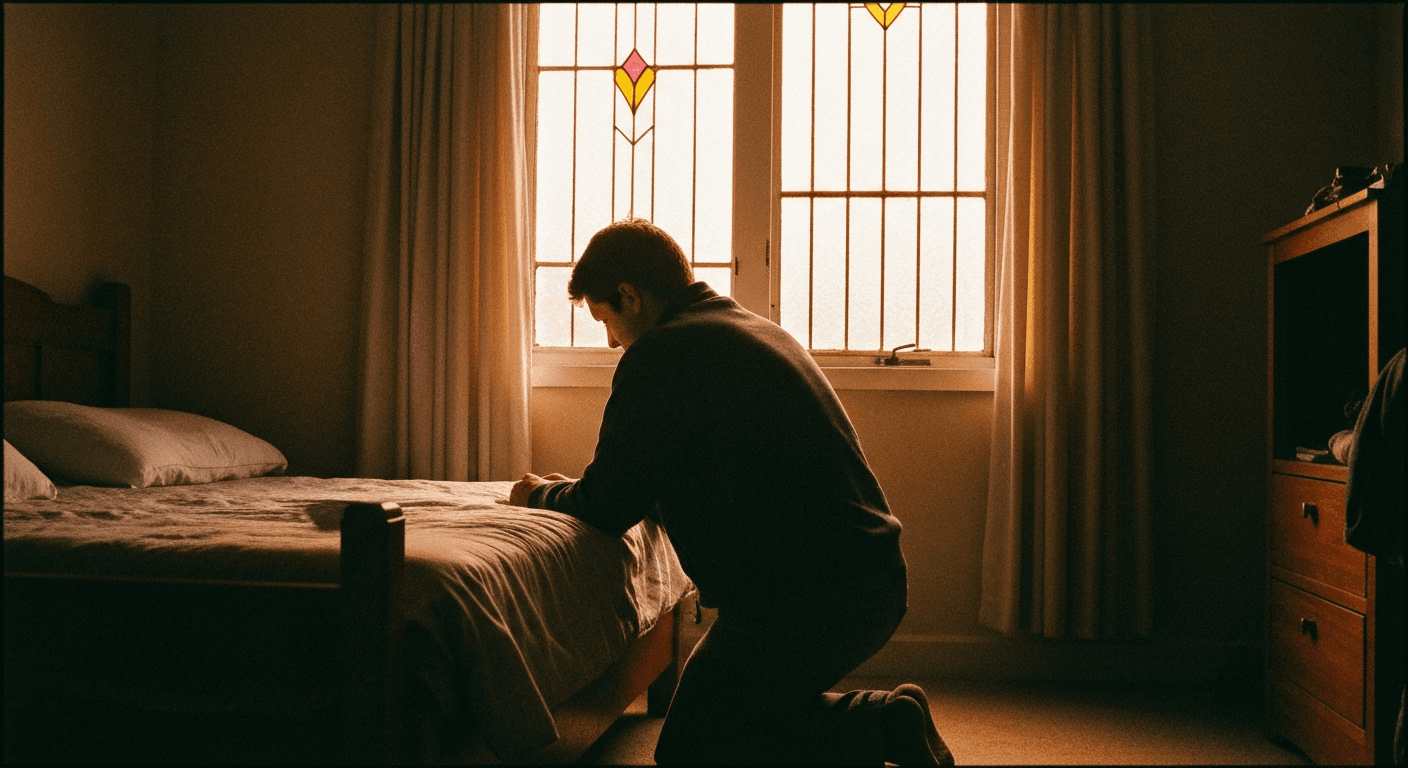
Amidst such terror, stories of faith and transformation emerged. Jacob Nazar, a humanitarian worker, found himself captured by ISIS. Yet, even in captivity, he prayed for his captors, saying, 'Father forgive them for they know not what they do.' Remarkably, some of his captors, moved by dreams of voices and light, renounced their beliefs and sought to know Jesus.
Rebuilding Hope
Despite the destruction, the Christian community began the painstaking process of rebuilding. Father Raed Adel emphasized, 'We are peacemakers... The Pope visited to say that we are against murder and terrorism. Today, the city is being rebuilt.' As Archbishop Warda noted, 'All those sad and terrifying memories are still there, but at least [the Christian families] can start building and see that the future is in [their] hands.'
In the face of persecution, their faith remained a beacon of hope, a testament to Jesus' enduring presence and intervention.
