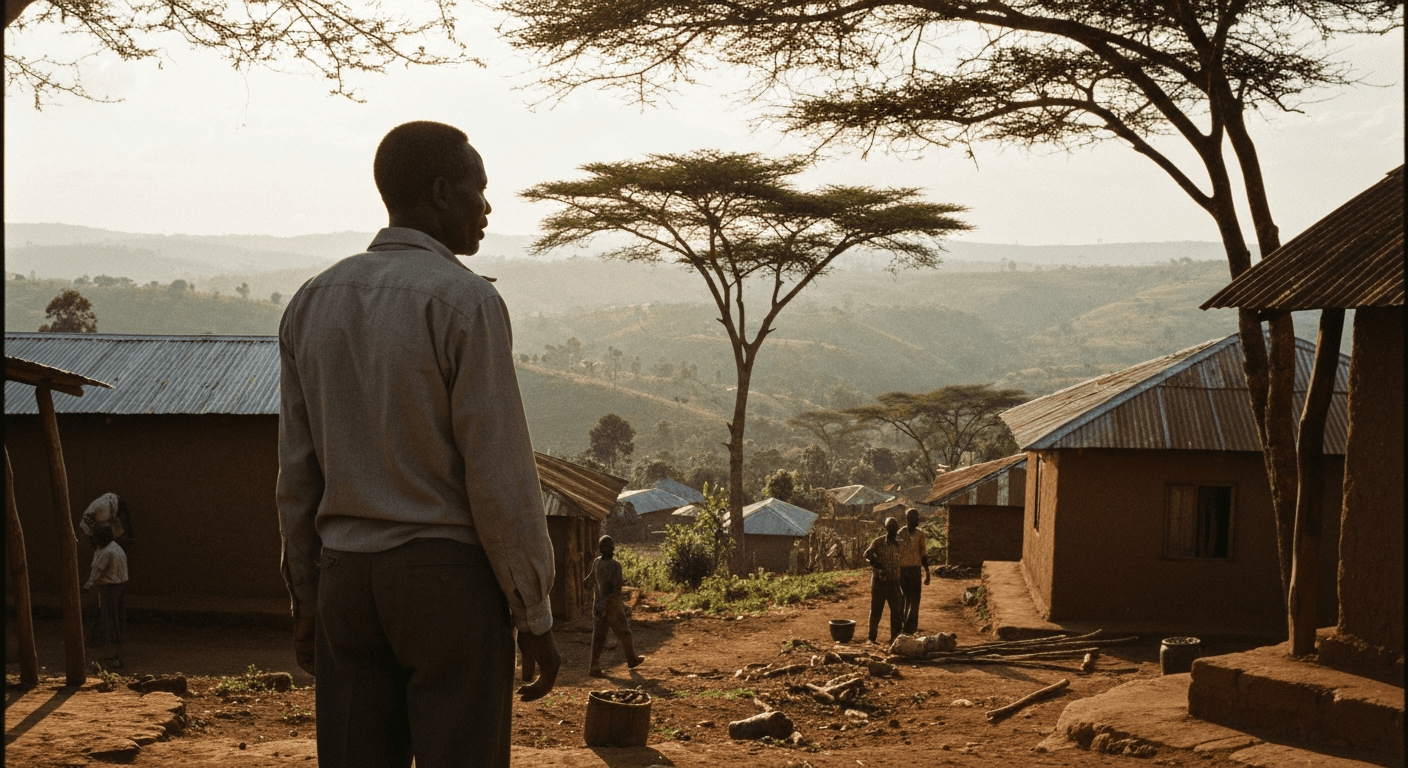
Idi Amin's Terror
In the tumultuous era of Idi Amin's brutal regime in Uganda, the Christian community faced unspeakable persecution. Under Amin's rule from 1971 to 1979, human rights abuses and extrajudicial killings were rampant, with an estimated 100,000 to 500,000 people losing their lives. Christians, viewed as threats by Amin, suffered greatly, and the murder of Archbishop Janani Luwum in 1977 marked a significant moment of terror and grief.
Festo Kivengere: The Billy Graham of Africa
Amidst this darkness, Festo Kivengere emerged as a beacon of hope and faith. Born in 1919 in southwestern Uganda, Kivengere embraced Christianity in 1939. His passionate faith journey led him to become the Anglican Bishop of Kigezi, and he was often referred to as the "Billy Graham of Africa." Known for his powerful ministry and evangelism, Kivengere took a bold stand against Amin's oppressive actions.
Confronting the Regime
When three men from his diocese were executed in 1973, Kivengere confronted the regime, risking his own life to speak out. The assassination of Archbishop Luwum heightened the threats against him, forcing Kivengere and his family to flee to Rwanda. Despite the danger, Kivengere chose a path of forgiveness. In his book "I Love Idi Amin," he shared his resolve: "On the cross, Jesus said, 'Father, forgive them, because they don't know what they are doing.' As evil as Idi Amin was, how can I do less toward him?"
A Legacy of Forgiveness
This profound forgiveness was not an act of excusing evil but a release from bitterness, allowing Kivengere to continue his ministry with love. His message of forgiveness and love inspired many during a time of great suffering, illustrating the power of a faith that transcends hatred. Upon Amin's fall, Kivengere returned to Uganda, continuing his ministry until his death in 1988. His legacy, marked by forgiveness and a deep commitment to his faith, remains a testament to the power of divine intervention and the enduring impact of the Uganda Martyrs.