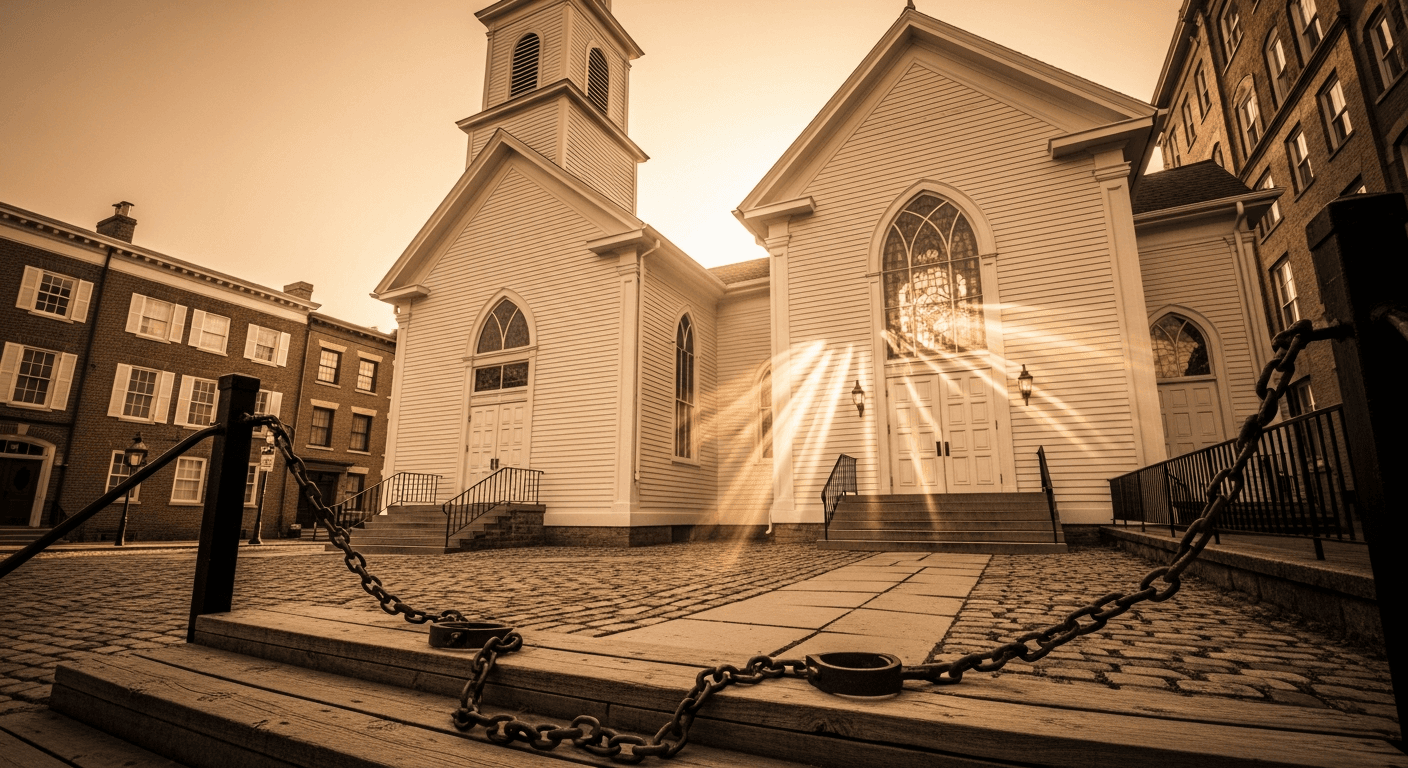
Born into Slavery's Chains
Born into the chains of slavery in Cordova, Maryland around 1818, Frederick Douglass faced the brutal realities of a world where oppression and injustice were commonplace. As a child, he was vulnerable and without hope, longing for protection and a sense of belonging. However, a pivotal moment came when he encountered the preaching of a white Methodist minister named Hanson. Douglass recalled, "I was not more than thirteen years old when, in my loneliness and destitution, I longed for some one to whom I could go, as to a father and protector." This encounter kindled a spark of faith within him, leading to his conversion to Christianity.
Finding True Christian Faith
Douglass's newfound faith gave him hope and purpose, even as he continued to witness the hypocrisy of those who claimed Christianity yet perpetuated cruelty. He famously criticized, "I love the pure, peaceable, and impartial Christianity of Christ: I therefore hate the corrupt, slaveholding... Christianity of this land." These experiences shaped his understanding of true faith, contrasting the compassionate teachings of Jesus with the distorted practices of slaveholders.
God Answers Prayer for Freedom
At the age of 20, Douglass's prayers for freedom took a decisive turn. As he later reflected, "I prayed for freedom for twenty years, but received no answer until I prayed with my legs." In 1838, he escaped from slavery, a testament to his determination and belief in divine purpose. Douglass would go on to become a licensed preacher in 1839, sharing both his faith and his story as powerful testimony against injustice.
Becoming a Christian Abolitionist
In the years that followed, Douglass became a renowned orator and abolitionist, using his literacy and voice to fight for equality. His speeches and writings, such as the powerful address given in Rochester, New York, on July 5, 1852, exposed the moral contradictions of a nation celebrating freedom while enslaving millions. He distinguished between the "Christianity of Christ" and the "slaveholding religion" of the land, urging others to recognize the true message of the gospel.
Through his life, Douglass demonstrated that faith was not a passive belief but an active force that propelled him toward freedom and justice. His journey from slavery to freedom was not only a personal triumph but also a testament to the transformative power of faith and the guiding hand of God in his life.