Early Life and Spiritual Emptiness
George Whitefield, born in Gloucester, England in 1714, grew up helping his mother run the Bell Inn after his father's early death. Despite a religious upbringing, Whitefield's heart remained untouched by genuine faith. He confessed to struggles with lying and other youthful indiscretions, yet these outward actions masked a deeper spiritual void.
Reading Scripture Changes Everything
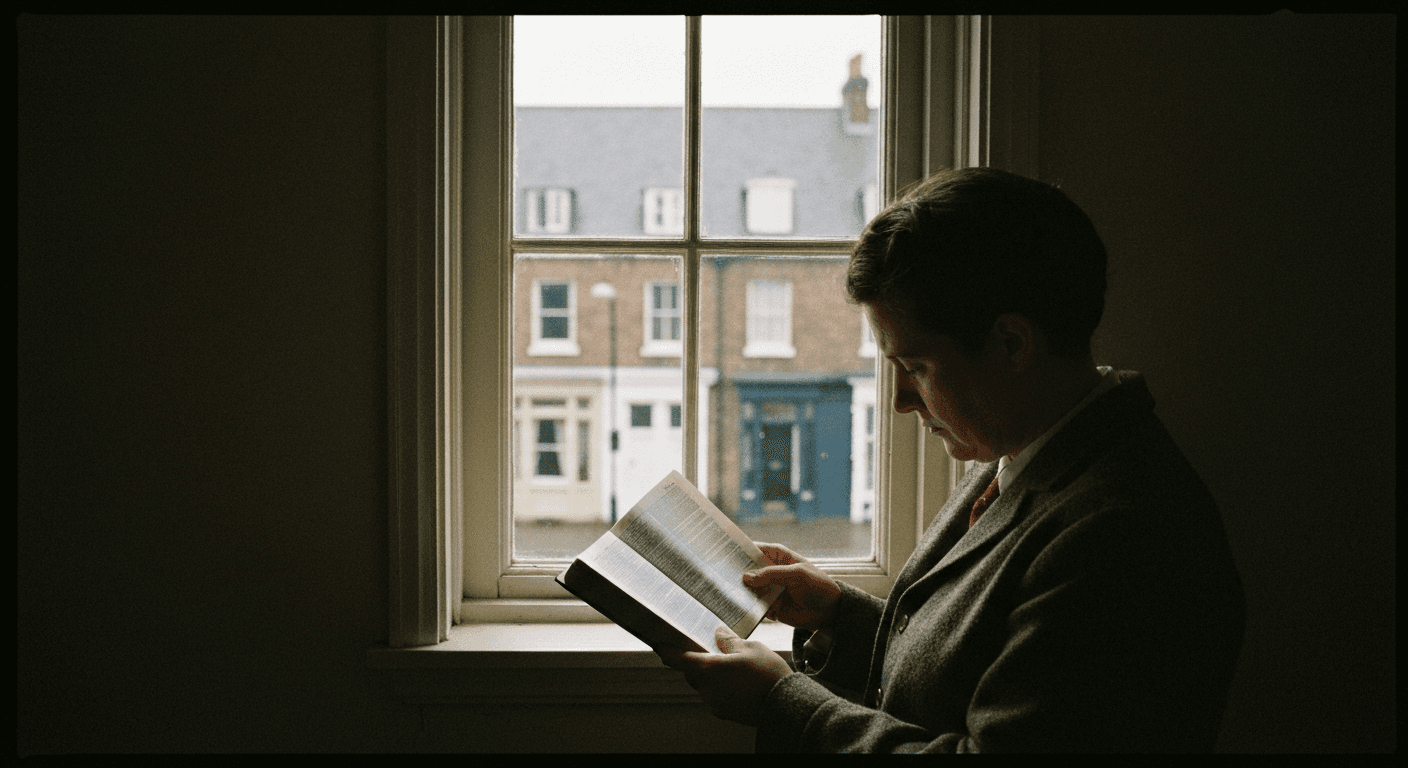
The turning point in Whitefield's life came when he read Henry Scougal's *The Life of God in the Soul of Man*. This book illuminated the necessity of a spiritual rebirth, revealing to him that no amount of good works could earn God's favor. Determined to pursue this new birth, Whitefield embarked on an intense journey of self-denial and prayer, which nearly deteriorated his health.
George Whitefield Conversion Experience
In the spring of 1735, after seven weeks of intense spiritual struggle, Whitefield experienced a profound transformation. He recounted how a 'ray of divine life' broke into his soul, enabling him to embrace Jesus Christ by faith. As he later described, 'Joy-joy unspeakable-joy that's full of, big with glory!' flooded his being as he was delivered from the burdens that had weighed him down.
A Ministry Transforms Nations
This encounter with Jesus changed everything. Whitefield's passion for the Bible grew, and he began to preach the necessity of being born anew, a message that became central to his ministry. He encouraged others, including his fellow Oxford students, to seek this transformative relationship with Christ. Despite initial fears, God empowered him to speak to large congregations, a testament to divine intervention in his life.
Whitefield's conversion did not just alter his life; it ignited a movement. His preaching contributed significantly to the Great Awakening, a revival that spread the gospel across continents. Whitefield's journey is a compelling reminder that true transformation comes not from human effort but through the grace and intervention of Jesus Christ.