From Marxist to Prisoner
Aleksandr Solzhenitsyn was born on December 11, 1918, in Kislovodsk, Russia, and raised in the Russian Orthodox faith. However, as a young man, he lost his faith, embracing Marxism-Leninism and atheism. His life took a dramatic turn in February 1945 when, as a captain in the Red Army, he was arrested for criticizing Joseph Stalin in private letters. This led to an eight-year sentence in the brutal Gulag labor camps, where he worked under harsh conditions in Ekibastuz, Kazakhstan.
Encountering Faith Behind Bars
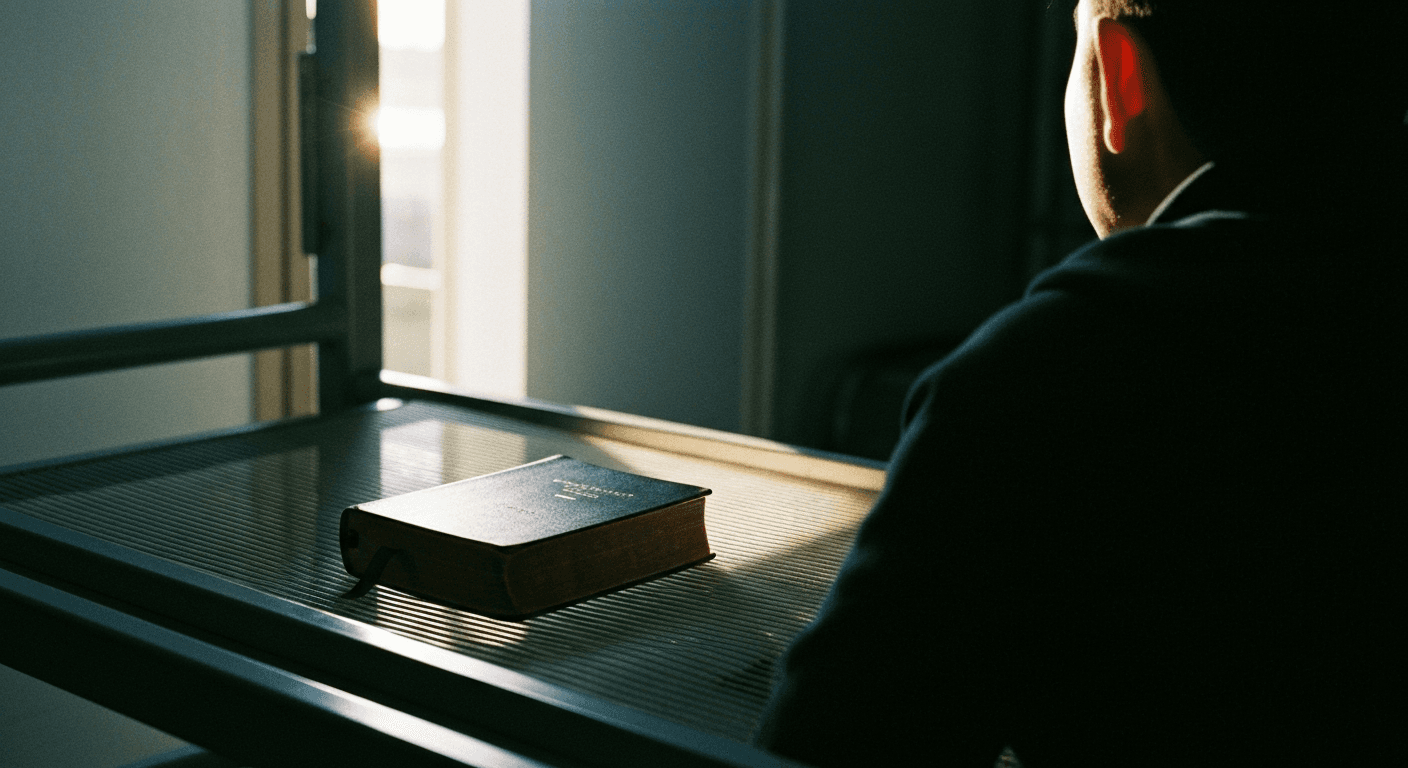
Initially, imprisonment deepened Solzhenitsyn's disillusionment with the Soviet regime. However, amidst the bleakness, he encountered fellow Russians who still believed in God, sparking a spiritual curiosity. Facing a grim diagnosis of cancer, Solzhenitsyn began to reflect deeply on his life, transgressions, and the fragility of human existence. It was during this time that he experienced a spiritual awakening, describing it as being 'hunted by the Almighty.'
In his writings, Solzhenitsyn expressed how this period of suffering led to a profound transformation, saying, 'When at the end of jail, on top of everything else, I was placed with cancer, then I was fully cleansed and came back to deep awareness of God and a deep understanding of life.' Through this spiritual journey, he embraced Christianity, finding strength and solace in prayer, which offered him a peace that the oppressive state could not take away.
A Voice for Truth Emerges
Released in 1953 after Stalin's death, Solzhenitsyn's faith became the foundation of his life and work. He famously wrote, 'I say without hesitation, bless you, prison, for having been in my life!' His newfound faith fueled his writings, including 'One Day in the Life of Ivan Denisovich' and 'The Gulag Archipelago,' which exposed the Soviet regime's brutalities. These works, and his courage to speak the truth, eventually led to his arrest and exile.
A Legacy of Faith Through Suffering
Even in exile, Solzhenitsyn continued to assert that his life's hardships had a purpose. He believed that forgetting God was the root cause of Russia's suffering and called for a return to moral and spiritual values. His journey from atheism to faith, from despair to redemption, stands as a testament to the power of God's grace to transform even the darkest situations.