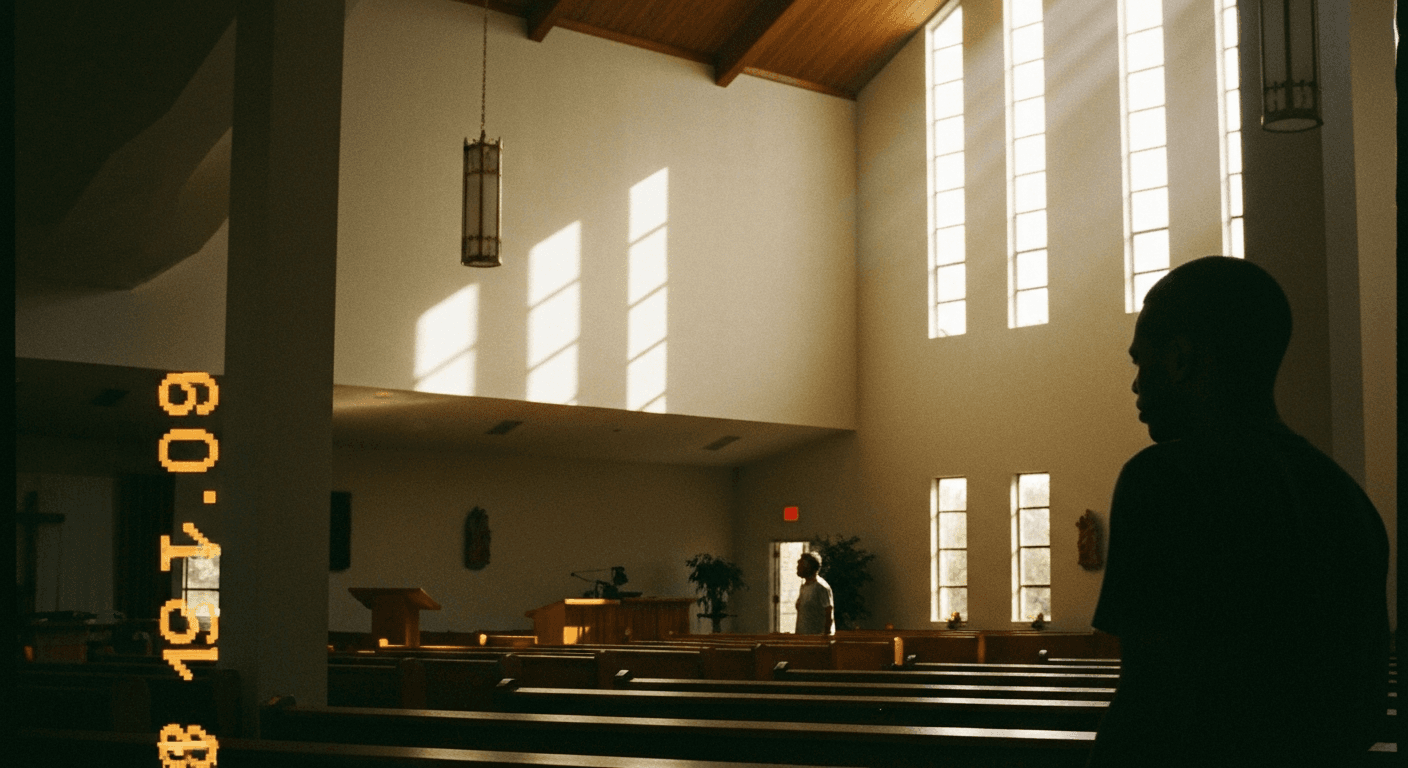
Across thousands of churches worldwide, something quiet and profound is happening. People who have carried anxiety, depression, and emotional pain for decades are sitting in prayer sessions — not therapy offices — and walking out free. The inner healing prayer movement is the church's response to trauma, and it is producing results that are forcing even sceptics to pay attention.
What Inner Healing Prayer Actually Is
Inner healing prayer is not counselling. It is not deliverance ministry. It is not wishful thinking. It is a structured, prayer-based approach to emotional and psychological wounds, rooted in the belief that Jesus can heal the mind and heart just as surely as He heals the body.
The approach varies by model, but the core is consistent. A trained prayer minister guides a person through memories, emotions, and beliefs — asking the Holy Spirit to reveal the root of pain and to bring the truth that sets free. The goal is not analysis but encounter: meeting Jesus in the place where the wound occurred.
Several established models have spread through global church networks. Bethel Church's Sozo ministry operates in thousands of churches across dozens of countries. Ellel Ministries, founded in the UK in 1986, runs healing centres on six continents. Restoring the Foundations, Theophostic Prayer Ministry, and numerous other approaches each bring their own framework but share the same conviction: lasting freedom comes through encounter with Jesus, not through managing symptoms.
The Evidence Is Hard to Dismiss
The inner healing prayer movement has historically been dismissed by both secular therapists and mainstream theologians. But the testimonies are piling up faster than the critics can explain away.
People with diagnosed PTSD — combat veterans, abuse survivors, accident victims — report that symptoms they carried for years lifted during a single prayer session. Anxiety disorders that survived medication, CBT, and years of talk therapy dissolved when a prayer minister asked the Holy Spirit to reveal the root lie the person believed about themselves.
Bethel's Sozo ministry has collected thousands of testimony forms. Ellel Ministries tracks outcomes across its programmes. While large-scale randomised trials are still lacking, the consistency and volume of reported outcomes has drawn the attention of researchers at institutions including Biola University and Regent University.
Why the Church Is Uniquely Positioned
Secular therapy is valuable. Medication is valuable. But neither addresses the spiritual dimension of human suffering — the lies people believe about their worth, their identity, and their God. Inner healing prayer goes to those places because it operates from a worldview that says human beings are body, soul, and spirit, and that healing must reach all three.
The church is uniquely positioned to offer this because it has something no clinic has: the presence of the Holy Spirit. Not as a metaphor. As the active, personal agent of God who knows every wound, every lie, and every moment of trauma — and who enters those places with truth and love.
From the Margins to the Mainstream
What was once considered fringe is becoming normal in many church streams. Anglican churches in the UK are training prayer ministry teams. Catholic charismatic renewal groups incorporate inner healing. Pentecostal megachurches in Africa, South America, and Asia run weekly Sozo sessions alongside their Sunday services.
The movement represents a fundamental shift in how the church understands its mandate. Salvation is not just about the afterlife. Healing is not just about the body. The church is learning that the gospel addresses the whole person — including the wounds that no one can see.