John Calvin, born in 1509 in Noyon, Picardy, France, is recognized as a pivotal figure in the Protestant Reformation. Known for his theological contributions, Calvin's journey of faith began with a profound conversion experience.
Catholic Devotion Brings Inner Turmoil
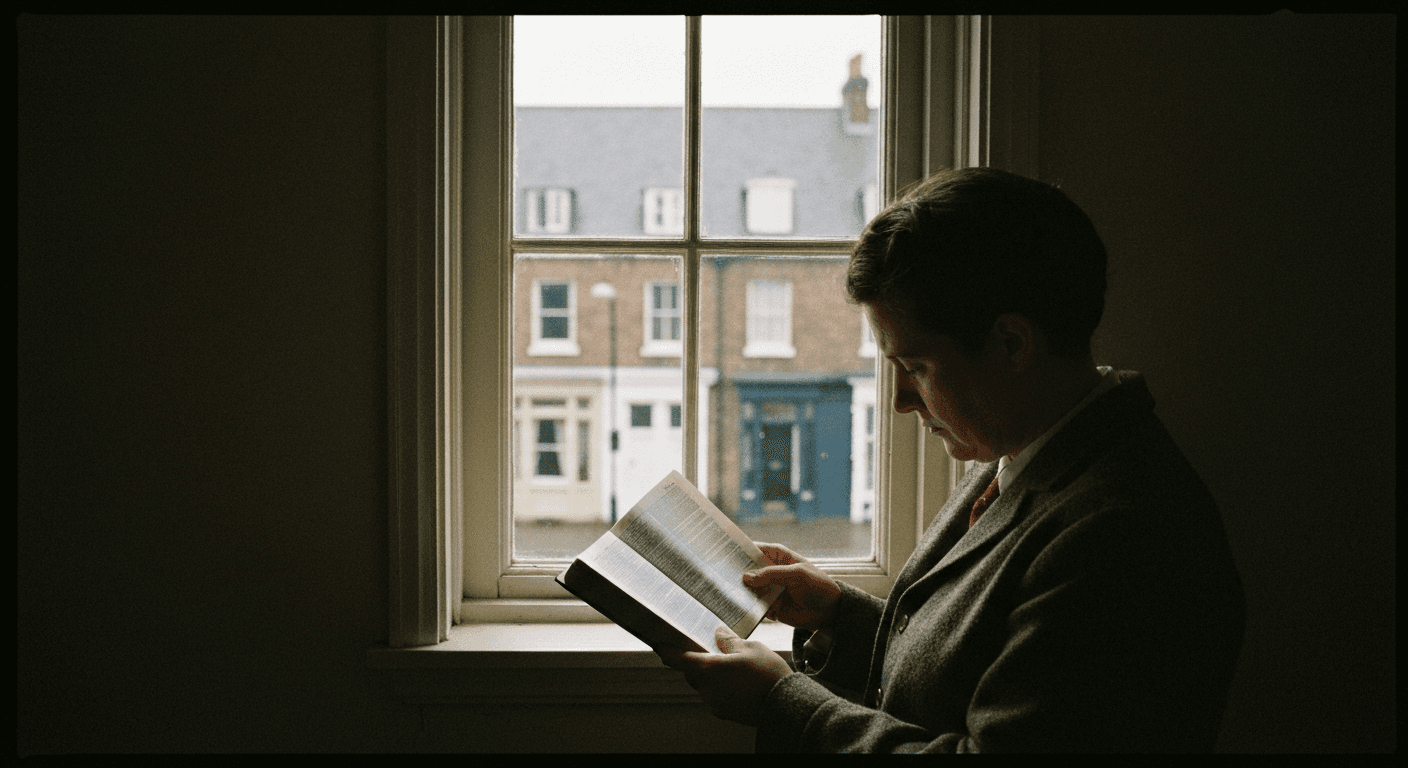
Initially devoted to the Roman Catholic Church, Calvin was immersed in its teachings and rituals. Despite his devout practices, he was plagued by inner turmoil and a restless conscience. Calvin himself wrote, 'Whenever I descended into myself, or raised my mind to you, extreme terror seized me—terror which no expiations nor satisfactions could cure.'
John Calvin's Sudden Conversion Experience
Between 1530 and 1533, Calvin experienced what he described as a 'sudden conversion.' God, in His grace, subdued Calvin's heart, making it open to the truth of the Gospel. He expressed this transformation, saying, 'God subdued my heart to docility, which had become hardened against the truth of the gospel.' This divine intervention shifted his life dramatically. No longer content with legal studies, Calvin turned his focus to theology, driven by an intense desire to learn and share his newfound faith.
Reformation Leader Emerges in Geneva
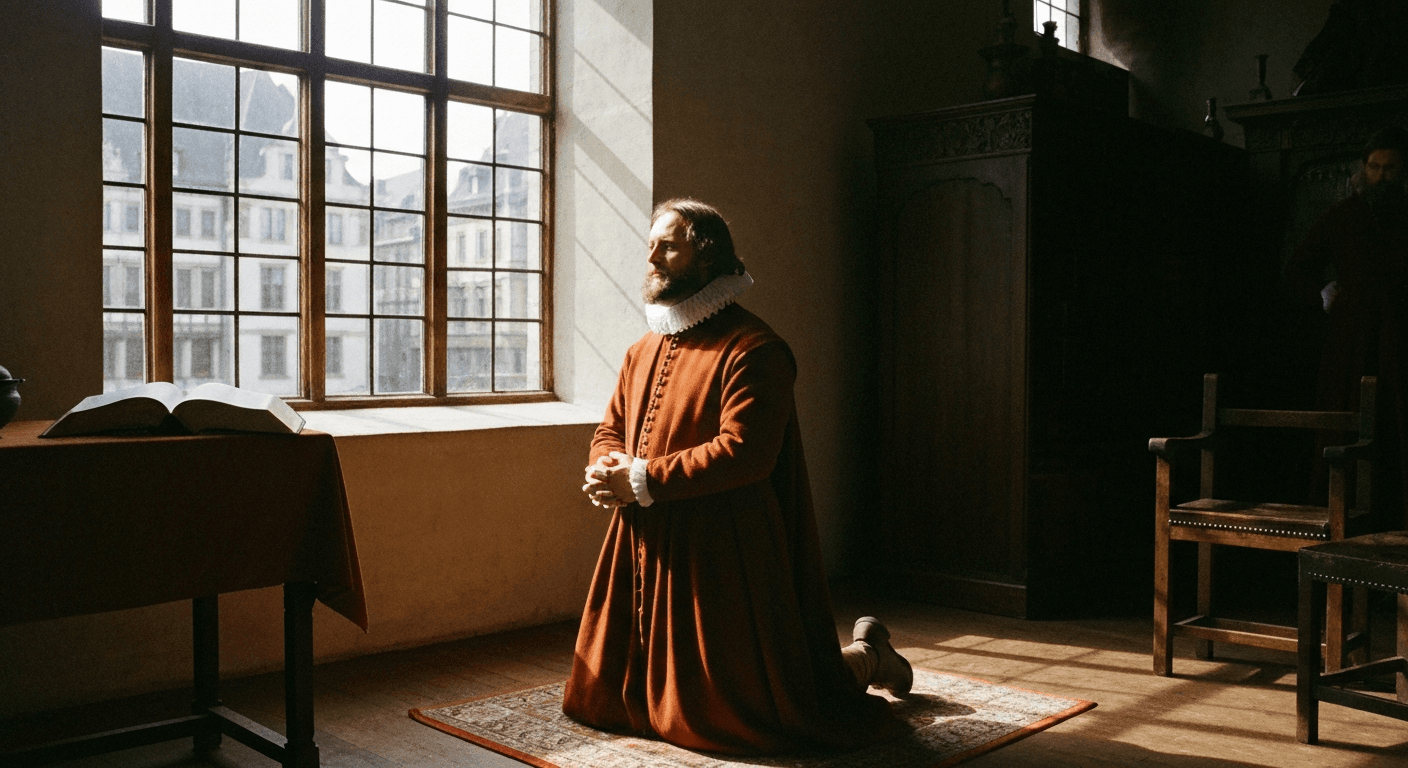
Following his conversion, Calvin broke from the Roman Catholic Church around 1530 and fled to Basel, Switzerland, to escape religious persecution in France. In 1536, he published the first edition of 'Institutes of the Christian Religion,' outlining his theological insights. Persuaded by William Farel, Calvin settled in Geneva, where he implemented church reforms and discipline, transforming the city into a center of Reformation thought.
Calvin's conversion demonstrates God's sovereignty and the transformative power of Scripture. His legacy is a testament to how a single conversion can influence the course of history. Calvin's life encourages us to seek a deep relationship with God, finding true peace and purpose through faith in Jesus Christ.