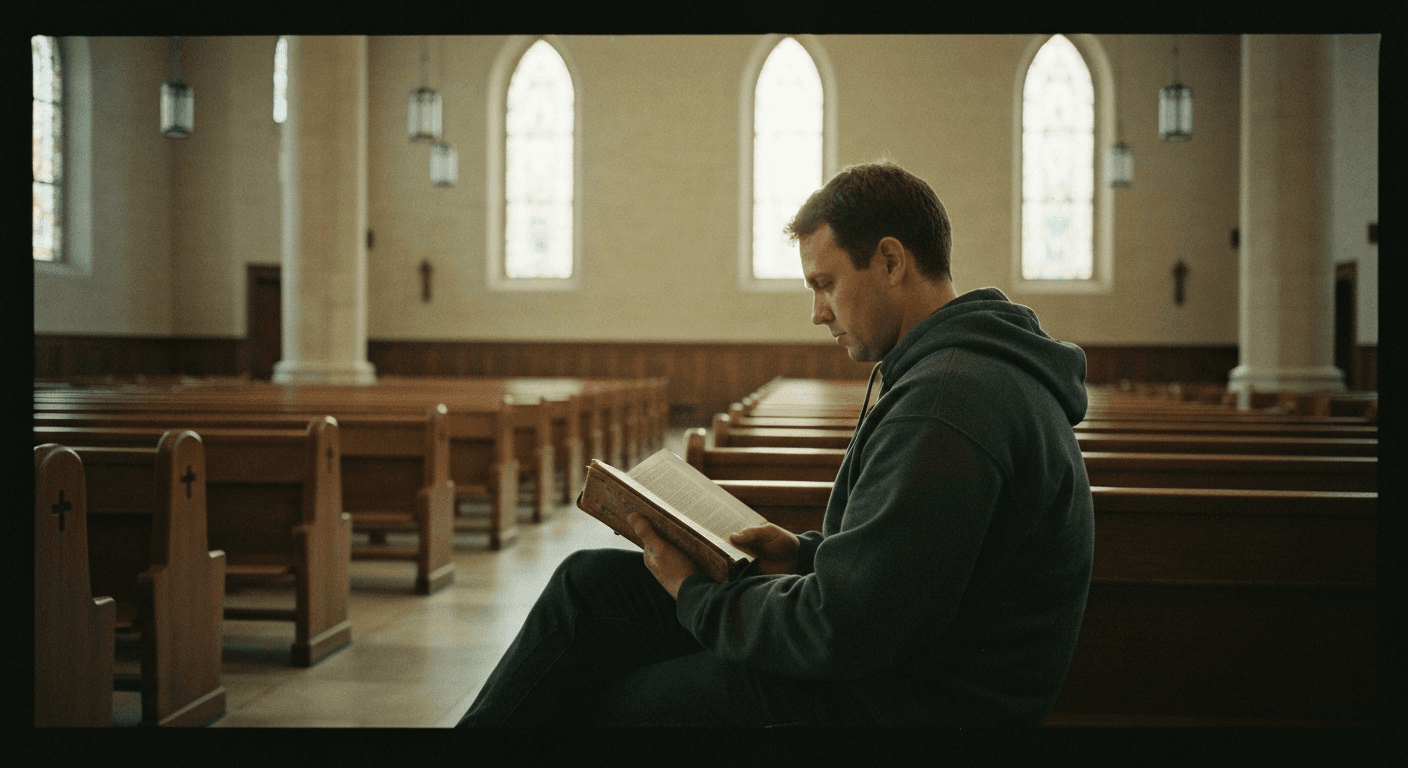
A Monk's Torment
In the early 1500s, Martin Luther, a monk at the Black Cloister in Wittenberg, wrestled with a relentless internal struggle. Despite his devotion to monastic life, Luther was tormented by the concept of 'the righteousness of God.' As he recounted, he 'hated that word' because he believed it represented God's justice that punished sinners. This belief left him feeling condemned and angry with God.
Searching the Scriptures
Luther's turmoil reached a peak as he studied the book of Romans, particularly Romans 1:17, which speaks of the righteousness of God being revealed through faith. Confused and desperate for understanding, Luther 'constantly badgered St. Paul' in search of clarity. He was a 'blameless monk,' yet he felt like a sinner with a troubled conscience, fearing he could never satisfy God's demands.
The Tower Experience
Then, in what Luther described as an act of 'the mercy of God,' a revelation struck him. He began to understand that the 'justice of God' was not about punishment but rather about the gift of righteousness given through faith in Jesus Christ. This moment, often referred to as his 'Tower Experience,' transformed his life. Luther felt 'born again' and likened the experience to entering 'paradise itself through open gates.'
A Reformation Ignited
This newfound understanding changed everything for Luther. The Scriptures became clear, and what he once hated, he now loved. God's righteousness, he realized, was a gift that brought liberation and peace, not condemnation. This revelation not only altered Luther's personal faith journey but also sparked the Reformation, reshaping Christian doctrine by emphasizing salvation through faith in Jesus.
Luther's experience is a powerful testament to how Jesus intervened and transformed his life, opening the gates of paradise through faith. This pivotal moment, marked by Luther's own words, gives glory to God, highlighting the profound impact of divine revelation.