Stolen from Home
Olaudah Equiano was born around 1745 in Essaka, Igboland, in present-day southern Nigeria. At the tender age of 11, he experienced the harrowing ordeal of being kidnapped and thrust into the brutal world of slavery. The horrors of the Middle Passage left an indelible mark on him. He described it as "a scene of horror almost inconceivable," where the cries of the suffering surrounded him and suffocation seemed imminent.
Seeds of Faith
Equiano's life took a pivotal turn when he was baptized at St Margaret's, Westminster, on February 9, 1759. This marked the beginning of his journey with God. "I began to raise my fear from man to him alone," he wrote, expressing a profound spiritual awakening. He sensed God's presence in his life, believing that God heard his prayers and planted seeds of faith within him.
Purchasing Freedom
In 1766, Equiano purchased his freedom, an event he described with deep gratitude: "I who had been a slave in the morning... was become my own master, and completely free." This newfound freedom fueled his passion for advocating against the horrors of slavery. Equiano's faith was unwavering, even amidst trials. He contemplated that "trials and disappointments" might be God's way of imparting wisdom and teaching him resilience.
A Voice Against Slavery
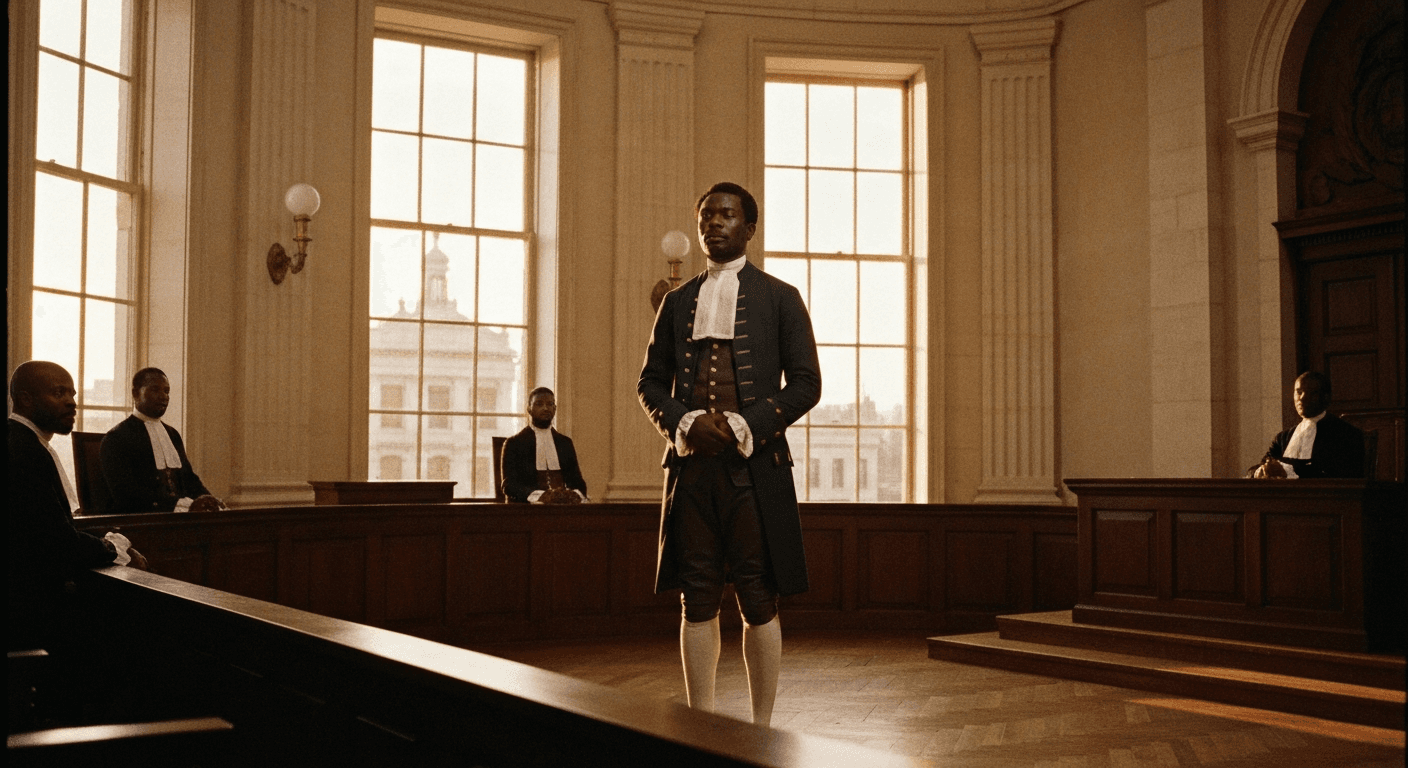
Equiano's voice became a powerful tool in the abolitionist movement. His autobiography, published in 1789, was instrumental in shedding light on the brutalities of the slave trade and advocating for its abolition. Equiano's faith and testimony were not just about personal liberation but a call for justice and humanity. He questioned, "Are they treated as men? Does not slavery itself depress the mind?" Olaudah Equiano passed away on March 31, 1797, in Westminster, London. His legacy, however, lives on, inspiring generations with a story of transformation, faith, and advocacy. Equiano's life is a testament to the divine intervention that guided him from bondage to a life of purpose, giving glory to God for his journey.