
Rooted in Hindu Tradition
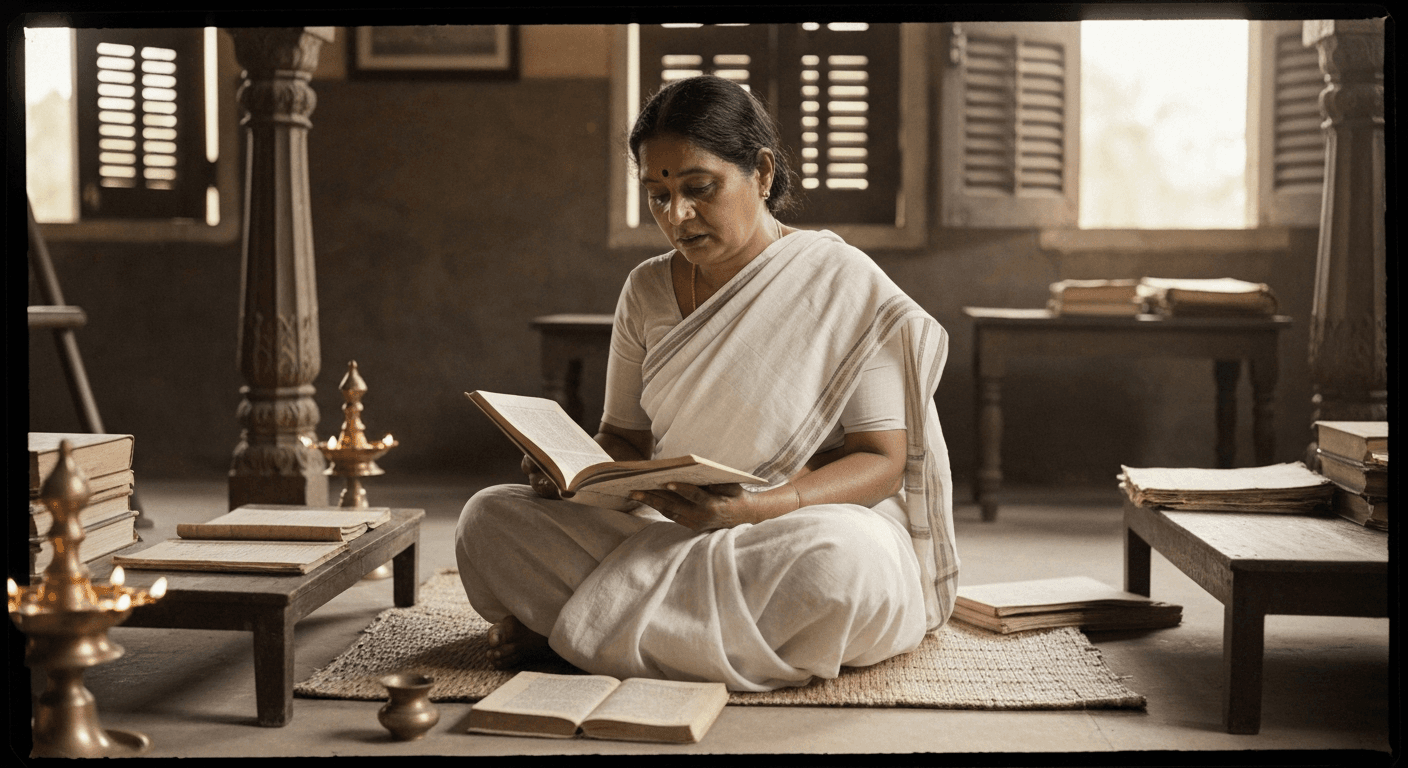
Born into an orthodox Brahmin family on April 23, 1858, in Karnataka, India, Pandita Ramabai grew up immersed in Hindu traditions. Her father, a Sanskrit scholar, taught her the scriptures, which was unusual for a woman of her time. However, a devastating famine in 1876 left her orphaned at the age of 16, challenging her faith in these traditional beliefs.
Encountering Christ
In 1883, while in England, Ramabai encountered the Christian faith. As she read the fourth chapter of St. John's Gospel, she realized, in her own words, "Christ was truly the Divine Saviour he claimed to be, and no one but He could transform and uplift the downtrodden women of India." This profound revelation led to her conversion to Christianity, marking a turning point in her life.
Empowering Women in India
Upon returning to India in 1889, Ramabai dedicated herself to the education and empowerment of women, particularly widows. She founded the Sharada Sadan in Bombay, a home for learning, providing education and vocational training. Later, she established the Mukti Mission near Pune, which became a refuge for thousands of destitute women and children during the 1896 famine.
Despite facing opposition from both Hindu conservatives and some Christian missionaries, Ramabai remained steadfast in her mission. She believed that "people must not only hear about the kingdom of God, but must see it in actual operation." Through her tireless efforts, countless lives were transformed, and Jesus' compassion and grace were made manifest.
A Testament to Faith in Action
Ramabai's deep commitment to God and her unwavering faith were evident throughout her life. She once said, "My soul doth magnify the LORD and my spirit hath rejoiced in GOD my SAVIOUR." Her life was a testament to the power of faith in action, as she demonstrated that a life surrendered to God could indeed bring light to those in darkness.


