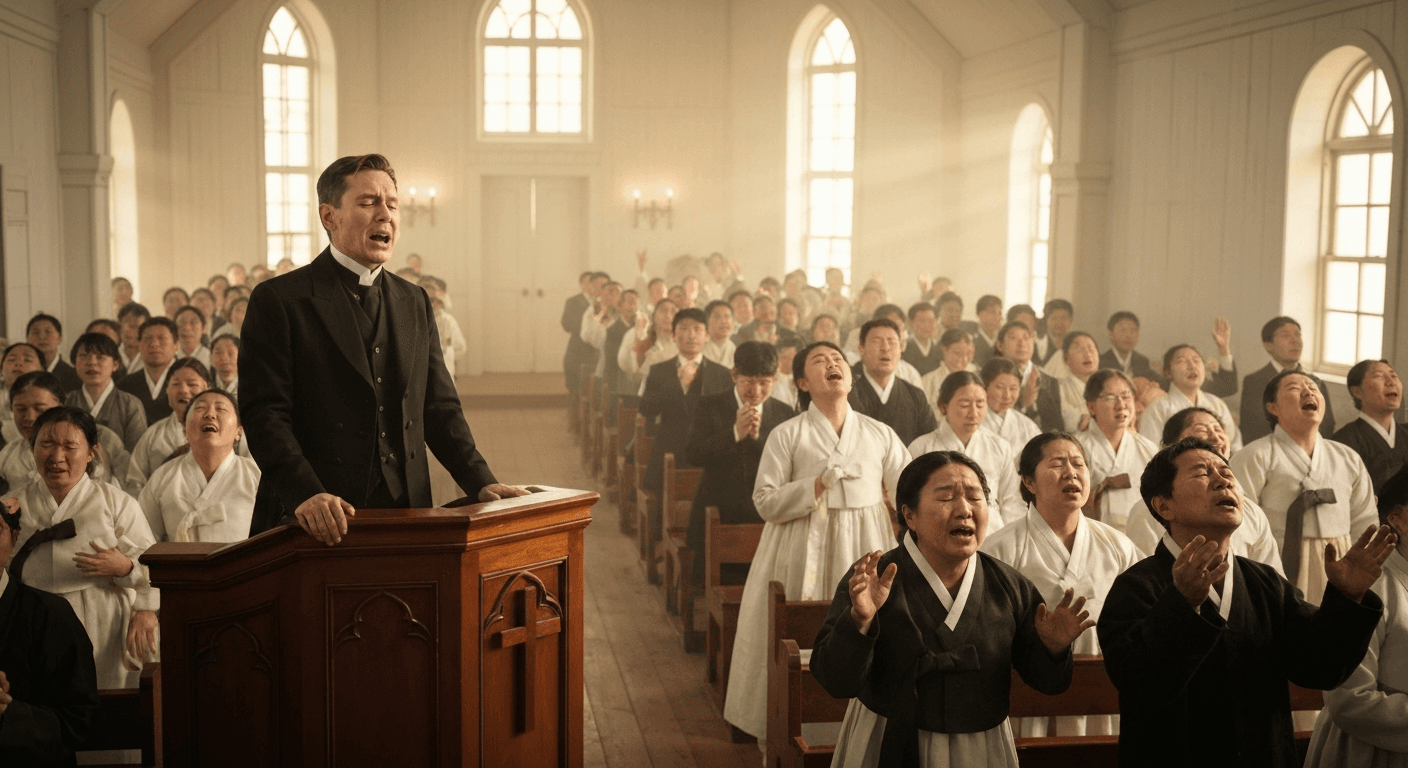
In the winter of 1907, the city of Pyongyang, now known as the capital of North Korea, became the epicenter of a profound spiritual awakening. Under Japanese occupation, the atmosphere was fraught with tension and despair, yet a spark of hope emerged among the Christian community. This hope was kindled by missionaries and Korean Christians who fervently gathered for prayer, driven by reports of revivals in distant lands such as Wales and India. Their prayers were fueled by a deep longing for transformation, not only in their personal lives but across their nation.
The 1907 Pyongyang Bible Study
On January 2, a two-week Bible study commenced, drawing believers and missionaries alike. Among them was William Blair, a Presbyterian missionary whose sermon on January 12 emphasized the interconnectedness of the Body of Christ. However, the following day, the atmosphere felt heavy, and the anticipated spiritual breakthrough seemed elusive.
God's Spirit Descends Like an Avalanche
On January 14, a pivotal moment unfolded. As missionaries gathered for prayer, Elder Kil Sun Joo stood up and confessed to misappropriating $100 from a deceased man's estate. His public admission of wrongdoing stirred the assembly deeply. As Blair later recounted, "It seemed as if the roof was lifted from the building and the Spirit of God came down from heaven in a mighty avalanche of power upon us." The confession ignited a wave of repentance, with attendees weeping, crying out for mercy, and seeking forgiveness.
A City and Nation Transformed
This divine encounter transformed Pyongyang. The revival saw individuals deeply convicted of their sins, leading to public confessions and restitutions. The Church grew exponentially; by March, 2,000 had turned to faith, and by July, this number swelled to 30,000. By 1912, Korea boasted approximately 300,000 believers. The revival's impact extended beyond spiritual renewal, catalyzing social change. Women gained greater status, educational opportunities flourished, and many felt called to become evangelists, spreading the message of Jesus far and wide.
The Lasting Legacy of Revival
The revival's legacy is evident even today. Pyongyang earned the moniker "Jerusalem of the East," and its influence reached beyond Korea's borders into China. Despite increased persecution, the Church continued to thrive, a testament to the enduring power of prayer and God's transformative grace.
